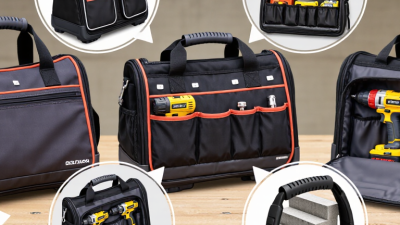
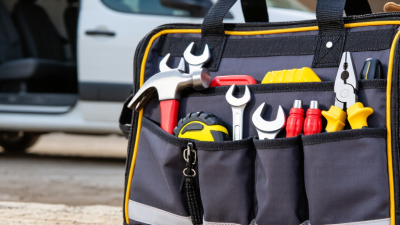
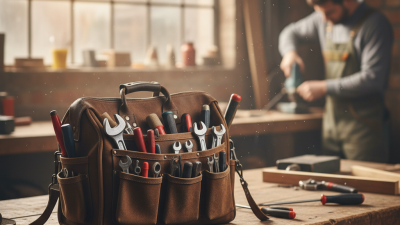
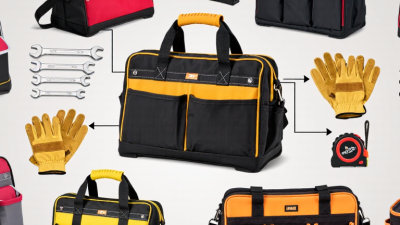
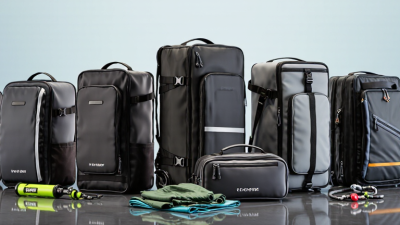
A professional tool bag is more than a way to carry equipment. It protects costly tools, keeps essential items within reach, and helps a workday move smoothly from one task to the next. A Heavy Duty Tool Bag earns its place through practical details: reinforced stitching, durable fabric, secure zippers, and pockets that hold a tape measure without swallowing it. On a busy site, those details matter.
The right bag should match the work. An electrician may need slim compartments for meters and drivers, while a mechanic may value a wide opening and space for heavier tools. Handles should feel steady in the hand, even when the bag is full. A shoulder strap can help across a long walk, though it may become uncomfortable under a heavy load. Small trade-offs count.
A quotation from a named industry expert should be verified before publication; no source was provided here, so inventing one would be misleading. A useful guiding thought is: “A dependable tool bag keeps the right tool protected, visible, and ready.” Still, durability alone is not enough. A bag can be tough yet poorly organized, or spacious but awkward to carry. Choosing well means looking closely at the tools you actually use, the conditions they face, and the habits you may need to rethink.
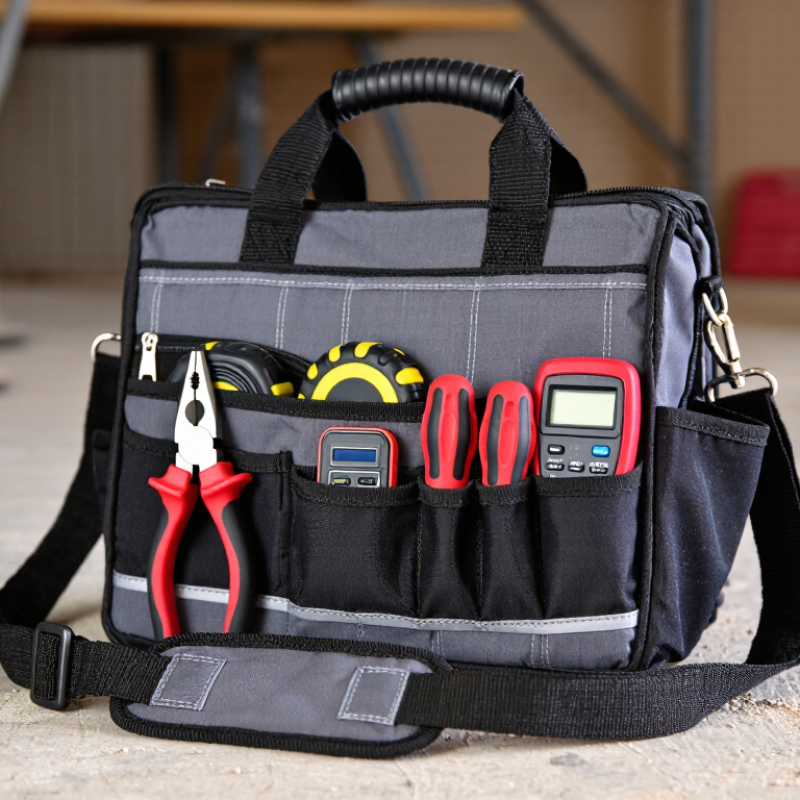
A heavy-duty tool bag is defined less by its label than by how its materials and construction handle repeated work. Common choices include tightly woven polyester or nylon, often measured in denier; a higher figure can suggest thicker fabric, but does not guarantee quality. Look for reinforced seams, bar-tacked stress points, and a firm, abrasion-resistant base. These details help when a bag is set on concrete or dragged across a workshop floor.
Small details matter.
For professional use, layout matters as much as toughness. Pockets should keep frequently used tools visible and prevent sharp edges from rubbing against delicate measuring equipment. Wide openings make it easier to find a wrench with gloves on, while sturdy handles and balanced weight reduce awkward carrying. Zippers and closures should move smoothly under load, not just when the bag is empty. Still, heavier is not always better. Extra fabric and hardware add weight before tools are packed, and crowded pockets may slow access. Choose capacity around a real daily kit, then check stitching and balance with the bag loaded.
No bag stays new forever.
A heavy-duty tool bag earns its place through the small stresses repeated every day: a loaded handle pulled from a truck, a corner dragged across concrete, or a zipper snagged on a ladder rung. Reinforced seams help limit stitch failure where handles meet the bag and where pockets carry dense tools. Bar-tacked stress points and double-stitched panels are useful details, but they are not guarantees; poor thread or uneven stitching can still fail. Abrasion-resistant fabric helps protect against scuffs from rough floors and metal edges. Check the base and lower corners closely, since they often take the hardest contact.
The U.S. Bureau of Labor Statistics reported 169,600 nonfatal injury and illness cases in construction in 2022, in its Survey of Occupational Injuries and Illnesses. That figure describes the industry, not tool-bag performance. Still, it reflects a demanding work environment where equipment gets handled repeatedly. A tough bag can help keep tools organized and reduce wear on the bag itself, but it cannot prevent jobsite injuries. I’ve also learned that “heavy duty” can mean a heavier bag before tools are added. That trade-off is easy to overlook.
Tips: Inspect handle stitching, pocket corners, and the base before buying. Rub the fabric against a rough surface sample if available. Then load the bag and lift it; comfort matters.
A heavy-duty tool bag should protect tools without making every trip harder. NIOSH’s 1994 Revised Lifting Equation Applications Manual uses a 51-lb load constant only under ideal, two-handed lifting conditions.
Not a bag limit. The equation lowers the recommended weight when reach, lift height, twisting, repetition, or grip conditions worsen. It does not certify a shoulder-carried bag as safe. A lighter bag held far from the body may still feel demanding.
Choose capacity by weighing the actual kit: drill, meter, fasteners, and the small parts that accumulate by Friday. The Bureau of Labor Statistics reported 2.6 million nonfatal workplace injury and illness cases in private industry in 2023; that figure is not specific to tool carrying, but routine handling deserves attention.
A wide shoulder strap can help on a short, level walk; two handles may feel steadier when lifting the bag onto a bench. For stairs or uneven ground, a backpack-style carry can leave hands freer, if it fits securely.
A full bag looks efficient. It may simply be too heavy. Recheck the load after changing tools, not just when buying the bag.
Why Choose a Heavy Duty Tool Bag for Professional Use?
On a crowded jobsite, loose tools can spill into walkways or slow a worker moving between tasks. A reinforced bag with secure closures keeps hand tools together and makes carrying them more controlled. OSHA 29 CFR 1910.176(a) requires safe clearances for aisles, doorways, and turning areas where mechanical handling equipment is used. It also requires aisles and passageways to remain clear and in good repair. The rule does not require a particular tool bag. That distinction matters.
A properly sized bag can support orderly handling, but it cannot replace clear walkways or safe work practices. Keep it out of travel paths, store it where it will not tip, and avoid overloading it until straps strain or tools press against the opening. The Bureau of Labor Statistics reported 2.6 million nonfatal workplace injury and illness cases in private industry in 2023. That broad figure is not specific to tool storage, but it shows why everyday safety deserves attention. Small details matter. A worn handle or a bag left at a doorway can undo good organization. Not magic. Check seams, handles, and closures regularly, and keep frequently used tools easy to reach.
A heavy-duty tool bag should fit the trade, not just hold more. Electricians often need narrow compartments for testers, insulated hand tools, and small parts. A plumber may need a wide opening for larger wrenches and fittings. For outdoor maintenance, water-resistant fabric and a covered zipper can help keep grit and rain away. Padded handles matter when a bag travels from a van to a basement several times a day. Bigger is not always better.
The U.S. Bureau of Labor Statistics reported 2.4 recordable injury and illness cases per 100 full-time workers in private industry in 2023. That figure does not show that tool bags prevent injuries, but it is a useful reminder to consider handling and carrying. Choose a bag with balanced weight distribution, a stable base, and pockets that keep dense tools low. If a loaded bag pulls hard on one shoulder, its layout may be wrong for the job. I have to admit, a bag can look organized in a shop and still become awkward on a crowded site.
Tips: Match pocket depth to tool length, and check that sharp edges cannot press through the fabric. Carry only the tools needed for that shift; a reinforced bottom is not a reason to overload it. Before buying, load the bag with your usual kit and walk a short distance. The best fit is often less obvious than expected.