
China Top 10 Bike Trunk Bag Manufacturers 2026
China Top 10 Bike Trunk Bag Manufacturers 2026 introduces leading Chinese suppliers serving commuters, touring cyclists, retailers, and outdoor brands. The selection focuses on practical manufacturing evidence, not attractive product photos alone. Each company is considered through product quality, production capacity, customization support, export experience, and communication reliability. A strong Bike Trunk Bag manufacturer should understand real cycling conditions, including rain, vibration, uneven roads, and repeated loading.
Detailed evaluation may include fabric density, seam construction, zipper performance, reflective panels, mounting systems, and internal reinforcement. A sample should survive more than a showroom inspection. It should remain stable beside a rear wheel, protect clothing from drizzle, and hold tools without losing its shape. Factory audits, quality-control procedures, material traceability, and relevant test reports also matter. These points help buyers compare suppliers with greater confidence.
No list is perfect. Supplier capabilities can change, and online information may be incomplete. Therefore, this guide treats rankings as a practical starting point rather than a final purchasing decision. Buyers should request current samples, review production records, confirm packaging details, and discuss minimum order quantities directly. Small differences can matter. A durable buckle, accurate stitching, or responsive after-sales support may decide whether a long-term partnership succeeds. This 2026 overview aims to provide balanced, experience-based direction while recognizing that every buyer has different performance, budget, and branding requirements.
Definition and Role of Bike Trunk Bags in Modern Cycling
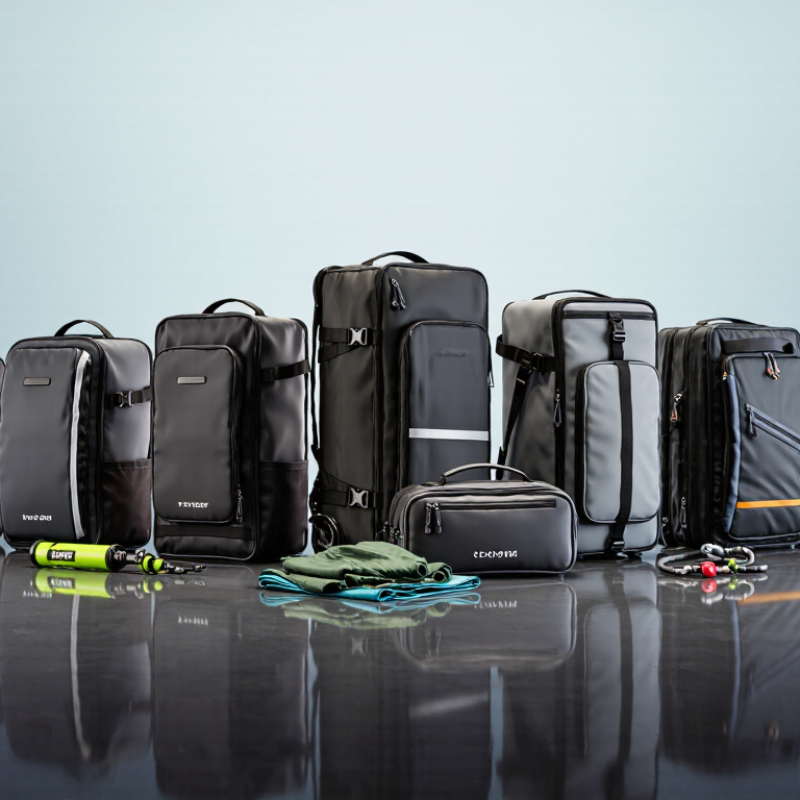
A bike trunk bag is a detachable storage case mounted above the rear wheel. It usually connects to a rack with straps, buckles, or quick-release hardware. Unlike a backpack, it keeps weight off the rider’s shoulders. Common contents include a repair kit, rain shell, lunch, and a small lock. In modern cycling, this bag turns limited frame space into practical carrying capacity. Its role is practical.
For commuters, stable storage helps protect work clothes and electronics from road spray. For touring riders, expandable compartments hold maps, tools, and spare layers. A well-designed bag should resist light rain, distribute weight evenly, and avoid heel contact. Reflective panels improve visibility during dim morning rides. I check zipper movement, rack compatibility, stitching, and base stiffness before recommending one. Small details matter. These features often matter more than attractive fabric.
Manufacturers in China increasingly balance material testing, efficient production, and flexible sizing for different rack systems. However, water resistance is not waterproofing. A sealed-looking zipper may still leak after hours of heavy rain. I have also seen bags become unstable when users overload rear pockets. That weakness is easy to overlook. Clear load limits and honest test information build greater trust between makers, sellers, and cyclists. Maybe future designs will reduce wobble without adding unnecessary weight.
China Top 10 Bike Trunk Bag Manufacturers 2026 - Definition and Role of Bike Trunk Bags in Modern Cycling
| Data Dimension | Typical Data or Definition | Role in Modern Cycling | Practical Selection Consideration |
|---|---|---|---|
| Product Definition | A bike trunk bag is a storage bag mounted on a rear rack or rear cargo platform, typically positioned above the back wheel. | Provides accessible storage without requiring a backpack, helping distribute cargo closer to the bicycle’s centerline. | Confirm that the bicycle has a compatible rear rack or mounting platform. |
| Common Capacity | Approximately 5–20 liters for compact trunk bags; expandable models may provide additional space through side panels or top compartments. | Supports commuting essentials, repair tools, clothing layers, food, and small personal items. | Choose capacity according to daily load; excessive volume can affect balance and rack stability. |
| Typical Dimensions | Many medium-sized models are approximately 30–45 cm long, 15–25 cm wide, and 15–25 cm high, although dimensions vary by design. | Offers a balance between usable storage and clearance around the rider’s legs, seatpost, and rear wheel. | Check rack width, saddle position, wheel clearance, and compatibility with rear lights or fenders. |
| Mounting Method | Common systems include hook-and-loop straps, buckles, webbing straps, quick-release plates, and rack-specific attachment hardware. | Determines installation speed, stability, and suitability for different bicycle rack structures. | For rough roads, prioritize secure multi-point attachment and limited lateral movement. |
| Main Materials | Frequently used materials include polyester, nylon, coated fabrics, mesh, foam padding, plastic reinforcement, and metal or polymer fittings. | Influences abrasion resistance, weight, flexibility, structure, and resistance to moisture. | Select fabric density, coating, and reinforcement according to weather exposure and riding frequency. |
| Weather Protection | Protection levels range from water-resistant fabric and covered zippers to taped seams, waterproof liners, and detachable rain covers. | Helps protect electronics, documents, clothing, and food during changing weather conditions. | Do not assume water resistance equals full waterproofing; review construction details and test standards. |
| Load Range | A compact trunk bag commonly carries several kilograms, but the safe working load is governed by the bag, attachment system, and rear rack rating. | Enables practical cargo carrying while reducing pressure on the rider’s shoulders and back. | Never exceed the lowest rated capacity among the bag, rack, mounting hardware, and bicycle frame. |
| Internal Organization | Typical features include a main compartment, zippered pockets, mesh sections, key clips, dividers, and padded sleeves. | Improves access, prevents small items from shifting, and separates fragile or frequently used equipment. | Prioritize compartments that match the intended cargo, such as tools, chargers, bottles, or commuting accessories. |
| Visibility and Safety | Reflective panels, reflective piping, bright colors, and rear-light attachment points are common visibility features. | Improves the rider’s visibility to other road users, especially in low-light conditions. | Ensure the bag does not block the bicycle’s rear light, reflector, license plate, or turn signals where applicable. |
| Primary Use Cases | Commuting, recreational rides, touring, grocery trips, fitness cycling, and short-distance utility transport. | Extends bicycle utility for everyday transportation and reduces dependence on motor vehicles for light cargo. | Match the bag’s structure and protection level to road conditions, trip duration, and cargo type. |
| Weight and Stability | Lightweight designs often use flexible fabrics, while structured designs add frames, padding, or reinforcement for shape retention. | A stable, centrally positioned load can improve handling compared with an unevenly loaded backpack or side bag. | Place heavier items low and near the center; check that the bag remains secure when the bicycle is turned or braked. |
| Maintenance Requirements | Routine care includes removing dirt, drying the bag naturally, checking straps and buckles, and lubricating or protecting zippers when appropriate. | Extends service life and helps preserve fabric coatings, attachment strength, and zipper performance. | Avoid harsh solvents, high heat, and machine washing unless specifically permitted by the care instructions. |
| Overall Selection Criteria | The key criteria are capacity, rack compatibility, attachment security, material durability, weather protection, visibility, weight, and organization. | Supports safer, more comfortable, and more efficient cargo transport across different cycling scenarios. | Evaluate the complete system rather than the bag alone, including the bicycle, rack, load, route, and weather conditions. |
Note: Specifications are general industry ranges and may vary according to product construction, intended use, and applicable safety requirements.
Related Posts
-
Best Cycling Storage Bag Options for 2026 How to Choose?
-
China Top Bike Rack Bag Manufacturers Wholesale Guide
-
Exploring Industry Trends for Bike Trunk Bag Innovations at the 138th Canton Fair 2025
-
Innovative Solutions with Best Durable Tool Bag Tackling Common Industry Challenges
-
Top 5 Music Stand Carrying Bags for Musicians in 2026?
-

2026 Top Medical Equipment Bag Innovations and Trends?