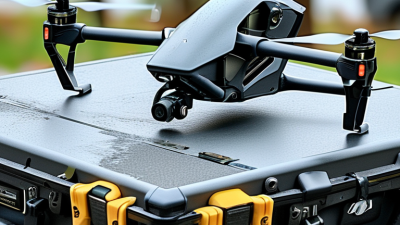
2026 How to Choose the Best Drone Carrying Case?
Choosing the right drone carrying case is essential for any drone enthusiast. A well-designed case protects your equipment from damage during transport. It safeguards your investment, ensuring your drone remains in top condition.
When selecting a drone carrying case, consider materials, size, and protection features. High-quality cases are often made from durable materials. They should offer proper padding to absorb shocks. A good case will have compartments for batteries and accessories.
Not all cases are created equal. Some may lack adequate space or protection. You might find yourself frustrated if your case doesn't fit your drone properly. Take your time to research options. Seek expert advice to make an informed choice. A careful decision will enhance your flying experience and keep your gear safe.
Understanding the Importance of a Drone Carrying Case
A drone carrying case is essential for any drone enthusiast. It protects your investment from damage. A good case keeps your drone safe during transport. Accidents can happen, whether you're traveling or storing it at home. A sturdy case also shields against dirt and moisture. These factors can significantly affect your drone's performance over time.
When choosing a case, consider the materials used. High-quality materials ensure durability. Look for cases with padding to absorb shocks. An ideal case should fit your drone snugly, preventing movement inside. It is surprising how many people overlook this detail. A loose fit can lead to scratches or damage.
Another important aspect is weight and portability. A case that is too heavy can be cumbersome. You'll want something that is easy to carry, especially on outdoor adventures. Yet, balance is key. A light case shouldn’t compromise protection. Reflect on your needs and usage. A thoughtful choice today can save you headaches in the future.
Key Features to Look for in a Drone Carrying Case
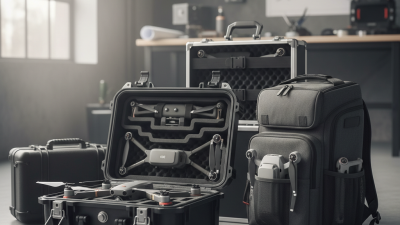
When selecting a drone carrying case, focus on durability. Look for materials like high-density foam or reinforced fabric. These materials can protect your drone against impacts during travel. Water-resistant cases can also offer extra protection from the elements. Consider how the case fits your specific drone model. A snug fit reduces movement and potential damage.
Interior organization is important. The case should have compartments or pockets for batteries, props, and remote controls. This keeps everything in order, ensuring you're ready for your flight. Think about portability too. Lightweight cases with comfortable handles or shoulder straps can make transport easier.
When choosing, remember to balance protection and weight. Sometimes, bulkier cases offer better protection but can be cumbersome. Reflect on your travel needs. If you just need a quick outing, a compact case might suffice. If you attend events or go on long trips, a more robust option could be necessary.
2026 How to Choose the Best Drone Carrying Case? - Key Features to Look for in a Drone Carrying Case
| Feature |
Description |
Importance |
| Material |
Durable materials such as hard plastic, fabric, or foam provide protection and longevity. |
High |
| Size |
The case should fit the drone snugly to prevent damage during transport. |
High |
| Weight |
Lightweight cases are easier to carry while still protecting the drone. |
Medium |
| Padding |
Adequate internal padding prevents impacts from damaging the drone. |
High |
| Water Resistance |
Waterproof cases keep the drone safe from water damage in various weather conditions. |
High |
| Storage Options |
Compartments for accessories like batteries, remotes, and props enhance organization. |
Medium |
| Portability |
Handles, straps, or wheels help with easy transport. |
High |
| Price |
Consider quality vs cost to ensure good value and protection for your investment. |
Medium |
Different Types of Drone Carrying Cases Available
When selecting a drone carrying case, understanding the different types available is crucial. Soft cases typically offer lightweight protection and are easy to carry. They’re ideal for casual users who want portability without sacrificing too much safety. However, they might not withstand heavy impacts or extreme weather.
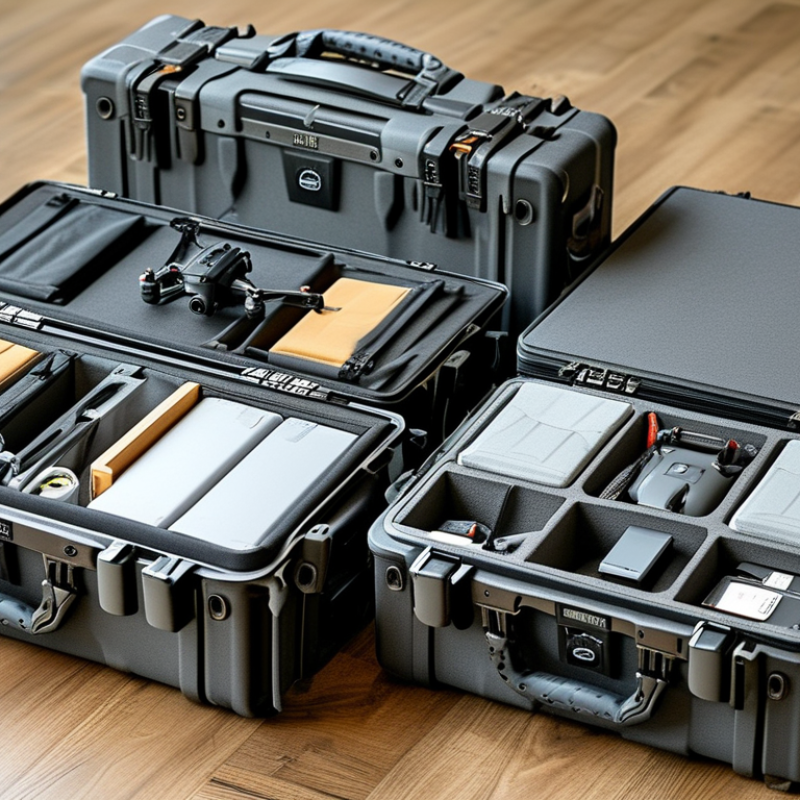
Hard cases, on the other hand, provide robust security for your drone. They safeguard against drops and crushes. These cases often feature foam padding to keep the drone secure and prevent damage during transport. While they are bulkier, they offer peace of mind for serious drone enthusiasts who travel frequently.
One important consideration is the size of the case. Ensure it fits your specific drone model snugly. A loose fit can lead to damage in transit. It’s also wise to pick a case with additional compartments for accessories like batteries and controllers.
Packing efficiently is essential. Keep smaller items organized within the case. Using protective materials can help cushion your drone further. Choosing the right case is more than just about aesthetics. The right protection can prolong the life of your drone and enhance your flying experience.
Factors Affecting the Selection of a Drone Case
Choosing the right drone carrying case is essential for protecting your equipment. Several factors can influence your selection. Understanding these details can help you make a more informed decision.
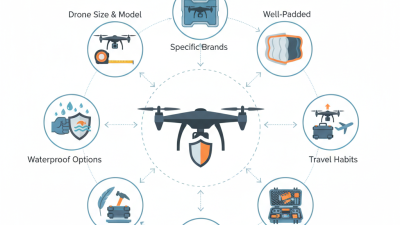
First, consider the size and weight of your drone. The case should fit snugly, limiting movement during transport. A case that's too large can lead to potential damage. Additionally, check the weight of the case itself; a heavy case may become cumbersome during travel, especially for long distances. Get a sense of your typical use cases and how much protection you need.
Material choice is also critical. Hard cases offer robust protection against impacts. Soft cases are lightweight and more portable but provide less protection. Weather resistance is important if you plan to use your drone outdoors often. Look for cases with padding and compartments for accessories.
To make the best choice, evaluate your needs. Match the case's features with your usage patterns. Regular users may require extra padding and protective elements. Casual users might prioritize portability and weight. Test the case if possible. Ensure it feels comfortable to carry and suits your style of travel.
Tips for Maintaining Your Drone Carrying Case
Maintaining your drone carrying case is crucial for long-term use. A well-cared case protects your valuable equipment from damage. Statistics indicate that nearly 30% of drone owners report issues due to poor case maintenance. Proper care helps you avoid such problems.
Regular cleaning is essential. Dust and dirt can accumulate, especially in outdoor environments. Clean your case with a damp cloth and mild soap. Avoid harsh chemicals that could degrade materials. Ensure that all zippers and straps function smoothly. Inspect for wear and tear regularly, as 15% of users experience case failures because of unnoticed damage.
Storage is equally important. Keep your carrying case in a cool, dry place. Extreme temperatures can harm the materials. Consider using desiccants to manage humidity inside the case. Remember, a well-maintained case prolongs its lifespan and keeps your drone safe.