Best Tips for Choosing the Right Drone Carrying Case?
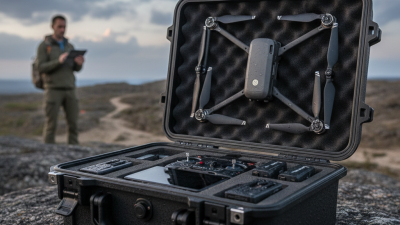
Choosing the right Drone Carrying Case is essential for protecting your investment. With countless options available, it can feel overwhelming. Each case varies in size, material, and functionality. A good case ensures your drone is safe during transport.
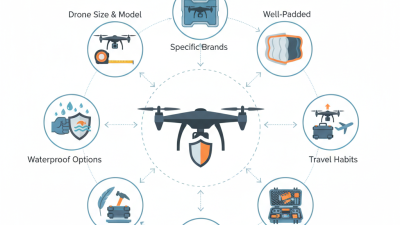
When selecting a case, consider what you need. Some cases offer hard exteriors, which provide strong protection. Others may be lightweight and flexible, catering to portability. Think about your specific drone model too. It needs a case that properly fits to avoid damage.
Also, consider how you will use it. Do you often travel? A case with wheels might suit you best. If you’re an outdoor enthusiast, look for rugged cases that can withstand the elements. Reflect on your choices, as the right Drone Carrying Case can make all the difference in your drone adventures.
Understanding the Importance of a Good Drone Carrying Case
When it comes to drone ownership, selecting a quality carrying case is crucial. A good carrying case serves as the first line of defense against environmental factors. According to a 2021 survey by the Drone Industry Association, nearly 60% of drone enthusiasts reported damage due to lack of protective storage.
Consider that drones, with their delicate components, are prone to wear and tear. A suitable carrying case can absorb shocks and prevent physical damage. For example, a hard-shell case can protect against drops and impacts. Furthermore, moisture-resistant materials help safeguard electronic parts from humidity and rain, significantly extending a drone's lifespan.
It's essential to choose a carrying case that fits both the drone and its accessories snugly. A well-fitted case reduces movement during transport, minimizing the risk of damage. Opting for padded interior sections can also provide extra cushioning. Many users overlook the importance of portability features, like handles or wheels, which can greatly enhance transport convenience.
Best Tips for Choosing the Right Drone Carrying Case
| Feature |
Importance |
Tips |
| Material Quality |
Durability and Protection |
Choose high-quality materials like nylon or hard-shell for better protection. |
| Padding |
Shock Absorption |
Look for cases with adequate padding to cushion impacts. |
| Size and Fit |
Storage Efficiency |
Make sure the case fits your drone perfectly to avoid movement inside. |
| Water Resistance |
Weather Protection |
Select a waterproof case if you plan to use the drone in various environments. |
| Weight |
Portability |
Opt for a lightweight case to ease transport without sacrificing protection. |
| Price |
Value for Money |
Compare features and prices to ensure you get the best deal for your needs. |
Key Features to Consider in a Quality Drone Carrying Case
When selecting a drone carrying case, several key features come into play. First, assess the material used in the case. High-density foam is essential for protecting your drone from impact. Cases made from water-resistant fabrics offer extra security against moisture. Look for cases with durable zippers and reinforced stitching. A solid case will endure the wear of travel.
Additionally, check the internal layout. Customizable compartments help secure your drone and its accessories. Consider how many batteries and additional items you plan to carry. Cases with specific slots or removable dividers offer flexibility. This arrangement helps prevent unnecessary movement during transit. A lightweight design also matters; it makes carrying easier.
Reflect on the case's size. A case that is too large can feel bulky. Yet, a case that is too small may not fit your equipment. Finding the right balance is crucial. Finally, ensure the case has comfortable handles or straps. This aspect enhances portability while reducing strain. A good case should feel intuitive and fit seamlessly into your traveling routine.
Analyzing Material Types: Hard Cases vs. Soft Cases for Drones
When selecting a drone carrying case, material type plays a crucial role. Hard cases and soft cases each have unique benefits and drawbacks.
Hard cases are typically more robust. They provide superior protection against impact and environmental factors. If you’re frequently traveling to rugged locations, this may be the way to go. However, they can be bulkier and heavier, making transport cumbersome.
Soft cases, on the other hand, are lightweight and often easier to carry.
They offer a level of protection, but may not withstand extreme conditions as well. If your drone activities are mainly casual, a soft case might suffice. Consider your specific needs before making a decision.
Tip: Always check padding and interior compartments. A well-designed interior can enhance safety for your drone. Reflect on how you plan to use the case, as this influences your choice. Think about where you will carry your drone. Sometimes, choosing based on looks rather than functionality can lead to regret later.
Size and Fit: How to Choose the Right Dimensions for Your Drone Case
Choosing the right dimensions for your drone carrying case is crucial. The case should fit your drone snugly, ensuring it doesn’t move around during transport. Measure your drone’s width, length, and height. Don’t forget to include additional accessories like propellers and batteries. Aim for a case that has extra padding to protect against impacts.
Consider weight when selecting a carrying case. A lightweight case makes transport easier, especially during long excursions. However, ensure the case's material is durable. Cheap cases may break and lead to damage. Also, think about the shape of your drone. Unique designs may require customized cases. Standard cases may not offer adequate protection.
Remember, not every case fits all. A too-small case can crush your drone, while a too-large case may allow excessive movement. Look for cases that offer customizable compartments for an ideal fit. Reflect on your typical travel conditions. If you often hike, a compact case is more beneficial. Prioritize your drone’s safety while balancing convenience.
Cost vs. Quality: Budgeting for the Best Drone Carrying Case
When selecting the right drone carrying case, balancing cost and quality is crucial. Industry reports indicate that a significant number of consumers prioritize cost, with surveys revealing that nearly 70% of buyers set specific budgets before exploring options. However, opting for a cheaper case may not offer adequate protection. A study by the Drone User Association highlights that 55% of drone damages occur during transport. This statistic stresses the importance of quality in choosing your carrying case.
Investing a bit more can safeguard your equipment from wear and tear. Mid-range cases often provide better padding and weather resistance. Data shows that cases priced between $50-$150 tend to perform better in protecting drones compared to budget alternatives. The warranty offered by reputable manufacturers also indicates reliability. Yet, some users might not reflect on the total cost of ownership, focusing only on upfront prices.
Understanding that a higher initial cost can translate into savings down the road is essential. If a drone is damaged frequently due to a flimsy case, repair costs can skyrocket. It's vital to consider these aspects when budgeting for a carrying case. An informed choice can ensure your drone remains intact for a longer lifespan.
Best Tips for Choosing the Right Drone Carrying Case
This chart illustrates the cost versus quality ratings of different categories of drone carrying cases. Budget options are often less expensive but provide lower quality, while premium cases offer the highest quality and durability, reflected in higher price points.