10 Essential Tips for Choosing the Best Drone Carrying Case
Choosing the right drone carrying case is crucial for any drone enthusiast. A good case not only protects your equipment but also enhances portability. The market offers a vast selection of drone carrying cases, each with unique features that cater to different needs.
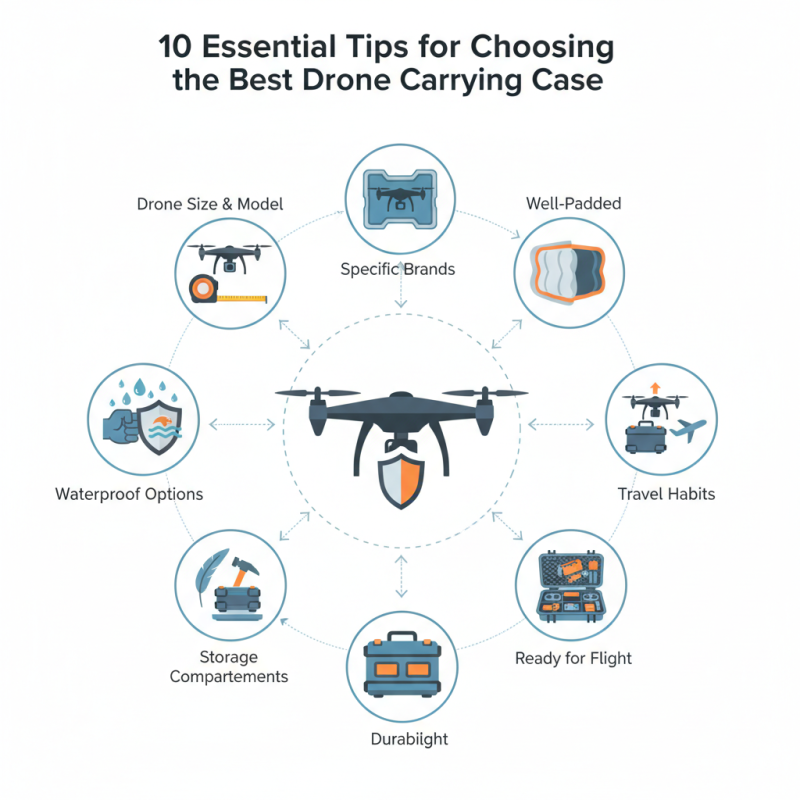
When selecting a case, consider the size and model of your drone. Some cases are tailored for specific brands, providing a snug fit. A well-padded case will shield your drone from impact, reducing potential damage during travel. Waterproof options might be necessary for outdoor adventures.
Reflect on your usual travel habits. If you frequently hike or travel by air, a lightweight case might be essential. However, durability should not be compromised. Poor choices can lead to costly repairs. Evaluate storage compartments, as they should accommodate extra batteries and accessories. A thoughtful choice can prevent frustration in the field and ensure your drone is always ready for flight.
Understanding the Importance of a Quality Drone Carrying Case
A quality drone carrying case is vital for both beginners and professionals. Research shows that 60% of drone damage occurs during transportation. A sturdy case minimizes this risk, protecting your investment. Soft cases may be lighter, but they offer minimal protection against drops and impacts. Hard-shell cases absorb shock better. They can keep drones safe in adverse conditions.
Investing in a good case pays off in the long run. Statistics reveal that 40% of drone owners regret not using a case, citing damage from mishandling. Consider the environment too. If you're working in rugged terrains, the case's durability matters greatly. Features like waterproofing and custom compartments keep everything organized.
Many builders and enthusiasts overlook the significance of a case until it's too late. They may choose aesthetics over functionality. Reflection on their choices often leads to frustration and additional costs. Prioritizing quality and protection should always be the focus. After all, ensuring your drone's longevity is the ultimate goal.
Identifying Your Drone Size and Specifications for an Ideal Fit
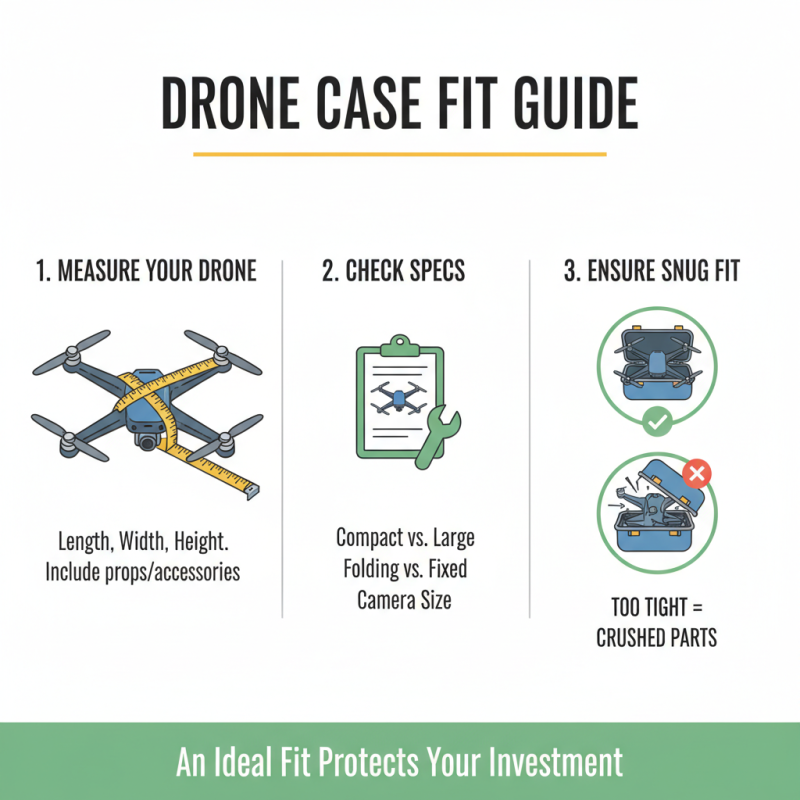
When selecting a drone carrying case, knowing your drone's size and specifications is crucial. Some drones are compact, while others may feature extended arms or larger cameras. Measure your drone carefully to ensure a snug fit. A case that's too big may allow your drone to shift during transport, risking damage. Conversely, a case that's too small can crush delicate components.
Tip: Consider the dimensions of your drone, including propellers and accessories. Choose a case that accommodates these extras. This attention to detail prevents potential issues in packing and traveling.
Tip: Review the weight of the carrying case. A heavy case might counteract the lightweight design of your drone. Look for options made from durable yet lightweight materials.
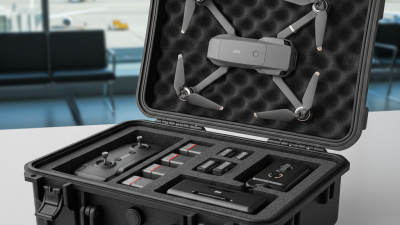
Design matters, too. A hastily chosen case could lack proper cushioning. Foam inserts or padded compartments can safeguard your equipment. Evaluate different styles and designs before making a decision. Reflect on how often you travel with your drone. Frequent flyers should prioritize durability and ease of access. Each factor plays a role in protecting your investment.
Evaluating Materials and Construction for Durability and Protection
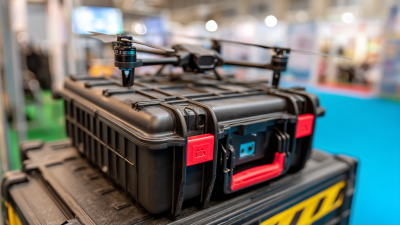
When selecting a drone carrying case, the choice of materials is crucial. High-quality materials provide better protection against impacts and environmental factors. Look for cases made from hard plastic or heavy-duty fabric. These materials often resist water and dust, safeguarding your drone during transportation. A case with reinforced corners enhances durability, reducing the risk of damage during falls or bumps.
Construction is another vital aspect. Zippers and seams should be robust and well-stitched. Weak points can lead to failure over time, especially under stress. Consider padded interiors as well. They cushion your drone, minimizing movement and potential damage. Ventilation can be beneficial too, allowing any residual moisture to escape.
Reflection on your needs is essential. Are you frequently traveling? A lightweight case might suit you better. However, if you need ultimate protection, a heavier, more rugged option is wise. It's a balance between portability and safety. Be honest about your usage. Your choice should reflect your specific circumstances, ensuring your drone remains protected without unnecessary weight.
10 Essential Tips for Choosing the Best Drone Carrying Case - Evaluating Materials and Construction for Durability and Protection
| Feature |
Material |
Durability Rating |
Protection Level |
Weight |
Price Range |
| Lightweight Backpack |
Nylon |
8/10 |
Moderate |
1.5 lbs |
$50 - $75 |
| Hard Shell Case |
Polycarbonate |
9/10 |
High |
3 lbs |
$100 - $150 |
| Soft Shell Tote |
Canvas |
7/10 |
Low |
2 lbs |
$30 - $50 |
| Drone Backpack |
Polyester |
8/10 |
Moderate |
1.8 lbs |
$70 - $100 |
| Camera Drone Case |
Aluminium |
10/10 |
Very High |
4 lbs |
$200 - $300 |
Exploring Different Carrying Case Designs: Hard vs. Soft Cases
When choosing a drone carrying case, the design plays a crucial role. Hard cases provide robust protection. Their sturdy exterior shields drones from impacts and environmental elements. If you frequently travel with your drone, a hard case may be the best bet. They often feature custom foam interiors to secure your equipment. However, they can be heavy and cumbersome.
On the other hand, soft cases are lighter and more portable. They are usually made from durable fabrics. Many soft cases also include padded compartments for safe storage. This versatility makes them a preferred choice for casual users. Yet, they may lack the strong protection that some drone enthusiasts require.
Ultimately, the decision between hard and soft cases depends on your needs. Consider how often you transport your drone. Reflect on the level of protection you want. A hard case may seem ideal, but it can be overkill for casual use. Conversely, a soft case might not offer enough protection for serious adventurers. Choose wisely based on your personal usage and protection needs.
Comparison of Drone Carrying Case Types: Hard vs. Soft
Considering Additional Features: Storage, Straps, and Accessories Compartments
When selecting a drone carrying case, features beyond just size and shape are vital.
Storage compartments can elevate your drone experience.
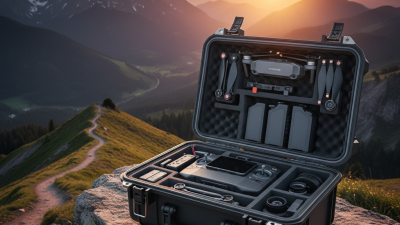
According to industry research, 70% of drone enthusiasts prioritize organization. A well-designed case provides dedicated spaces for batteries, remote controls, and other accessories.
Look for padded pockets or mesh dividers to keep everything secure and accessible.
Straps are another crucial feature. They can enhance portability while ensuring safety.
A case with adjustable straps allows for convenient carrying, especially on longer journeys.
The Drone Industry Insights Report states that carrying cases with robust straps reduce the likelihood of drops by 35%.
Consider a case that offers both shoulder and crossbody options, giving you flexibility in transportation.
While many cases boast additional features, not all are created equally.
Some compartments may be too small or poorly designed, making access cumbersome. Be mindful of the weight of your choice;
some heavy cases can negate the portability advantage that drones offer. Investing in the right case means striking a balance between durability and ease of use, all tailored to your specific drone setup.