Why Do You Need a Cable Storage Bag?
A desk often collects more cables than its owner expects. A phone charger sits beside a laptop cord, earbuds, a power bank, and a small adapter. In a backpack, these items can knot together or disappear beneath notebooks. At home, they may spread across a drawer. The mess is familiar, but it can waste time and make useful accessories harder to protect.
A Cable Storage Bag gives these small essentials a dedicated place. Separate pockets or elastic loops can keep cords apart, while a padded design may help shield delicate accessories from bumps. Some bags also make travel packing easier by keeping chargers together in one visible kit. That saves a little searching. It can also reduce the chance of leaving a cable behind. Still, a bag is not magic. An oversized case may take up more room than the accessories themselves, and too many compartments can feel unnecessary. The right choice depends on what you carry, how often you travel, and whether you need quick access or extra protection. A few practical details matter: the bag’s size, closure, pocket layout, and material. This guide explores why cable storage matters, which everyday problems a storage bag can solve, and what to consider before choosing one. Small change, less clutter. It is worth asking, though, whether every cable needs its own place.
What a Cable Storage Bag Is
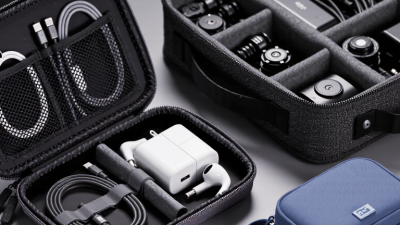
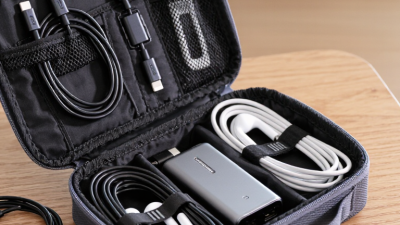
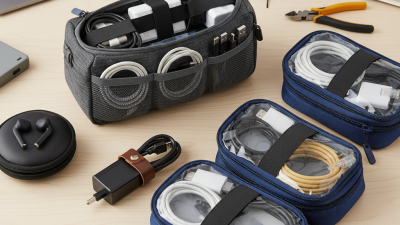
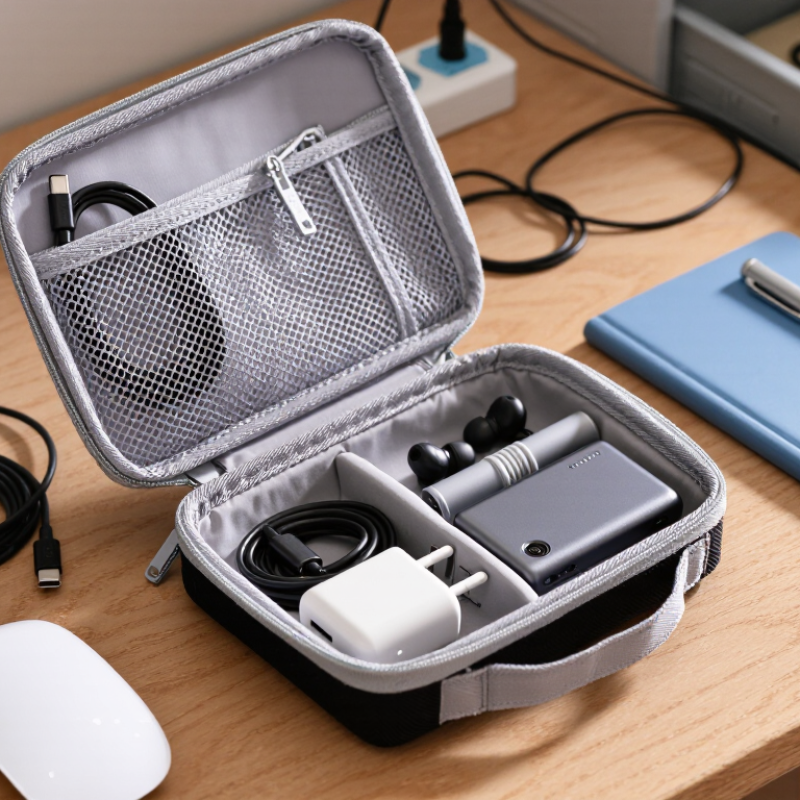
A cable storage bag is a portable organizer for charging cords, adapters, earbuds, and other small electronic accessories. It usually has a zippered shell and several pockets, elastic loops, or dividers. These features keep items from sliding together inside a backpack, desk drawer, or suitcase. Some bags are flat and lightweight; others have padded walls and more room for chargers.
The purpose is simple: make small accessories easier to find and less likely to tangle. A short cable can sit in an elastic loop, while a wall adapter fits in a mesh pocket. A separate compartment may hold a memory card or USB drive. The bag does not supply power or repair damaged cords. It only stores them. A little order helps.
When choosing one, compare its inner dimensions with the items you actually carry. A bulky adapter may take more space than its photo suggests, and tight loops can bend a cable sharply. I would leave a little room rather than pack every pocket full. That detail is easy to overlook. A cable bag can also become a catch-all, so check it now and then and remove what you no longer need. It is useful, not perfect.
Problems Caused by Unorganized Cables
Unorganized cables create more than visual clutter. A charging lead can catch a shoe, tug a device off a desk, or disappear behind furniture. Small mess. Real risk. The National Fire Protection Association’s Home Electrical Fires report estimates an annual average of 32,000 U.S. home fires involving electrical distribution or lighting equipment from 2015 to 2019. That category is broader than loose cables, so it is not a cable-clutter count. Still, damaged cords buried in a drawer can be harder to notice and inspect.
Trip hazards matter, too. The U.S. Bureau of Labor Statistics reported 450,540 workplace cases involving days away, restricted work, or job transfer after falls, slips, and trips in 2023. Those figures do not single out cables, but they show why a lead stretched across a walking route deserves attention. A storage bag keeps spare chargers and adapters together, instead of tangled around chair legs or mixed with keys. Labeling each cord can also save time when a device needs charging. A bag cannot repair frayed insulation or make an overloaded outlet safe. I sometimes underestimate how quickly one “temporary” cable becomes part of the floor. Keeping it contained is a practical start.
Why Do You Need a Cable Storage Bag? - Problems Caused by Unorganized Cables
| Cable Organization Problem |
What Can Happen |
How a Storage Bag Helps |
| Cables become tangled in a drawer or bag |
Finding and separating the cable you need can take extra time. |
Keeps cables together and makes them easier to sort and retrieve. |
| Connectors are mixed together |
It may be difficult to identify the right charging or data cable at a glance. |
Separate pockets or labeled sections can help group cables by type or use. |
| Cables are left loose during travel |
They can shift around and become tangled with other items in luggage. |
Provides a dedicated place to keep accessories contained while packing. |
| Cables are bent sharply or pulled from a tangle |
Repeated rough handling can put unnecessary strain on cables and connectors. |
Organized storage encourages neater coiling and reduces knotting during handling. |
| Small adapters and accessories are stored separately |
Small items can be misplaced or separated from the cables they belong with. |
Compartments can keep adapters, earbuds, and short cables in one place. |
| Cables are stored without a consistent system |
It is harder to check what you have or notice when an accessory is missing. |
A single storage location makes everyday organization and quick checks easier. |
How a Cable Storage Bag Protects and Organizes Cables
Why Do You Need a Cable Storage Bag?
How a Cable Storage Bag Protects and Organizes Cables
Cables tossed into a drawer can knot around adapters, collect dust, or bend sharply near their connectors. A storage bag keeps them together and makes small items easier to find. Separate pockets or simple cable ties can stop charging leads from tangling with headphones. That matters when you need a specific cable quickly. A padded bag may also reduce scrapes and light impacts during a commute, though it cannot prevent damage from heavy pressure or careless packing.
Tips: Coil cables loosely, rather than wrapping them tightly around your hand. Place adapters in a separate pocket so their edges do not press against cable ends. Check that plugs are fully dry before storing them. Don’t overfill the bag.
The right bag depends on what you carry. A compact pouch suits a few daily cables; a larger organizer works better for several adapters and longer leads. Look for smooth compartments and a closure that stays shut. Water resistance can help with light splashes, but it does not make a bag waterproof. I sometimes find a pocket layout less useful than expected, so check whether it fits your actual cables before relying on it. A little room is helpful.
Situations Where a Cable Storage Bag Is Useful
Why Do You Need a Cable Storage Bag?
Situations Where a Cable Storage Bag Is Useful
A cable storage bag is handy when you carry several chargers between home, work, and school. It keeps a laptop cable, phone cord, and earbuds together instead of loose in a backpack. That small change can save time when you need to charge before a meeting or during a train ride. No more digging.
It is useful for shared desks, too. Keep your own cables in one pouch, and you can pack up without leaving a charger behind. At home, a bag can hold spare cables in a drawer, separated from batteries, pens, and other small items. Choose a size that fits your actual cables; an oversized bag can become another cluttered pocket.
Travel is another common situation. A pouch helps prevent cords from tangling around toiletries or getting caught in a suitcase zipper. For outdoor work or day trips, it can keep cables in one place, though it is not a substitute for a waterproof case. I’d still check that plugs are dry before packing them. It sounds obvious, but it’s easy to forget when you’re in a hurry. A few simple dividers or elastic loops can make the bag easier to use, but too many compartments may slow down packing.
Features to Consider When Choosing a Cable Storage Bag
Why Do You Need a Cable Storage Bag?
Features to Consider When Choosing a Cable Storage Bag
Choosing a cable storage bag is less about appearance than fit, access, and protection. Measure your longest cable and the charger you carry most often. Check the bag’s interior dimensions, not just its outer size. A pouch that is too tight can bend plugs awkwardly, while excess space lets small adapters slide around. Fit matters.
Look for stitched pockets or elastic loops to separate charging cables, earbuds, and memory cards. A zippered mesh section makes small items easier to spot, though loose cables can still tangle if the pocket is crowded. Small details help. Check that the zipper moves smoothly and that seams feel secure when the bag is full. Light padding can reduce scuffs in a backpack, but it will not make delicate electronics waterproof. If you commute in wet weather, consider a water-resistant outer fabric and keep the bag away from standing water. Color or a simple label can also help you find the right cable quickly. One trade-off is that extra compartments add bulk; a tidy layout is useful only if it suits what you actually carry.