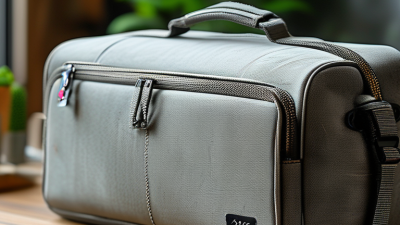
Choosing the right Cable Storage Bag in 2026 is less about appearance and more about daily reliability. A neat pouch can still fail when zippers snag, dividers collapse, or charging bricks press against delicate cables. The best choice should protect your equipment while keeping every connector visible and easy to reach.
Real-world use reveals important differences. A commuter may need a slim bag for a laptop charger, earbuds, and two short cables. A photographer or remote worker may require stronger padding, wider compartments, and space for adapters. Look closely at fabric thickness, stitching, elastic loops, waterproof resistance, and zipper quality. Small details matter. A loose strap becomes annoying quickly.
Capacity can mislead.
This guide compares practical features, construction quality, organization, portability, and value. It also considers how a Cable Storage Bag performs inside crowded backpacks, airport trays, and office drawers. Reliable recommendations should come from more than product descriptions. They should reflect material knowledge, user experience, and sensible testing. For example, placing a heavy power bank inside the bag can expose weak seams within days.
No design suits everyone. That is worth admitting. Some popular bags feel durable but waste space with oversized compartments. Others look compact yet cannot hold modern charging hubs. We will examine these compromises carefully, so buyers can choose based on their devices, travel habits, and budget. A well-chosen bag should reduce cable tangles, protect accessories, and make routine packing feel almost effortless.
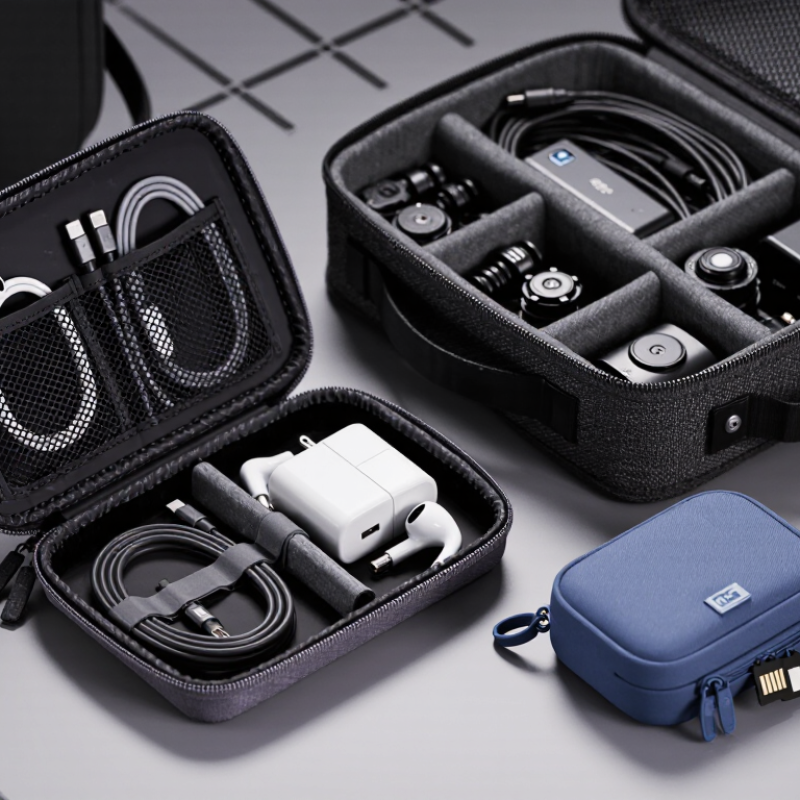
Choosing a cable storage bag starts with your real routine, not its appearance. Count the cables you carry each week. Include chargers, adapters, memory cards, and spare leads. A home-office user may need organized compartments for daily access. A frequent traveler may prefer a slim bag that fits beside a laptop. Field workers need stronger fabric and secure closures.
Measure your longest cable before shopping. Then check the space around its connectors. Tight pockets can bend plugs and shorten cable life. Look for flexible loops, mesh sections, and adjustable dividers. These features make small items visible without emptying the entire bag. Moisture-resistant fabric helps during commuting, but it does not make the bag waterproof. That distinction matters.
Think about how often the contents change. A photographer, technician, or student may need quick reconfiguration. A fixed layout could become frustrating. I once chose a bag with many narrow pockets, but thick charging blocks barely fit. The design looked efficient. It was not. Leave some unused space for future cables and unexpected adapters. Test the bag while standing, sitting, and moving through a crowded station. Zippers, stitching, and handles deserve attention too. A storage system should protect cables while matching the way you actually use them.
Define your cable storage needs by considering the number of cables, cable length, and usage scenario. The chart below provides practical planning benchmarks for selecting an appropriate storage capacity.
Choose a compact bag for daily essentials, a medium bag for work and travel accessories, and a larger organizer when carrying power adapters, extension cables, and multiple device cables.
How to Choose the Best Cable Storage Bag in 2026?
A cable storage bag should match your daily load, not your imagined collection. Measure your longest charger, thickest adapter, and largest power bank before shopping. Add two centimeters of clearance around each item. That small margin prevents strained zippers and tangled corners. A compact bag suits earbuds, short charging cables, and memory cards. Larger bags work better for laptop chargers, travel adapters, and spare batteries. However, oversized storage often becomes a loose drawer. I initially chose a large bag and filled it with unnecessary cables. That was a mistake.
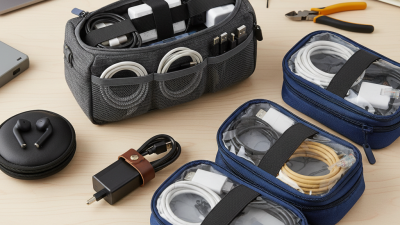
Compartments matter more than decoration. Look for elastic loops that hold individual cables firmly. Mesh pockets can display small connectors without hiding them. A padded central section helps protect heavier adapters from scratching screens or other equipment. Check whether dividers are fixed or adjustable. Fixed sections feel organized, but they may waste space around unusual shapes. Adjustable dividers offer flexibility, though they can shift during travel. Fewer sections may be better for bulky equipment. Too many narrow slots create frustration.
Capacity should be measured by usable space, not the bag’s advertised dimensions. A bag listed as holding twenty cables may fit only thin cords. Estimate capacity by grouping items on a table, then measuring their combined thickness. Leave at least fifteen percent of empty space. Cables need room to bend naturally. My own estimate was optimistic, especially after adding wall plugs. Recheck the layout after one week of use. Daily habits reveal whether the compartments support your routine or quietly slow it down.
The material determines how well a cable storage bag handles daily use. Dense nylon resists abrasion, while polyester usually feels lighter and more flexible. EVA adds structure and helps protect chargers from pressure. I prefer a bag with padded walls and a smooth inner lining. Loose cables should not rub against rough seams. Check the stitching closely. Even strong fabric fails when thread ends are exposed. A mild, clean smell is reassuring; a sharp chemical odor makes me hesitate.
Protection should match your routine. A raised edge can guard against small impacts, but it will not replace a hard case. Water-resistant fabric helps with splashes, not prolonged soaking. Test the layout with your actual cables, adapters, memory cards, and power bank. Each item needs space without forcing the zipper closed. Overfilled compartments become weak points. I once chose a compact bag that looked efficient, but the stiff charger distorted its shape within weeks.
Zipper quality deserves careful attention. Open and close it repeatedly. The movement should feel smooth, without catching on the lining. Metal teeth often feel durable, but well-made plastic teeth can also perform reliably. Inspect the zipper tape and its end stitching. A large pull tab is easier to use with one hand. Small details matter. Still, no inspection is perfect. Dust, bending, and overloading can shorten any zipper’s life. Choose a bag that leaves a little unused space.
Choosing a cable storage bag in 2026 starts with portability, not appearance. A useful bag should fit inside a work backpack without creating a hard, bulky lump. Measure your daily load first: charging cables, adapters, earbuds, and a power bank. Lightweight fabric helps, but weak stitching can fail quickly. I once chose a slim case that looked practical. Its zipper broke after repeated travel.
Organization affects speed and equipment safety. Look for elastic loops, divided pockets, and one open section for irregular adapters. Cables should remain visible, not buried beneath chargers. The Global E-waste Monitor 2024 reports that the world generated 62 billion kilograms of electronic waste in 2022, while only 22.3% was formally collected and recycled. A durable bag can reduce replacements, but only if its compartments prevent crushing and sharp bending. This point is easy to overlook.
Tips: Check compatibility before buying. USB-C does not guarantee identical charging, data, or display performance. Compare the bag’s depth with your largest plug, not just its cable length. Review technical specifications from the USB Implementers Forum, including connector and power requirements. Choose water-resistant material for commuting, but do not assume “water-resistant” means waterproof. Leave modest spare space; a perfectly packed case becomes frustrating. Compatibility labels can also be unclear, so verify every cable’s purpose before storage.
How to Choose the Best Cable Storage Bag in 2026?
Balance Price, Durability, and Long-Term Value
A low-priced cable bag can look attractive on a crowded online shelf. However, weak stitching, thin fabric, and rough zippers may create replacement costs within months. I once chose a cheap organizer for travel. Its inner divider tore after repeated airport inspections. The saving was smaller than expected.
Examine the bag closely before buying. Dense fabric, reinforced seams, and smooth metal or molded zippers usually support longer use. Check whether the compartments fit your actual cables, chargers, adapters, and small tools. Measure twice. A bag that is too small causes pressure on the zipper. One that is too large wastes space inside your backpack.
Price should be judged against years of service, not the checkout total. Divide the cost by the expected number of reliable uses. A moderately priced bag may offer better value if its shape stays firm and its lining resists scratches. Water resistance also matters during commutes, but do not treat it as complete waterproof protection. That distinction is important.
Look for practical details rather than decorative features. Elastic loops should hold cables without crushing them. A handle should feel secure when the bag is full. Read consistent customer feedback, especially comments about broken seams and zipper performance. Some reviews can be overly emotional, so compare repeated patterns. No choice is perfect. Your storage habits may change, and a smaller bag could become limiting later.
| Storage Bag Type | Typical Price Range (USD) | Typical Capacity | Common Materials | Protection Level | Approximate Empty Weight | Expected Service Life | Best For | Long-Term Value Score |
|---|---|---|---|---|---|---|---|---|
| Basic Zip Pouch | $5–$15 | 2–5 cables and small adapters | Polyester or nylon fabric; metal or plastic zipper | Basic dust and scratch protection; limited padding | 40–100 g | 1–3 years with regular use | Light everyday carry and low-cost organization | 7.0/10 |
| Padded Cable Organizer | $15–$35 | 5–10 cables, chargers, and memory cards | Water-resistant nylon or polyester with foam padding | Good protection against scratches, light impacts, and moisture | 120–250 g | 2–5 years with normal travel use | Commuters, students, and frequent travelers | 8.5/10 |
| Hard-Shell Cable Case | $20–$50 | 6–12 cables, power banks, and compact accessories | EVA or molded plastic shell with fabric lining | Very good impact, crush, and abrasion protection | 180–350 g | 3–7 years when the zipper and shell remain intact | Checked luggage, outdoor work, and fragile accessories | 8.2/10 |
| Multi-Compartment Tech Pouch | $25–$70 | 8–18 cables, chargers, hubs, adapters, and tools | High-density nylon, polyester, elastic loops, and mesh pockets | Good organization and moderate protection; bulkier when full | 220–450 g | 3–6 years depending on stitching and zipper quality | Remote workers, photographers, and multi-device users | 9.0/10 |
| Cable Roll Organizer | $12–$40 | 4–10 cables arranged in separate elastic loops | Canvas, nylon, leather, or synthetic leather | Good separation and visibility; lower crush protection | 100–280 g | 2–5 years; closure wear depends on design | Minimalists who need fast access and compact packing | 8.1/10 |
| Modular Electronics Case | $35–$90 | 10–25 cables, chargers, drives, and larger accessories | Durable nylon or polyester, reinforced panels, removable dividers | Very good protection and flexible internal organization | 350–700 g | 5–8 years with careful use | Professionals carrying a complete mobile workstation | 8.8/10 |
| Water-Resistant Utility Bag | $18–$55 | 6–15 cables, tools, batteries, and compact equipment | Coated nylon or polyester with sealed or covered zippers | Good protection from splashes, dust, and daily abrasion | 180–400 g | 3–6 years depending on coating and seam construction | Field work, commuting, and unpredictable weather | 8.6/10 |
Price ranges are typical planning benchmarks for comparable cable storage bags in 2026. Actual prices vary by size, material thickness, construction quality, and included features. For the best long-term value, prioritize strong stitching, smooth reinforced zippers, water-resistant fabric, and a layout that matches the number of accessories you regularly carry.