
Why Choose a Drone Carrying Case?
Why Choose a Drone Carrying Case?
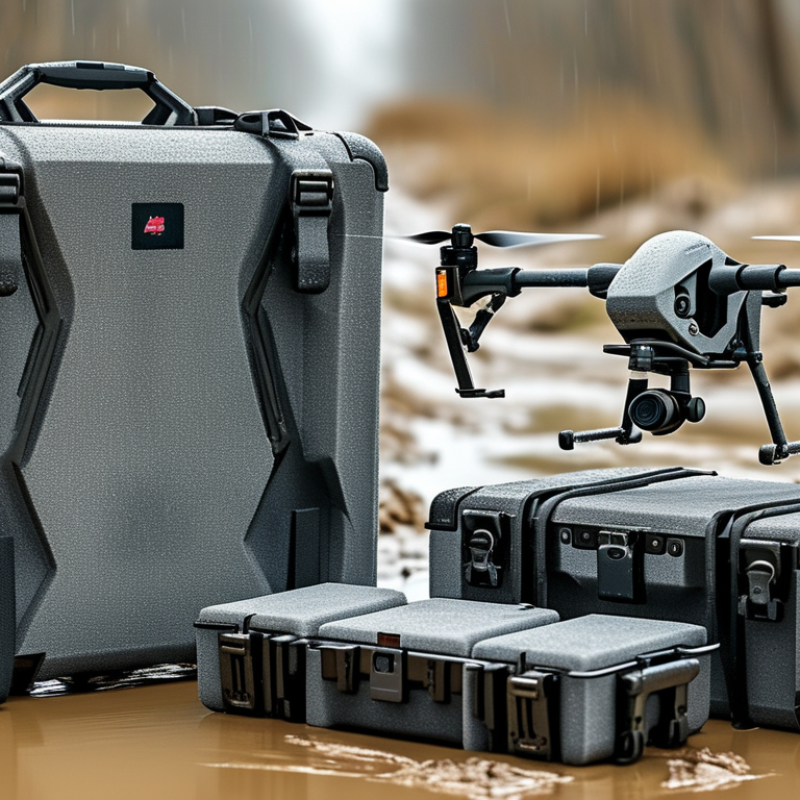
A drone often travels through dust, rain, crowded vehicles, and narrow storage spaces. Without protection, one hard impact can damage a gimbal, propeller, or battery connection. A Drone Carrying Case creates a controlled space for delicate equipment. It keeps the aircraft, controller, batteries, chargers, and spare parts organized. That matters when a flight team prepares beside a muddy field or a busy construction site.
Brendan Schulman, a respected drone-industry lawyer and former DJI executive, once said, “Drones are not toys.” His warning also applies to transport. A professional drone deserves professional handling. A strong case usually combines impact-resistant plastic, custom foam, secure latches, and a comfortable handle. Some models also provide water resistance and pressure-release valves. These features can reduce damage during storage and travel. They cannot prevent every mistake.
A case is not magic.
In practical use, operators should check foam spacing before every journey. Loose equipment can move inside the case, even when the shell remains intact. Batteries need separate, safe storage and regular inspection. A heavy case may also become tiring during long walks. That weakness is easy to overlook. Choosing the right Drone Carrying Case means balancing protection, weight, capacity, and working conditions. For occasional users, a compact case may be enough. Survey crews may need wheels, stronger seals, and room for multiple aircraft. The best choice protects expensive equipment without slowing the team down. Reliability comes from both the case and the habits behind it.
What Is a Drone Carrying Case?
A drone carrying case is a protective container designed to organize and transport a drone safely. It usually holds the aircraft, remote controller, batteries, propellers, charging cables, and small tools. Unlike a basic backpack, it uses shaped compartments to limit movement during travel. This matters because a loose propeller or cable can scratch sensitive surfaces.
In practical field use, a well-fitted case makes setup faster. The drone should sit firmly without pressure on its arms or camera. Dense foam can absorb light impacts, while a hard outer shell offers stronger protection against crushing. However, water-resistant does not always mean waterproof. Check the seal, zipper, and manufacturer’s protection rating before carrying the case through rain. Batteries should remain secure, protected from extreme heat, and transported according to applicable local and airline requirements.
A useful case also leaves space for inspection and careful packing. Clear labels can help identify each compartment, especially in low light. Weight deserves attention too. An oversized case may protect well but become tiring after a long walk. An undersized case creates pressure points and defeats its purpose. Fit matters most.
Some cases look strong but have weak hinges. Others feel comfortable yet offer little impact protection. Check both. A practical choice should match the drone’s dimensions, travel conditions, storage needs, and the owner’s actual habits. Many buyers overlook access speed; that mistake becomes obvious when changing equipment outdoors.
Why Choose a Drone Carrying Case? - What Is a Drone Carrying Case?
| Comparison Dimension | Soft Carrying Case | Hard-Shell Carrying Case | Drone Backpack | Custom Protective Case |
|---|---|---|---|---|
| Primary purpose | Organized transport and everyday protection | High-impact protection during transport and storage | Hands-free carrying for travel, fieldwork, and hiking | Protection tailored to a specific drone and accessory set |
| Typical outer material | Nylon, polyester, or other woven fabric | Molded plastic, aluminum, or reinforced composite | Nylon or polyester fabric with padded panels | Impact-resistant plastic or reinforced composite |
| Interior organization | Padded dividers, pockets, and adjustable compartments | Foam inserts or molded compartments | Dedicated padded sections for the drone, controller, batteries, and accessories | Precisely cut foam or molded inserts for each component |
| Impact resistance | Low to moderate; padding helps absorb minor knocks | High; rigid walls and foam can reduce shock transmission | Moderate; protection depends on padding and frame construction | High when the shell and insert are correctly specified |
| Weather resistance | Often water-resistant, but seams and zippers may allow water entry | May provide dust and water resistance when fitted with a gasket and sealed latches | Usually weather-resistant rather than fully waterproof | Can be specified for dust and water resistance; verify the stated protection rating |
| Weight tendency | Lightest option for comparable storage capacity | Heavier because of rigid walls, hardware, and foam | Moderate; designed to balance storage and carrying comfort | Varies according to shell material, insert design, and capacity |
| Carrying method | Hand handle or shoulder strap | Handle; some designs also support wheels or shoulder straps | Two shoulder straps and often a chest or waist strap | Handle, shoulder strap, wheels, or transport trolley depending on design |
| Best suited for | Short trips, indoor storage, and routine personal use | Air travel, vehicle transport, shipping, and demanding field conditions | Mobile operators who need both hands free | Professional, industrial, survey, inspection, or specialized equipment transport |
| Main advantages | Lightweight, flexible, compact, and generally easy to store | Strong structural protection, secure stacking, and better resistance to crushing | Comfortable mobility, balanced load distribution, and quick access | Maximum fit, reduced internal movement, and efficient use of available space |
| Key limitations | Less protection from crushing, punctures, and severe weather | Greater weight, bulk, and usually higher purchase cost | Less rigid protection and limited capacity compared with large cases | Higher cost and reduced flexibility if the equipment configuration changes |
| Important selection checks | Internal dimensions, padding thickness, zipper quality, and battery storage | Internal dimensions, latch security, gasket condition, foam density, and airline size limits | Harness adjustment, back ventilation, compartment layout, and weather protection | Exact equipment measurements, insert material, environmental requirements, and future expansion needs |
Related Posts
-

2026 How to Choose the Best Drone Carrying Case for You?
-
2026 How to Choose the Best Drone Carrying Case?
-
Best Tips for Choosing the Right Drone Carrying Case?
-

Exploring the Market Potential of Drone Carrying Cases at the 138th Canton Fair 2025
-
How to Choose the Best Drone Carrying Case for Your Needs?
-

Elevating Your Business at the 137th Canton Fair with Innovative Drone Carrying Cases