How to Choose the Best Tool Storage Bag?
Choosing the best Tool Storage Bag is not simply a matter of color, size, or brand popularity. It is a practical decision about protection, access, weight, and working conditions. A bag should keep screwdrivers upright, prevent loose fasteners from disappearing, and remain stable beside a ladder or service vehicle. Fit matters.
Industry reports support this growing focus on organized tool handling. Grand View Research’s Hand Tools Market Size, Share & Trends Analysis identifies continued demand for portable and professional hand tools. That demand increases the need for storage that travels with the user. The U.S. Bureau of Labor Statistics’ 2023 Employer-Reported Workplace Injuries report also lists sprains, strains, and tears among major nonfatal workplace cases. A well-designed bag cannot remove every risk, but sensible weight distribution may reduce unnecessary handling.
The best selection process examines real working habits. Check the bag’s empty weight, stated load capacity, stitching, base material, handle padding, zipper quality, and compartment layout. Measure the longest tool before buying. A compact bag can become frustrating when pliers bend against the zipper. A large bag can encourage overloading. That is an easy mistake.
Professional buyers should also review manufacturer specifications and warranty terms. Water resistance is not the same as waterproof protection. Reinforced corners may outlast thin fabric, but only under suitable use. Reports often describe broad market trends, not individual jobsite performance. Therefore, product claims still require careful comparison. No bag is perfect. The reliable choice matches the tools, travel distance, environment, and user’s lifting comfort.
Define Your Tool Storage Needs and Usage Scenarios
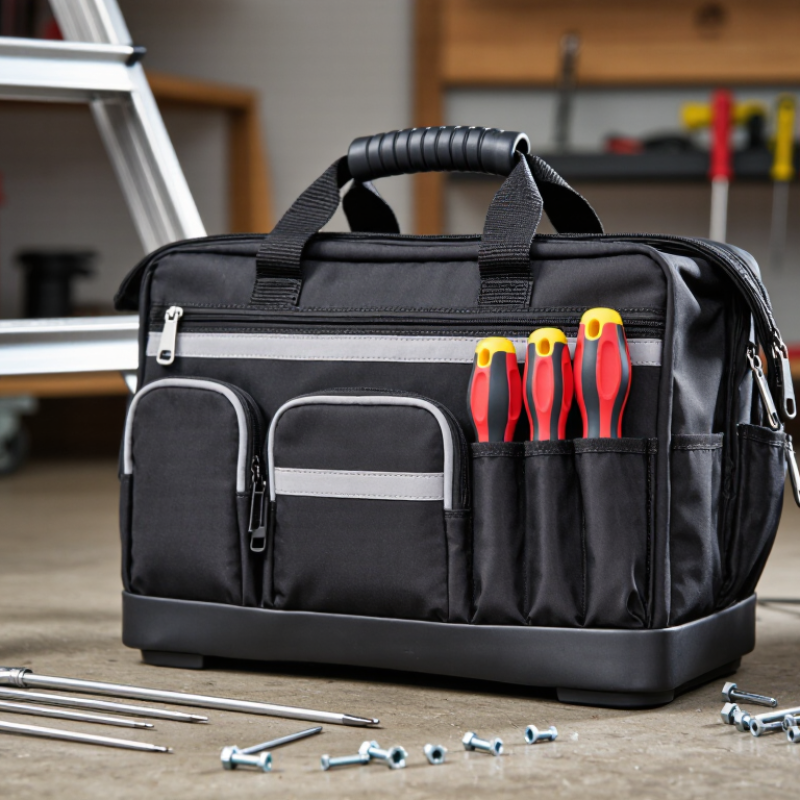
Choosing the best tool storage bag starts with defining how you actually work. A bag for daily repairs differs from one used for weekend projects. List the tools you carry most often. Include screwdrivers, pliers, measuring tools, fasteners, and small accessories. Do not count every tool in your workshop.
Think about your working environment. A compact bag suits indoor maintenance and short jobs. A larger bag may help when tools must travel between rooms or work sites. Check whether the bag will face dust, moisture, sharp edges, or rough floors. Protection matters. So does quick access. If you often kneel or climb, excessive weight becomes a real problem. I once chose a spacious bag and filled it completely. My estimate was wrong. Carrying it became tiring before the job even started.
Consider how frequently each tool is used. Place daily essentials in open pockets or easy-to-reach compartments. Store occasional tools deeper inside. Measure your largest items before buying, especially long levels, thick handles, or cordless equipment. Leave some unused space for future needs. This is easy to overlook. Review the bag after several jobs. Remove duplicates, damaged items, and tools you never touch. A storage system should change with your work, not control it. No choice is perfect, and your first arrangement may need adjustment.
Compare Bag Types, Sizes, and Internal Organization
How to Choose the Best Tool Storage Bag?
Bag type should match the work, not the tool count. A soft canvas bag suits short repairs and uneven spaces. A structured tote protects heavier tools and stays open during use. A backpack works better when stairs, ladders, or public transport are involved. I have carried a large bag for a small job. It was tiring and unnecessary.
Size needs practical limits. The U.S. Bureau of Labor Statistics reported that sprains, strains, and tears remained major causes of workplace injuries involving days away from work in 2023. A lighter load can reduce awkward carrying, although bag design cannot solve every handling problem. Choose a bag that holds daily essentials with roughly 15% spare capacity. More space often becomes more weight. Small bags force selection. Sometimes, that helps.
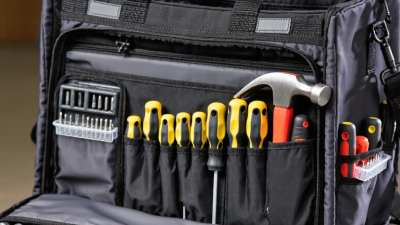
Internal organization affects speed and tool safety. Look for reinforced pockets, vertical compartments, and a separate section for measuring tools. Elastic loops hold screwdrivers upright, while wide pockets fit gloves or a compact level. The Occupational Safety and Health Administration emphasizes preventing dropped objects and maintaining orderly work areas. A closed base and secure fasteners support that goal. Industry tool-storage research also shows continued demand for portable, organized solutions among mobile workers. Test the bag fully loaded. Check whether it tips, strains one shoulder, or hides small tools. My own choice is still imperfect: I prefer many pockets, then forget where I placed things.
How to Choose the Best Tool Storage Bag?
Compare typical tool bag types by usable storage capacity and the number of dedicated internal sections.
Compact pouches suit small repair kits, while open totes provide faster access for frequently used tools. Backpacks balance portability and organization, and rolling cases offer the highest capacity for heavier equipment. Values represent typical specifications found across commonly available, non-branded tool storage bags.
Evaluate Materials, Durability, and Weather Resistance
A tool storage bag should survive real work, not just look sturdy on a product page. Dense polyester resists abrasion and dries faster than untreated canvas. Canvas feels strong, but it can absorb rain and become heavy. A reinforced base helps when the bag rests on concrete, gravel, or a wet workshop floor. Check the fabric closely. Loose threads often reveal weak construction.
Durability depends on more than material thickness. Examine the stitching around handles, pockets, and shoulder straps. Box stitching with strong thread usually handles repeated lifting better. Metal or molded plastic fittings should move smoothly without sharp edges. Test the zipper with one hand. It should not catch when the bag is full. I once trusted a thick-looking bag with weak seams. It failed before the fabric showed wear.
Weather resistance needs careful judgment. A water-resistant coating can handle light rain, but it does not make the bag waterproof. Look for covered zippers, sealed or neatly bound seams, and a raised bottom. These details reduce moisture entering from splashes. If tools may remain outdoors, choose a bag with a protective flap and fast-drying lining. Still, let the bag dry fully after use. Even quality materials can develop odors or mildew when stored damp.
Check Portability, Security, and User-Friendly Features
Choosing the best tool storage bag starts with portability, security, and daily usability.
A bag that feels light in a showroom may become uncomfortable after adding drills, fasteners, and hand tools.
OSHA reports that musculoskeletal disorders represent about one-third of serious workplace injury cases.
That makes padded handles, balanced compartments, and adjustable shoulder straps practical safety features, not decorative extras.
Check how the bag behaves when carried.
Does it stay upright on uneven flooring? Can you reach a screwdriver without removing half the contents?
Wide openings, reinforced stitching, and clearly sized pockets
reduce unnecessary bending and searching.
The U.S. Bureau of Labor Statistics recorded 888,220 private-industry cases involving days away from work in 2023.
Storage design cannot prevent every injury, but it can reduce awkward handling during repetitive tasks.
Security deserves equal attention.
Look for lockable zippers, covered fasteners, and a firm base
that protects tools from moisture and impact.
I once chose a bag with many pockets, yet its loose interior allowed small sockets to disappear under larger tools.
More compartments were not better.
A simple inventory check helped more.
Independent testing, published load ratings, and clear care instructions also signal reliable construction.
Reflective panels may improve visibility in dim work areas, although they should never replace proper lighting or site safety procedures.