Why Choose a Tool Storage Bag for Your Business?
A busy workday rarely keeps tools in one place. A technician may move from a service van to a customer’s building, carrying a drill, measuring tape, spare bits, and small parts. A Tool Storage Bag can keep those essentials together and make them easier to reach. That matters.
For a business, the choice is practical, not merely cosmetic. Separate pockets can reduce time spent searching, while a wide opening helps workers see what is inside. Reinforced stitching, sturdy zippers, and comfortable handles also matter when a bag is carried repeatedly or loaded with heavier equipment. Check the manufacturer’s capacity guidance, then consider the tools your team actually uses. A bag that is too small can strain its seams; one that is oversized may encourage unnecessary weight.
There is no single design that suits every trade. A mobile repair crew may value compact storage, while a maintenance team may need space for larger hand tools and labeled compartments. Water-resistant fabric can help with light exposure, but it should not be treated as a guarantee against heavy rain. Not always.
A sensible purchase starts with real work patterns: how far staff carry equipment, where bags are stored, and which tools must stay protected. Ask workers to test the layout with their usual kit before ordering in quantity. Their feedback may reveal an awkward pocket or an uncomfortable strap that a product photo cannot show. The details are easy to overlook. Choosing carefully can support safer handling, smoother routines, and fewer misplaced essentials, though the bag alone will not fix poor inventory habits.
What Is a Tool Storage Bag and How Does It Work?
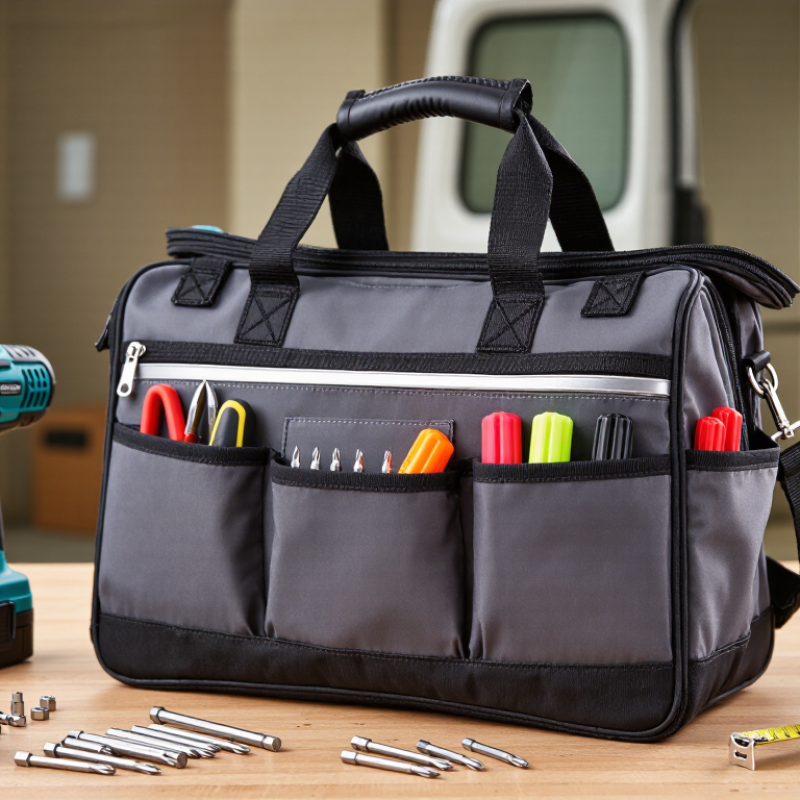
A tool storage bag is a portable organizer made to carry hand tools, small parts, and supplies between work areas. It usually combines a sturdy fabric body with pockets, dividers, handles, and a zipper or open top. The layout matters. A tape measure, pliers, and fasteners should each have a predictable place, so workers can find them without emptying the bag.
It works by keeping equipment grouped and protected during transport. Reinforced panels help the bag hold its shape, while padded or coated sections can reduce scuffs and limit moisture exposure. They are not waterproof by default. Check the material and seams before relying on a bag in wet conditions. Some models use removable dividers; others have fixed pockets for common tool shapes. A wide opening can make larger tools easier to reach, though it may let loose parts shift around.
For a business, the right size depends on the job, not just the number of tools. A compact bag can suit service calls, while a larger one may carry supplies for a maintenance team. Heavy tools can strain handles, even on a well-made bag. That detail is easy to overlook. Review pocket placement, stitching, and load capacity, then test the bag with the actual equipment employees carry. A neat-looking layout may still feel awkward after a full shift.
Why Choose a Tool Storage Bag for Your Business?
A tool storage bag keeps commonly used tools together and makes them easier to carry between jobs. Choose a capacity that fits your load without adding unnecessary bulk.
The chart converts reference volumes from liters to cubic inches (1 liter ≈ 61.024 cubic inches). These are volume benchmarks, not measurements of specific bags.
How Tool Storage Bags Support Business Operations
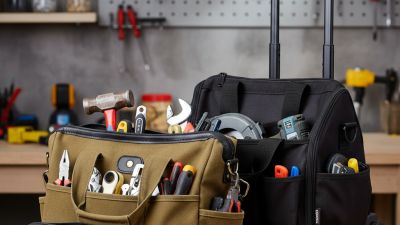
Tool storage bags support daily operations by keeping frequently used equipment visible, protected, and ready to move. A technician can carry a drill, tape measure, bits, and fasteners from a service vehicle to a work area in one trip. That saves time. Padded dividers reduce tool-to-tool impact, while a reinforced base handles rough floors and damp ground. But a bag is not a substitute for inventory checks; missing items can still go unnoticed.
Tips: Assign each tool a pocket and return it after use. Choose a bag with a wide opening, secure stitching, and a comfortable handle. Check zippers and seams weekly. Small checks matter.
For supervisors, consistent layouts make handoffs easier. A replacement worker can spot an empty pocket without searching every compartment. Separate clean measuring tools from oily accessories, and use removable pouches for small parts. Match capacity to the task: an oversized bag adds weight, while a cramped one strains zippers. Test the loaded bag on an actual route before standardizing it. Some crews may still prefer a cart for heavy equipment; that is worth admitting.
Which Features Matter for Professional Use?
A professional tool storage bag should fit the workday, not just hold the tools. Start with capacity: a bag that is too small forces tools into crowded pockets, while an oversized one becomes awkward on stairs or in a service vehicle. Separate compartments help keep fasteners away from precision tools. A tape measure, utility knife, and commonly used driver should be easy to reach without emptying the bag. Small details matter.
Check the construction where wear is concentrated. Reinforced stitching around handles and shoulder-strap anchors can withstand repeated lifting better than thin seams. A rigid or padded base helps the bag keep its shape on a concrete floor, though it may add weight. Zippers should open smoothly with gloved hands, and wide openings make it easier to see what is inside. Test this with your actual kit; pocket layouts that look useful online may not suit your tools.
Comfort and maintenance matter during long shifts. Padded handles and an adjustable strap distribute weight, but a heavily loaded bag can still strain the shoulder. Consider a water-resistant base for damp floors, without assuming it makes the whole bag waterproof. Removable dividers can help as a tool set changes. One trade-off is easy to miss: more pockets can mean slower packing if each tool has no clear place. A little empty space is useful.
How to Match a Bag to Your Trade and Work Environment
Choosing a tool storage bag starts with the work, not its appearance. An electrician may need slim sleeves for testers, drivers, and labeled connectors. A carpenter often benefits from wider pockets for a tape measure, pencils, and fasteners. For mobile repair work, a compact bag can cut repeated trips between a vehicle and a service area. Small details matter.
Match the bag’s materials and closure to the work environment. On a dusty renovation site, sturdy fabric and pockets that close securely can help keep grit away from small parts. In damp conditions, a water-resistant outer layer may be useful, but it does not make the contents waterproof. For indoor maintenance, a lighter bag with a firm base may be easier to carry through hallways and up ladders. Check the handle stitching and shoulder strap before loading it.
Test the layout with the tools you actually carry. Place frequently used items near the top, then check whether they remain easy to reach when the bag is full. A bag that looks organized empty may become awkward once loaded. There is no perfect layout, and adding more pockets can make tools harder to see. Weigh the packed bag and try lifting it from the floor; that simple check can reveal a poor fit.
How Proper Care Helps Extend a Bag’s Service Life
A tool storage bag often gets dragged across concrete, packed into a vehicle, and opened dozens of times each week. Dust and metal filings can work into seams and zipper teeth. Empty the bag regularly and shake out debris outdoors. Small habits matter. Check handles, stitching, and closures for loose threads or rough movement before they fail during a busy shift.
Clean fabric with a soft brush or damp cloth and mild soap, following the care instructions when available. Avoid soaking the bag unless its materials allow it; trapped moisture can encourage mildew or corrosion on metal fittings. Let it dry fully with every pocket open. Let it dry. Direct heat may warp coatings or weaken some materials, so shade and airflow are safer choices.
Storage conditions matter, too. Keep the bag off wet floors and away from sharp edges when it is not in use. Distribute heavy tools across compartments rather than loading one corner, which can strain seams. A small tear is easier to repair early, though repairs can be overlooked when work piles up. That is a useful reminder: care only helps when it becomes part of the routine.