Top Medical Carrying Case Options for Global Buyers?
In the ever-evolving medical landscape, choosing the right Medical Carrying Case is crucial for global buyers. Dr. Emily Sharp, a renowned expert in medical logistics, once stated, “A quality Medical Carrying Case can alter patient care on the go.” This statement emphasizes the importance of reliability and functionality in medical equipment transport.
Many options exist in the market, yet not all meet the demands of professionals. A durable Medical Carrying Case should protect its contents under various conditions. It must be lightweight but strong, ensuring ease of transport without compromising safety. The right case serves as a reliable partner during emergencies, crucial for immediate access to medical supplies.
Buyers often face the challenge of balancing cost with quality. Some may opt for cheaper alternatives, risking safety and efficiency. Reflecting on this, Dr. Sharp suggests, “Investing in a high-quality case pays dividends in critical moments.” This insight raises awareness about the importance of making informed decisions in an industry where every second counts.
Top Features to Consider in a Medical Carrying Case
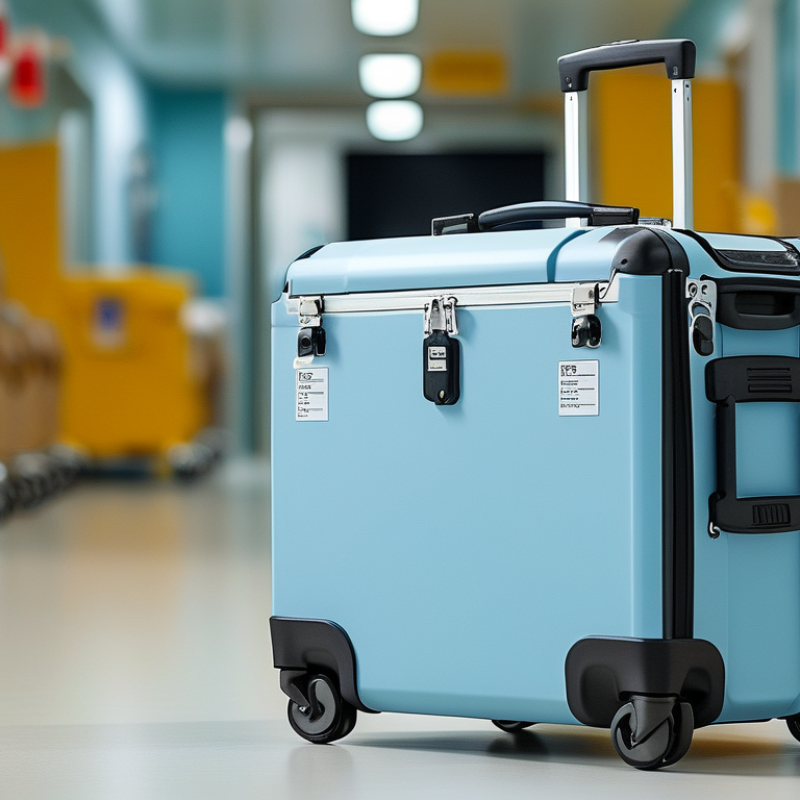
When selecting a medical carrying case, consider the material. Durable, water-resistant fabrics contribute to longevity. Look for materials that can withstand everyday use and environmental challenges. This enhances reliability and protects contents from moisture and wear.
Size is another critical factor. A case should be spacious enough for tools, yet easy to handle. Compact designs promote mobility. However, overcrowding is a concern. Balance space with organization, ensuring quick access to essential items. An efficient layout saves time during emergencies.
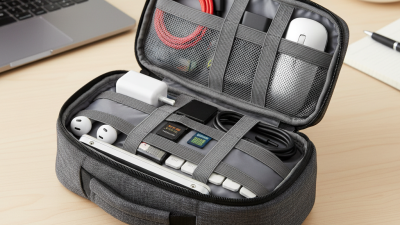
The design should also prioritize accessibility. Consider how zippers, compartments, and handles are positioned. A case that opens wide facilitates easy sorting and retrieval. Some designs might look appealing but can pose challenges in real situations. It's essential to evaluate usability alongside aesthetics.
Different Types of Medical Carrying Cases Available in the Market
When exploring medical carrying cases, one finds a variety of options. These cases serve different purposes. They are designed to meet various needs in healthcare settings.
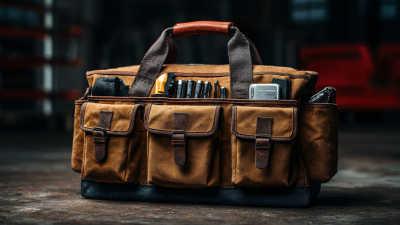
Portable medical bags are extremely popular. They are lightweight and easy to transport. These bags often include compartments for organization. This ensures that medical supplies are accessible. A common choice is a backpack style, perfect for hands-free movement.
Tactical cases also draw attention. They offer rugged design and durability. Perfect for outdoor scenarios or emergency situations. However, users sometimes overlook weight. If overloaded, these cases can become cumbersome.
Tips: Always evaluate the size and weight of each option. Consider what items you need to carry. Also, check materials for durability and ease of cleaning. It’s essential to choose a case that meets your specific needs.
Top Medical Carrying Case Options for Global Buyers
| Case Type |
Material |
Size (cm) |
Weight (kg) |
Features |
| Hard Shell Case |
Polycarbonate |
40 x 30 x 20 |
2.5 |
Water-resistant, Shock-proof |
| Soft Case |
Nylon |
35 x 25 x 15 |
1.0 |
Lightweight, Multiple Compartments |
| Rolling Case |
Aluminum |
50 x 40 x 25 |
3.5 |
Durable, Easy to Transport |
| Insulated Case |
Foam |
30 x 20 x 10 |
1.5 |
Temperature Control, Portable |
| First Aid Kit Case |
Plastic |
25 x 15 x 7 |
0.8 |
Compact, Essential Supplies |
Comparative Analysis of Leading Brands for Medical Carrying Cases
When selecting a medical carrying case, understanding the specifics is essential. Various brands offer features tailored to different needs.
Durability, size, and weight can greatly impact usability. Some cases provide extra compartments, which help in organizing supplies effectively. Others focus on lightweight materials for easy transport. Each design reflects a unique understanding of medical professionals' needs.
User feedback plays a critical role in this decision-making process. Reviews often highlight the importance of protection against harsh conditions.
Some cases may lack adequate padding, leading to concerns about equipment safety. It's necessary to consider how often the case will be moved. Frequent travel demands robust builds, while stationary use may allow for lighter choices.
Innovative designs often come with advanced features, like waterproofing or thermal insulation. Nonetheless, not every feature suits all users. A well-designed case for one specialty may not work for another.
As industry standards evolve, staying informed about recent innovations is vital. Discrepancies exist in user experiences and preferences, resulting in differing opinions on the best fit. Understanding these dynamics can lead to more informed choices.
How to Choose the Right Medical Carrying Case for Your Needs
Choosing the right medical carrying case involves understanding your specific needs. Consider the types of medical supplies you need to transport. Different cases cater to varied equipment, from simple first aid items to complex monitoring devices. Evaluate the size and weight; can you handle it easily? A bulky case may hinder mobility in emergency situations.
Durability is critical. Look for materials that can withstand wear and tear. Cases exposed to harsh conditions need to be water-resistant and robust. Think about the organization. Does the case have compartments to keep items orderly? Access to supplies should be quick and straightforward.
Reflect on your experience with previous cases. What worked well? What didn’t? This self-assessment helps in making a better choice. Seek expert reviews and recommendations from healthcare providers. Their insights can guide you in selecting a reliable and efficient case. Always prioritize practical features over aesthetics. Having a functional and dependable carrying case can make a significant difference in critical situations.
Global Trends in Medical Carrying Case Design and Functionality
The design and functionality of medical carrying cases reflect the evolving requirements of healthcare. Current industry reports indicate a growing trend towards customizable cases tailored to specific medical equipment. A significant 58% of healthcare professionals prefer cases that offer modular compartments. This allows for better organization and quick access during emergencies.
Functionality is key. Many cases now feature ergonomic handles and lightweight materials. Data shows that 72% of medical staff prioritize portability when selecting carrying cases. Smart design elements, such as waterproof fabrics and reinforced structures, are also gaining traction. These enhancements ensure durability while safeguarding sensitive medical instruments.
However, there are challenges. Some users report that the increasing variety of designs can lead to confusion. Not all cases accommodate every type of equipment. As the market grows, it becomes vital for buyers to balance aesthetics with practicality. The demand for innovation in case design must meet the stringent needs of medical environments without compromise.
Global Trends in Medical Carrying Case Design and Functionality