China’s bike accessory industry offers a wide range of Bike Rack Bag manufacturers for wholesalers, retailers, and outdoor brands. This guide explores how to identify capable suppliers, compare product quality, and assess wholesale value. It focuses on manufacturers with practical production experience, stable materials, and clear communication.
A reliable Bike Rack Bag should resist light rain, road dust, and daily handling. Strong stitching, firm zippers, reflective details, and dependable mounting straps matter during real cycling trips. Buyers should request fabric samples, product measurements, loading tests, and factory photos before placing large orders. Certifications, inspection reports, and traceable business information can also support a more reliable decision.
Supplier evaluation is rarely perfect. A polished catalog does not always prove consistent production quality. Some factories may offer attractive prices but provide limited customization or weak quality control. This guide therefore considers factory experience, production capacity, sample performance, packaging standards, and after-sales communication. It also discusses OEM and ODM options, minimum order quantities, lead times, and shipping preparation.
Small details can affect wholesale success. A loose buckle may damage a customer’s confidence. Poor packaging may flatten the bag before delivery. Color differences can also create retail complaints. Careful buyers should compare several suppliers and keep written specifications. The best choice is not always the cheapest one. It is the manufacturer that can repeatedly deliver a practical product, accurate documentation, and responsive service. Some recommendations may need further verification, because supplier conditions can change over time.
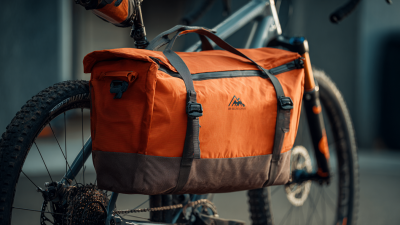
Bike rack bags come in several practical forms. Trunk bags sit on rear racks and suit commuting, groceries, and short touring trips. Pannier-style bags hang beside the wheel, offering more room for clothing, tools, or camping supplies. Rack-top bags are narrower and easier to remove, but their capacity is limited. Choosing the right type depends on load size, riding distance, and rack design.
Experienced riders usually check attachment stability before appearance. Strong hook-and-loop straps, adjustable clips, and a firm base help prevent movement on rough roads. Water-resistant fabric protects small electronics and spare clothing, while sealed seams provide better protection during steady rain. Reflective panels improve visibility near traffic. Internal dividers also stop tools from scratching delicate items.
For wholesale buyers, consistent stitching and tested load capacity matter more than impressive photographs. Ask manufacturers for sample inspection, material details, zipper testing, and packaging measurements. A practical bag should remain balanced when partly filled. It should also leave enough space for heel clearance. Some designs look spacious but feel awkward after installation. That is worth reconsidering. A slightly heavier frame may improve durability, yet it can reduce riding efficiency. Testing filled samples on different rack shapes gives more reliable evidence than catalog specifications.
Evaluating Chinese bike rack bag manufacturers requires more than comparing wholesale prices. Check whether the factory actually produces bags, rather than outsourcing every order. Ask for production photos, material specifications, and recent quality records. A reliable supplier should explain fabric density, coating type, zipper grade, and load limits clearly.
Request a pre-production sample. Test it on a real bicycle for several days. Add commuting tools, clothing, and a water bottle. Watch the mounting straps, buckle tension, stitching, and clearance around the wheel. A basic water test also helps. Spray the bag for ten minutes, then inspect the inner lining and seams. One sample is not enough.
Inspect the workshop when possible. Look for organized cutting tables, sewing stations, inspection areas, and traceable batch labels. Ask how defects are recorded and corrected. Confirm tolerances, packaging details, minimum order quantity, and delivery schedules in writing. Some factories present excellent samples but struggle with consistent bulk production. That risk deserves attention. Communication matters too. Slow answers, vague material names, or changing quotations can create costly confusion. Certifications may support credibility, but they should match the actual product and destination requirements. A careful buyer should keep testing, even when the supplier seems experienced.
China Top Bike Rack Bag Manufacturers Wholesale Guide
Wholesale buyers should verify more than product photos and attractive quotations. Ask each manufacturer for a factory profile, production capacity, material specifications, and recent inspection records. Confirm whether the supplier produces bike rack bags directly or outsources key processes. This distinction affects consistency, communication, and delivery control.
Request samples before discussing large quantities. Inspect stitching around mounting straps, zipper movement, seam sealing, and the bag’s shape after loading. Samples reveal more. Measure capacity with real commuting items, not only empty volume. Ask for test results covering load resistance, abrasion, water exposure, and repeated attachment cycles. A practical trial on several rack types can expose loose buckles or unstable panels.
Supplier verification should include a live factory video or an on-site audit. Match the legal company name, factory address, bank details, and export documents. Ask for a written quality standard with acceptable defect limits. Independent inspection before shipment adds useful protection, especially for first orders. I once focused too heavily on unit price and overlooked carton strength. That mistake increased storage damage and replacement work. Price still matters, but weak packaging can erase the savings. Keep payment stages, lead times, sample approval, and corrective actions in writing. Do not guess. A reliable supplier accepts clear questions and provides evidence without avoiding difficult details.
The chart shows the number of verification points recommended for each major purchasing area when evaluating bike rack bag suppliers. A higher count indicates a greater need for documented checks before placing a wholesale order.
Key checks include material specifications, waterproof construction, load capacity, sample inspection, production quality control, packaging, and export documentation.
China’s bike rack bag manufacturers offer broad customization for wholesale buyers. Experienced sourcing teams usually begin with the riding environment, load weight, and mounting method. A commuter bag may need reflective panels and quick-release straps. A touring model often requires larger capacity and stronger compression buckles.
Material selection affects durability, appearance, and production cost. Polyester is practical for daily use and supports many color options. Nylon can provide a softer feel and strong abrasion resistance. Tarpaulin adds structure and better protection from rain, but it may increase weight. Buyers should request fabric samples, coating details, zipper specifications, and thread types. Small details matter.
Quality control should cover every production stage. A reliable manufacturer can provide pre-production samples, material inspection records, and stitching checks. Inspectors may measure bag dimensions, test buckle strength, and examine seam consistency. Water-resistance testing should include sealed samples and controlled spray exposure. Colorfastness testing is also useful when bags contact clothing. Load testing helps reveal weak attachment points. Not every factory report is equally reliable. Ask for dated photos, test conditions, and clear acceptance standards.
Pilot orders reduce costly surprises. One sample may look excellent, yet a larger batch can show uneven stitching or slight color shifts. That happened because the inspection plan was too general. Buyers should define tolerances before production starts. Packaging, barcode placement, carton strength, and replacement policies also deserve written confirmation. Honest feedback from factory visits and repeated sample reviews often improves the final design, even when early assumptions prove wrong.
China Top Bike Rack Bag Manufacturers Wholesale Guide
Wholesale pricing depends on fabric, waterproofing, hardware, and order volume. A basic rack bag may cost about US$4–8, while reinforced, welded models often reach US$10–22 on an FOB basis. These figures are practical sourcing ranges, not fixed quotations. Grand View Research estimates continued growth in the global bicycle accessories market, but demand does not guarantee stable prices. Request a tiered quote for 100, 500, and 1,000 units. Small orders usually carry higher sampling and packaging costs.
Order documents should specify dimensions, load capacity, fabric denier, zipper type, logo method, carton size, and defect tolerance. Keep the specification measurable. A sample can look excellent and still fail after rain exposure. Ask for a pre-production sample and a packing video. Payment terms often include a deposit and balance before shipment, although safer terms may be available after a verified production history. I would not rely on photographs alone.
Shipping choices include sea freight, rail, air, and courier service. Sea freight usually suits bulky wholesale cartons, while air works for urgent samples. The World Bank’s 2023 Logistics Performance Index ranked China 19th, with a score of 3.7, yet destination customs can create delays. Confirm the correct HS classification with a customs broker, because rack bags may be treated as travel goods or bicycle accessories. Calculate duty, VAT, brokerage, inspection, and last-mile charges before accepting the factory price. ICC Incoterms guidance also makes the seller’s and buyer’s shipping responsibilities clearer. Mistakes here are expensive.
| Product Category | Typical Capacity | Common Materials | Indicative FOB Price per Unit (USD) |
Typical MOQ | Sample Lead Time | Bulk Production Lead Time | Recommended Order Information |
|---|---|---|---|---|---|---|---|
| Rear Rack Trunk Bag | 8–20 L | 600D or 900D polyester, nylon lining, foam padding, reflective panels | $4.50–$12.00 | 100–500 units | 7–15 days | 25–45 days after sample approval | Specify rack compatibility, dimensions, dividers, shoulder strap, logo method, and color requirements. |
| Expandable Rear Rack Bag | 12–25 L | Water-resistant polyester or nylon, expansion zippers, molded panels, mesh pockets | $8.00–$18.00 | 100–300 units | 10–18 days | 30–50 days | Confirm expanded and compressed measurements, zipper quality, load-bearing structure, and rain-cover design. |
| Pannier and Rack Bag Set | 20–40 L total | Coated polyester, PVC-coated fabric, aluminum or reinforced plastic hooks | $12.00–$30.00 | 100–500 sets | 10–20 days | 35–55 days | Request hook spacing, rack-tube diameter compatibility, attachment testing, and pair/set packaging details. |
| Waterproof Roll-Top Rack Bag | 15–30 L | TPU-coated fabric, PVC-coated fabric, welded or taped seams, roll-top closure | $10.00–$24.00 | 100–300 units | 12–20 days | 35–60 days | Define waterproof performance target, closure cycles, seam construction, buckle type, and laboratory test requirements. |
| Premium Commuter Rack Bag | 10–22 L | Recycled polyester or nylon, laptop sleeve, waterproof zippers, reinforced base | $16.00–$38.00 | 300–1,000 units | 15–25 days | 40–65 days | Confirm laptop size, internal organization, recycled-content documentation, hardware finish, and packaging specifications. |
| Custom-Designed Bike Rack Bag | Based on approved design | Selected according to performance, durability, sustainability, and cost targets | $18.00–$55.00+ | 500–2,000 units | 20–35 days | 45–75 days | Provide technical drawings, 3D files, bill of materials, tolerance requirements, testing standards, and packaging artwork. |
| Custom Logo and Color Service | Not applicable | Screen print, heat transfer, embroidery, woven label, rubber patch, or molded badge | Usually adds $0.15–$2.00 per unit | Often 100–500 units per color or design | 3–10 additional days | Usually included in production lead time after approval | Approve artwork in vector format and confirm print size, color references, logo position, and colorfastness expectations. |
| Retail Packaging | Individual unit packaging | Polybag, paper sleeve, color box, hangtag, carton, or recycled paper packaging | Usually adds $0.20–$2.50 per unit | Matches the product MOQ in many cases | 5–15 additional days | May add 3–10 days if custom packaging is required | Confirm carton dimensions, barcode placement, warning labels, language requirements, and packaging drop-test expectations. |
| Pre-Shipment Inspection | Random sample inspection | Visual inspection, dimensions, workmanship, accessories, packaging, and basic function checks | Commonly $200–$450 per inspection day | Usually arranged for completed bulk orders | 2–5 days to issue report | Scheduled before final balance payment | Use an agreed inspection checklist and acceptable quality limit before production begins. |
| Ocean Freight | Best suited to larger shipments | Cartonized finished goods | Rate depends on route, season, volume, and destination | Usually quoted by LCL cubic meter or FCL container | Transit commonly 20–45 days | Port-to-port timing excludes factory production | Request an all-in quote showing origin charges, destination charges, documentation, customs clearance, and delivery terms. |
| Air Freight | Suitable for samples or urgent replenishment | Cartonized finished goods | Rate depends mainly on chargeable weight and destination | No fixed freight MOQ; carrier minimum charges apply | Transit commonly 3–10 business days | Excludes customs clearance and production time | Confirm actual weight, volumetric weight, airport charges, fuel surcharges, and delivery address. |
| Courier Shipment | Samples and small cartons | Retail-packed samples or small commercial shipments | Quoted by courier according to chargeable weight and destination | Usually 1–20 units | Transit commonly 3–8 business days | Fastest option for sample evaluation | Check whether duties, taxes, brokerage, and remote-area surcharges are included in the quote. |
| Common Trade Terms | Depends on the negotiated contract | Not applicable | FOB, CIF, FCA, DAP, and DDP are commonly quoted options | Not applicable | Not applicable | Not applicable | Clarify the named port or place, insurance responsibility, import clearance, and which party pays destination charges. |
| Import Classification | Varies by construction and principal use | Textile, coated textile, plastic, metal hardware, and composite components | Duty cannot be determined from product name alone | Not applicable | Not applicable | Not applicable | Confirm the HS classification with the destination customs authority or a licensed customs broker before placing a large order. |
| Taxes and Compliance | Depends on destination market | Product and packaging must meet destination requirements | VAT, GST, sales tax, duty, and brokerage vary by country | Not applicable | Not applicable | Not applicable | Review labeling, fiber content, chemical restrictions, packaging rules, consumer-product safety, and extended producer responsibility obligations. |