What is a Medical Carrying Case and Why Do You Need One?
In the rapidly evolving healthcare industry, the significance of a Medical Carrying Case cannot be overstated. According to a 2022 report by Market Research Future, the global market for medical equipment is projected to reach $500 billion by 2026, highlighting the increasing need for effective medical transport solutions. A Medical Carrying Case is essential for healthcare professionals and patients alike, ensuring that critical medical supplies and equipment are transported safely and efficiently.
When accidents occur or emergencies arise, having a dedicated Medical Carrying Case can mean the difference between effective intervention and tragic outcomes. These cases are designed to protect sensitive instruments and medications from damage. However, not all cases meet the rigorous demands of healthcare environments; choosing the right one can be a challenge. Factors such as size, material, and organization features must be considered carefully.
The reliance on Medical Carrying Cases extends beyond healthcare settings. Patients managing chronic conditions also require reliable means to carry their medical supplies. Yet, many still opt for makeshift solutions that do not provide adequate protection. Exploring the best practices in selecting these cases shapes a vital discussion on patient safety and care effectiveness. Every detail matters when it comes to health, and thoughtful choices can lead to significant improvements in outcomes.
What Defines a Medical Carrying Case?
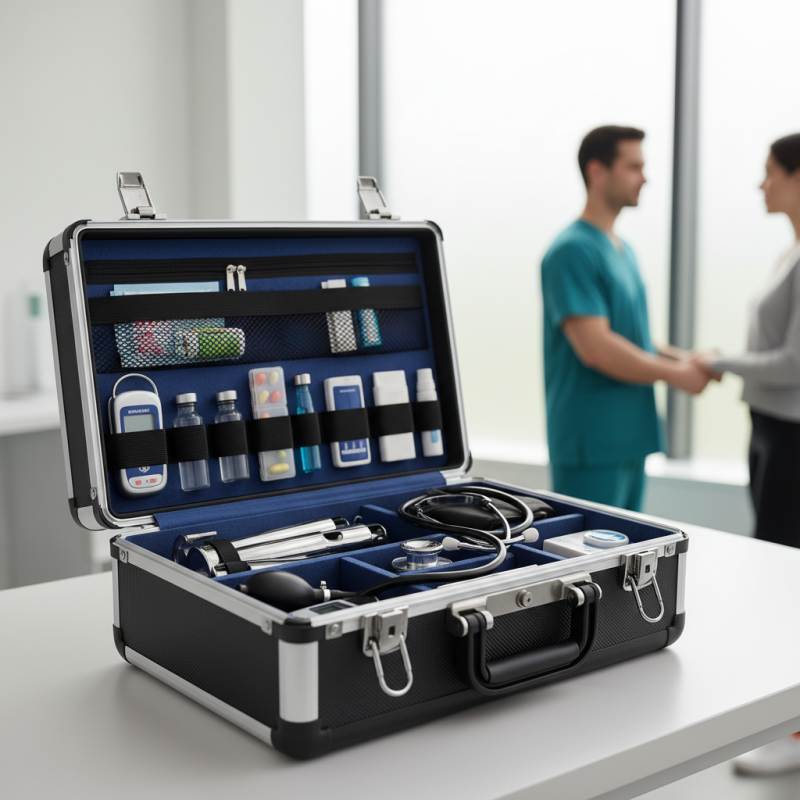
A medical carrying case is designed to hold medical supplies securely. It's essential for anyone needing to transport medications, first aid kits, or medical devices. These cases come in various sizes and materials, ensuring safety and accessibility. Quality cases prevent damage to sensitive items.
When selecting a medical carrying case, consider the size and compartments. Ensure it fits everything you need, but also remains portable. Look for cases with cushioning to protect fragile items. Weather-resistant materials can be a real lifesaver during outdoor activities.
Tips: Always organize contents for quick access. Regularly check expiration dates on medications. Customize your case to reflect your specific needs and lifestyle. Each case should be unique, just like its owner. Reflect on what works and what may need improvement.
Key Features of an Effective Medical Carrying Case
A medical carrying case is essential for anyone who requires easy access to medications or medical supplies. It offers protection and organization, making it a vital tool for patients and caregivers. An effective case not only secures items but also provides essential features that enhance its usability.
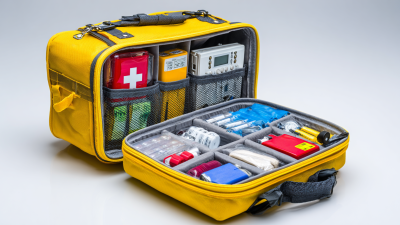
Key features should include durable materials that resist wear and tears. Look for water-resistant fabrics to protect contents from spills. The interiors should have multiple compartments. This design keeps medications and supplies neatly organized and easy to find. A secure closure system, like zippers or Velcro, prevents accidental openings.
Tips: Consider cases with adjustable dividers for customization. This can accommodate varying sizes of medical items. Additionally, a lightweight build is useful for portability. You want a case you can carry without strain. It’s crucial to assess your specific needs. One size does not fit all. Remember, a well-chosen medical carrying case can save you time and stress in emergencies.
What is a Medical Carrying Case and Why Do You Need One? - Key Features of an Effective Medical Carrying Case
| Feature |
Description |
Importance |
| Durable Material |
Made from strong, weather-resistant fabrics. |
Ensures long-term use and protects contents from damage. |
| Multiple Compartments |
Includes various pockets and dividers for organization. |
Facilitates quick access to different medical supplies. |
| Portability |
Lightweight with comfortable handles or straps. |
Easy to transport, especially during emergencies. |
| Water Resistance |
Protects contents from water exposure. |
Keeps medical supplies dry, ensuring they remain effective. |
| Easy Identification |
Bright colors or labels for quick recognition. |
Speeds up retrieval during emergencies. |
Different Types of Medical Carrying Cases Available
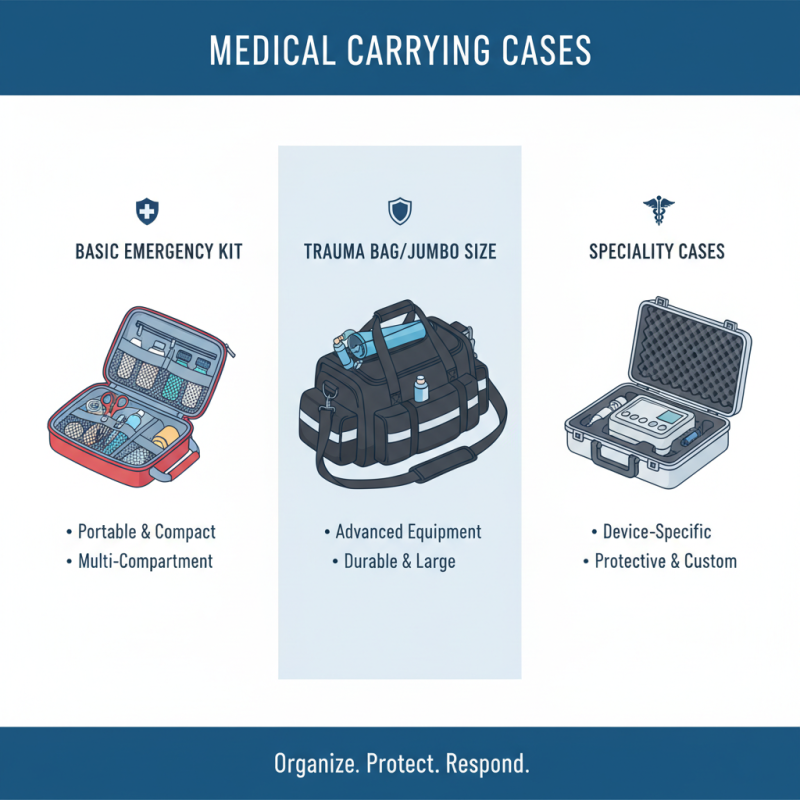
Medical carrying cases come in various types, each designed for specific needs. A basic emergency medical kit case is portable and easy to manage. These cases often feature multiple compartments, allowing you to organize supplies efficiently. For instance, they can hold bandages, antiseptics, and other essential medical tools.
Another common type is a specialized case for chronic conditions. These cases cater to individuals requiring consistent medication. They often include compartments for pill organizers or injection supplies. Moreover, these cases may have insulation to keep medications at the right temperature. This is especially crucial for travelers who need to manage their health on the go.
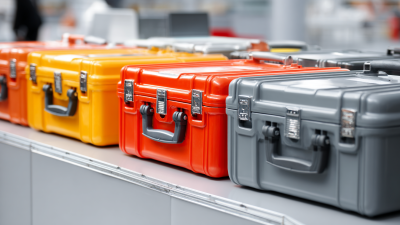
There are also sturdy hard-shell medical cases. These are ideal for transporting delicate medical equipment. They provide protection against impacts and environmental factors. However, they can be cumbersome, and sometimes they do not offer enough organization for smaller supplies. It's essential to weigh the need for durability against the convenience of access. Choosing the right case often requires introspection about individual needs and lifestyles.
Essential Uses for a Medical Carrying Case in Healthcare
A medical carrying case is an essential tool in healthcare. It provides a safe way to transport medical supplies and equipment. These cases come in various sizes and designs. They can hold everything from first aid kits to portable diagnostic tools. For healthcare professionals, having a reliable carrying case is crucial.
In emergencies, time is critical. A well-organized medical carrying case allows for quick access to necessary items. It reduces the risk of forgetting vital supplies. Nurses and paramedics can respond efficiently. Additionally, these cases offer protection against environmental factors. They help keep equipment safe from damage.
However, not all cases are created equal. It's important to choose one tailored to specific needs. A case that is too large can become cumbersome. Conversely, one that is too small might not accommodate all supplies. Assessing the frequently used items can lead to better organization. Continuous reflection on the effectiveness of the chosen case can enhance preparedness in the field.
Essential Uses for a Medical Carrying Case in Healthcare
Factors to Consider When Choosing a Medical Carrying Case
When selecting a medical carrying case, consider the intended use and environment. Think about your daily activities and potential scenarios. Will the case often be exposed to moisture or rough handling? A waterproof and durable design will be essential in such conditions. Features like easy-to-clean interiors can make maintenance simpler, especially after spills or accidents.
Size is another critical factor. Ensure that the case can hold all necessary medical supplies without being overly bulky. A compact case may be ideal for everyday carry, while a larger one might be needed for extensive medical kits. Mobility often matters as well. Look for cases with ergonomic handles or wheels if frequent transportation is expected.
Finally, review the internal organization options. Pockets, compartments, and adjustable dividers help you keep everything organized. However, too much organization can lead to wasted space. Reflect on your specific needs to determine the right balance. You want everything accessible but not overcrowded. The right case enhances preparedness, but choosing it can be tricky. These choices must align with personal use and medical requirements.