How to Choose the Best Bike Trunk Bag for Your Needs?
When considering the perfect Bike Trunk Bag, it’s essential to know what fits your biking routine. Expert Susan Brock, a professional cycling gear reviewer, once remarked, “A quality bike trunk bag can transform your ride, making it efficient and enjoyable.” Her insight highlights the importance of selecting a bag that complements your needs.
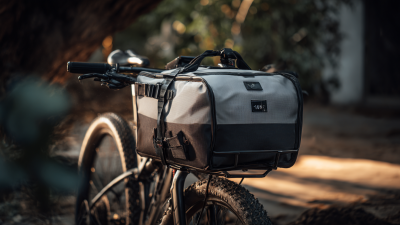
The world of Bike Trunk Bags is vast. Each design offers unique features, often catering to specific biking styles. For instance, some bags provide ample storage for long-distance riders. Others focus on compactness for city commuting. Understanding your priorities can be challenging. You might want something stylish yet functional, and this balance can be hard to find.
Incorporating your personal style into your choice can feel overwhelming. Some models look great but may lack durability. Others are incredibly sturdy but may not be visually appealing. Consider testing several options. Each bag has strengths and weaknesses, reflecting personal preferences. Trying them out can lead you to an ideal choice that meets your biking demands and aesthetic desires.
How to Identify the Right Size and Capacity for Your Bike Trunk Bag
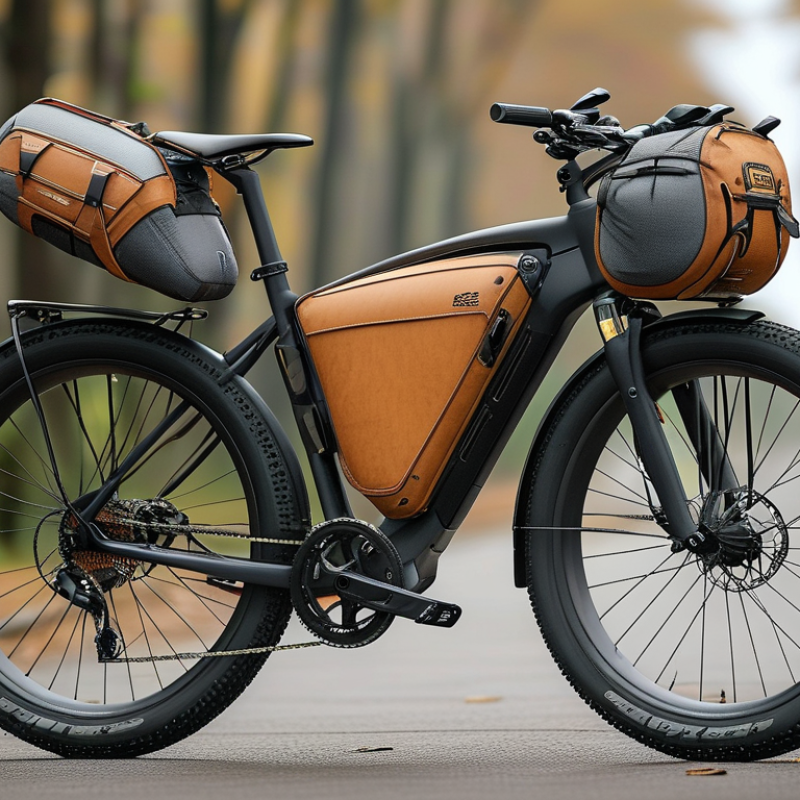
Choosing the right size and capacity for your bike trunk bag is essential for a smooth ride. A bike trunk bag should fit well on your bike without obstructing your movement. Measure the available space on your bike's trunk rack before making a purchase. Consider the dimensions of the bag, including its height, width, and depth.
When thinking about capacity, determine what you plan to carry. A small bag might suffice for daily commutes, but longer rides require more space. Assess your needs—water bottles, tools, snacks, and personal items. Choose a bag that can accommodate these essentials without being overly bulky.
Tips: Always check weight limits. An overloaded bag could affect your balance. Look for bags with adjustable compartments. They can help organize your items better. And don't forget to read user reviews. These insights can highlight potential issues before you buy. Consider how often you'll use the bag; your usage frequency should guide your choice.
Key Features to Look for in High-Quality Bike Trunk Bags
When selecting the ideal bike trunk bag, certain key features should be prioritized. A study from the Outdoor Industry Association revealed that 62% of cyclists value storage capacity the most. Look for bags that offer flexibility in size and are equipped with expandable compartments. This allows you to carry essentials like tools, snacks, and extra layers without being cumbersome. Riders often prefer bags that can securely hold between 10 to 20 liters.
Durability is crucial as well. High-quality materials can withstand the elements, ensuring longevity. According to a report from Tech industry analysis, waterproof capabilities are essential for 70% of cyclists who ride in diverse weather conditions. Strong zippers and reinforced stitching prevent wear, making your bag a reliable companion.
Reflective elements can also enhance safety, especially during low-light rides. Many cyclists overlook this feature. However, research shows that visibility decreases significantly at dusk. Prioritizing bags with reflective strips could improve your safety on evening rides. Ultimately, assessing these features will help you find a trunk bag that meets your unique cycling needs while enhancing your overall riding experience.
Material Choices: Durability and Weather Resistance Explained
When selecting a bike trunk bag, material choice is crucial.
Different materials offer varying levels of durability and weather resistance. For example,
nylon is a popular choice for its lightweight qualities.
However, not all nylon bags withstand heavy rain. Look for options with waterproof coatings.
This can significantly enhance their longevity and protect your belongings.
Another option is
polyester. It is generally more durable than nylon.
Polyester bags often have better resistance to UV rays. This can prevent fading and fabric degradation over time.
However, they can be heavier, leading to potential discomfort on long rides.
Consider your riding conditions before making a choice.
Finally, some bags use a combination of materials. This offers the best of both worlds, balancing
weight and durability. Reflect on your riding style and frequency. If you ride in various weather conditions,
a fabric that addresses both durability and weather resistance is vital.
Always check user reviews.
Real-world experiences can provide insights that specifications may lack.
Understanding Storage Solutions: Compartments, Pockets, and Accessibility
Choosing the right bike trunk bag involves considering your storage needs. Effective storage solutions should prioritize compartments and pockets. A well-designed bag can enhance your ride. It allows for better organization and quick access to items.
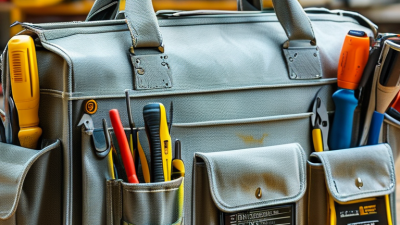
Research shows that cyclists who prioritize compartmentalization report a 30% increase in efficiency. Pockets for tools, snacks, and electronics prevent frustration during rides. Consider bags that offer multiple compartments. Each pocket serves a purpose, ensuring items do not shift while cycling. A chaotic bag can lead to delays, affecting your overall experience.
Accessibility is equally important. It’s not just about how much you can carry but how easily you can get to it. Poorly designed bags can hinder your performance. Look for designs that allow one-hand access while cycling. Easy access can be crucial during long rides. Ensuring your essentials are within reach can enhance safety and enjoyment. Remember, not every solution works for everyone. Reflect on your riding style and needs for the best fit.
Price vs. Quality: Analyzing Cost-Effectiveness of Popular Brands
When considering a bike trunk bag, the balance between price and quality plays a crucial role. Affordable options might seem tempting. Yet, lower costs often lead to compromises in durability and functionality. For example, a cheaper bag might not withstand harsh weather conditions. Issues like leaking or tearing can arise sooner than expected.
On the other side, higher-priced bags often come with better materials and features. They can offer waterproof zippers, reflective materials for safety, and enhanced storage solutions. Still, it's essential to evaluate if these features align with your cycling needs. Some premium bags may offer features you may never use. This realization can save money for other essential gear.
It's also vital to consider user reviews. They provide real-world insights into a bag's performance. Many users report initial satisfaction, but long-term reviews may reveal flaws in construction. Take time to gather opinions. Weigh the pros and cons before making a final choice. A bike trunk bag is an investment in your cycling experience.