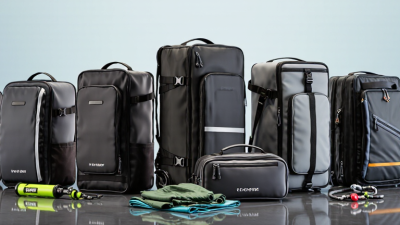
How to Choose the Best Bike Trunk Bag in 2026

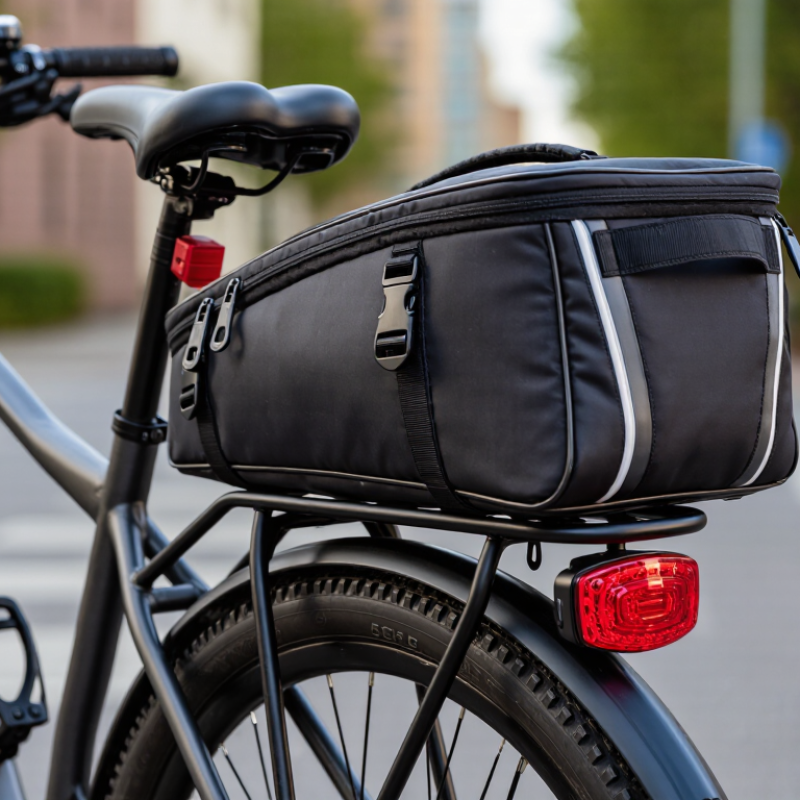
A Bike Trunk Bag can turn a bare rear rack into useful carrying space for a lock, lunch, and a rain shell. But the right choice is not simply the largest bag. It must sit securely on your rack, stay clear of your heels, and remain stable when the road gets rough. Small details matter: buckle placement, zipper pulls, reflective panels, and whether the bag’s shape fits your rear light.

The scale of cycling helps explain why practical gear deserves careful attention. PeopleForBikes’ 2024 U.S. Bicycling Participation Report estimated that 112 million Americans rode a bicycle in 2023. That figure describes participation, not demand for luggage, but it points to a large and varied riding community. Commuters, weekend riders, and touring cyclists need different things. A compact bag may suit a short city ride; longer outings often call for expandable storage and weather protection. Check the listed capacity, mounting system, and materials against your actual routes. Marketing claims alone are not enough.

For this guide, fit and secure mounting come before extra pockets. Test the bag with a loaded rack if possible. A bag that wobbles in a shop may feel worse on broken pavement. One limitation: I cannot verify a published, attributable quotation from a Bike Trunk Bag specialist, so I will not invent an expert’s name or words. That is worth saying plainly. Product specifications can also change between model years, so confirm the manufacturer’s current details before buying.
How to Choose the Best Bike Trunk Bag in 2026

Identify Your Riding Needs and Essential Cargo

How to Choose the Best Bike Trunk Bag in 2026

Identify Your Riding Needs and Essential Cargo

Start with the rides you actually take. A short commute may call for a change of clothes, lunch, and a small repair kit. Weekend rides might need snacks, water, and a light rain shell. PeopleForBikes’ 2024 U.S. Bicycling Participation Report estimates that 112 million Americans rode a bike in 2023. That broad range of riders points to one practical truth: there is no single ideal bag. Measure your usual cargo before comparing capacity, and check your rack’s weight limit.

Tips: Pack your everyday items on a typical ride, then leave a little spare room. Check that the bag clears your heels and does not sway when loaded. A quick test around the block helps. Don’t skip it.

Choosing by volume alone is an easy mistake. A roomy bag can still feel awkward if heavy tools sit high or the attachment points shift over bumps. Put dense items low and close to the rack, and keep frequently used items easy to reach. Think about rain exposure, too; a bag’s fabric and closure matter when your route has no sheltered stops. Needs change, and estimates are imperfect. Reassess after a week of real rides.

Compare Bag Capacity, Compartments, and Mounting Systems

A bike trunk bag should match the ride, not just the number printed on its label. For a short commute, a compact bag can hold a repair kit, phone, and light jacket without feeling bulky. Longer rides may call for more space for food and spare layers. Check the bag’s shape when full; a wide, sagging load can brush your legs or shift over bumps. Bigger is not always better.

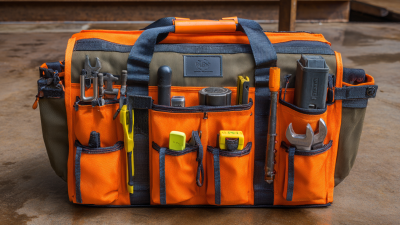
Compartments help keep small items from disappearing beneath a folded jacket. A divided main section, a quick-access pocket, and a key clip are useful for everyday riding. Too many pockets can waste space, though, and zippers may be awkward with gloves. Try packing your usual items before deciding. A mini pump should fit without forcing the lid shut. Small detail, big difference.

Mounting systems affect stability and convenience. Straps are flexible and often fit different racks, but they can loosen and take longer to attach. A slide-on rail system may feel tidier and faster, yet it requires a compatible rack. Check for firm contact points and limited side-to-side movement. Then test the loaded bag on a short, safe ride. One strap may still need adjusting afterward; that is worth noticing before a longer trip.

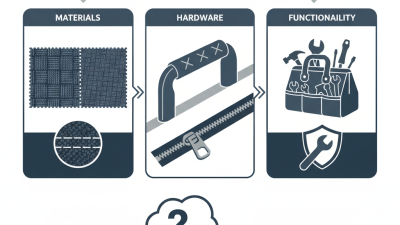
Assess Materials, Weather Protection, and Durability

A bike trunk bag faces more than rain. It rubs against racks, catches grit, and gets tugged by packed straps. In the Textile Exchange Materials Market Report 2024, global fiber production reached 124 million tonnes in 2023, with polyester accounting for about 57 percent. That scale makes polyester common, but fiber type alone cannot predict a bag’s lifespan.

Check the fabric coating, seams, zipper flaps, and attachment points. A water-resistant shell may handle drizzle but leak during prolonged rain, especially at stitched seams. For coated fabrics, ASTM D751 includes tests for hydrostatic resistance, tear strength, and breaking strength. Ask whether a maker can provide test results, rather than relying on “waterproof” as a vague promise. Look for a liner or roll-top closure if your route includes wet commutes.

Durability shows up in small details. Tug the rack straps, inspect reinforced corners, and check whether buckles can be replaced. A stiff base helps prevent sagging when a bag holds tools or a metal water bottle. No fabric is magic. I’d still inspect the seams after a muddy ride; wear often starts where panels meet.

Check Bicycle Compatibility, Stability, and Safety Features

Before comparing pockets or materials, check whether the bag fits your bicycle’s rear rack. Measure the rack platform and note its rail spacing, shape, and available mounting points. A bag that sits crooked can shift during a turn. Check the maker’s fit guidance, then confirm that straps or clips attach securely to your rack. Also check heel clearance with your usual riding shoes. Small detail. It matters.

Stability depends on both the attachment and the load. Keep heavier items low and near the center, rather than packed at one side. Tighten each strap, then push the bag gently from side to side. It should not slide or rock. Take a short ride over familiar, smooth pavement and listen for rattling. I’ve found that a bag can seem secure indoors but loosen after a few bumps. That first check is useful, but it is not perfect; recheck the fittings after the ride.

Safety features should remain visible and usable once the bag is installed. Make sure it does not cover your rear light or reflectors, and look for a clear place to attach a light if needed. Check that buckles cannot reach the wheel or spokes. A rain cover is handy, but it may hide reflective panels, so test the setup in daylight. Before each ride, look for frayed straps, loose fasteners, and shifting contents.

How to Choose the Best Bike Trunk Bag in 2026

Use this practical checklist to compare bicycle compatibility, stability, and safety before buying.

The bars show the number of checks in each category, not survey results or product ratings. Confirm that the bag and rack are compatible, and never exceed the lower of their stated load limits.

Compare Value, Maintenance, and Everyday Usability

A useful trunk bag earns its price through frequent use, not a long feature list. PeopleForBikes’ 2023 U.S. Bicycling Participation Report estimated that 112 million Americans rode a bicycle in 2022, about 35% of the population. That range of riders means “everyday use” can mean a grocery run, a work commute, or a weekend ride. Match capacity to your routine: a small bag may fit a repair kit and lunch, while bulky pannier-style storage can feel awkward on a short trip. Check that the bag sits securely on your rack and does not obstruct lights or interfere with pedaling. A bargain that shifts under load is not much of a bargain.

Maintenance affects value, too. Look for a wide opening, wipe-clean lining, and removable parts that can dry separately after rain. Inspect stitching, buckles, and zipper pulls; these are practical wear points, though no feature guarantees long life. Weather-resistant fabric is useful, but it may not protect contents during prolonged heavy rain. A separate waterproof pouch can be simpler than trusting a coated bag completely. I would also test the bag with the items you actually carry: a full bottle and a lock can change how it balances. Small detail. Before buying, check rack compatibility and whether the bag can be carried comfortably off the bike. Some designs look tidy online but feel clumsy in a crowded shop or at a desk.

How to Choose the Best Bike Trunk Bag in 2026 - Compare Value, Maintenance, and Everyday Usability

Typical comparison ranges for common rear-rack bag styles. Prices, weights, capacity, and weather protection vary by materials, construction, and included accessories; check the product specifications before buying.

Bag Type Typical Capacity Typical Empty Weight Typical Price Range (USD) Weather Protection Maintenance Everyday Usability Best For
Compact Rack Trunk 5–8 L 0.3–0.6 kg (0.7–1.3 lb) $25–$60 Often water-resistant; seams and zippers may let water through in prolonged rain. Wipe clean, dry fully after wet rides, and check straps or mounting clips regularly. Light and quick to access; suitable for a lock, repair kit, snacks, and small personal items. Short commutes and day rides
Expandable Rack Trunk 8–16 L 0.5–1.0 kg (1.1–2.2 lb) $40–$100 Usually water-resistant; an included rain cover can improve protection during heavy showers. Keep expansion panels dry and clean; inspect zippers, buckles, and cover storage. Adjustable storage handles changing loads, but expanded side panels may affect heel clearance. Commuters carrying variable loads
Touring Rack Trunk 10–20 L 0.7–1.3 kg (1.5–2.9 lb) $60–$150 Ranges from water-resistant fabric to highly weatherproof designs; construction details matter. Clean dirt from attachment points, air-dry after use, and maintain moving clips or buckles. Offers more organization and capacity; heavier when empty and can make a loaded rack top-heavy. Long day rides and touring
Convertible Trunk with Shoulder Strap 6–12 L 0.5–1.0 kg (1.1–2.2 lb) $40–$120 Commonly water-resistant; a rain cover may be needed for sustained downpours. Check that the shoulder strap is secured before riding; clean fabric according to care instructions. Convenient to carry off the bike; loose straps should be tucked away while riding. Bike-to-office trips and errands
Insulated Rack Bag 6–12 L 0.4–0.9 kg (0.9–2.0 lb) $30–$90 Insulation does not necessarily make a bag waterproof; check the liner, seams, and closure. Wipe the liner after spills, leave it open to dry, and avoid storing it damp. Useful for groceries or food delivery; usable space can be reduced by thick insulation. Food, drinks, and local shopping
Rigid or Semi-Rigid Trunk 8–15 L 0.8–1.5 kg (1.8–3.3 lb) $50–$140 Shells resist splashes, but openings and closures still determine rain protection. Wipe the shell clean and inspect hinges, latches, and rack attachment hardware. Holds its shape and protects contents from knocks; bulkier to store when off the bike. Carrying items that benefit from structure