How to Choose the Best Bike Rack Bag for Your Needs?
Choosing the right Bike Rack Bag can significantly enhance your cycling experience. As cycling expert Jane Smith once said, “A well-chosen bag makes your ride smoother and more enjoyable.” The right bag should fit your bike and hold your gear securely.
When exploring options, consider the size and style. Think about what you need to carry. Whether it’s tools, snacks, or clothes, the bag must be functional. Look for durability and weather resistance. After all, biking often exposes bags to various elements.
However, many overlook the importance of comfort. A bag that shifts during a ride can ruin your experience. Evaluate whether the mounting system suits your bike type. Choosing the right Bike Rack Bag may require some trial and error. Reflecting on your needs can lead to better choices in the future.
Understanding Different Types of Bike Rack Bags Available in the Market
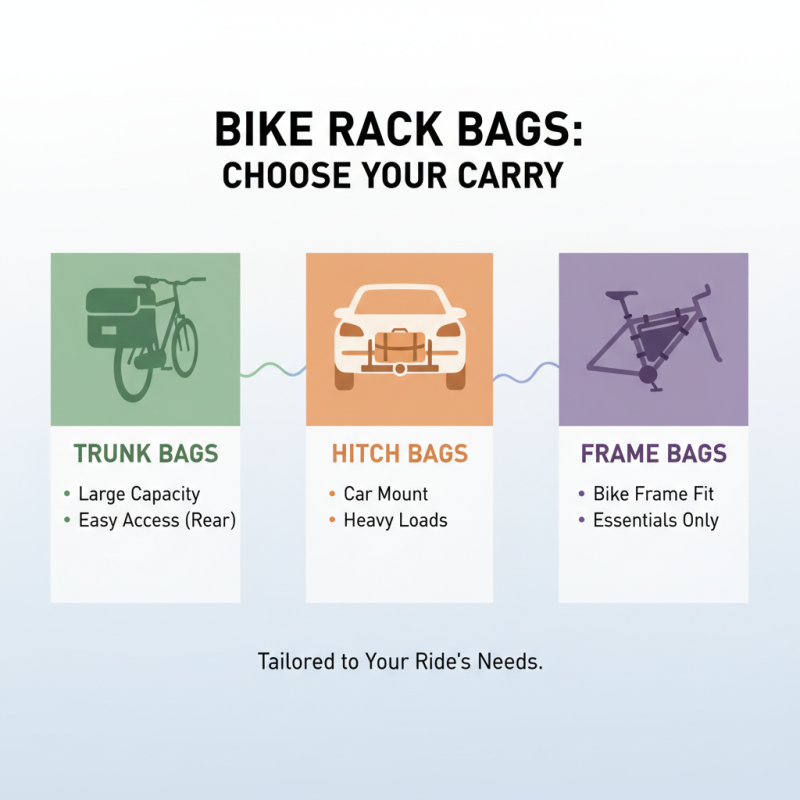
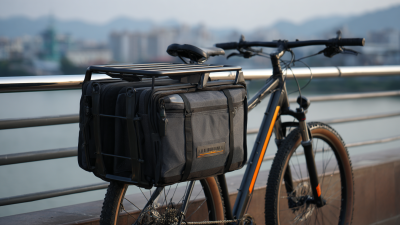
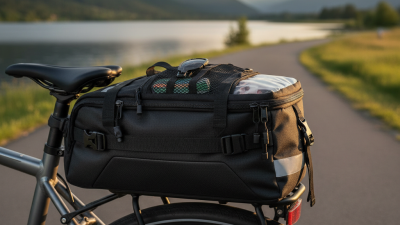
When selecting a bike rack bag, it’s essential to recognize the variety available. There are three main types: trunk bags, hitch bags, and frame bags. Each has unique features tailored to different needs. Trunk bags are often larger and can hold multiple items. They attach directly to the rear of your bike, making them easy to access.
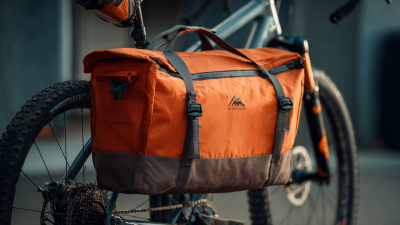
Hitch bags, on the other hand, are compact. They typically hold essential items like tools and snacks. Their design means they are less bulky but may not carry larger objects. Frame bags fit snugly within the bike's frame. They are great for balancing weight but can be limited in space.
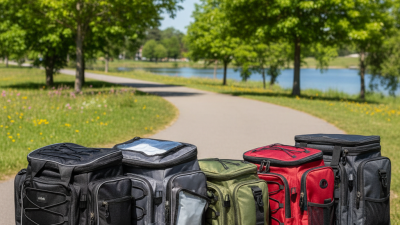
When pondering which one to choose, consider your riding style and trips. If you often go on longer rides, trunk bags may serve you better. However, if quick jaunts or urban commutes are your routine, a hitch bag or frame bag might suffice. Reflecting on your personal riding habits can guide your decision. Think about what you often carry. Do you need room for extras? Or just the essentials? The right bag should enhance your ride, not complicate it.
Identifying Your Specific Storage Needs and Usage Scenarios
When choosing a bike rack bag, it’s essential to identify your specific storage needs. Think about what you typically carry. Do you need room for tools, snacks, or a change of clothes? Consider your daily commute versus weekend adventures. Perhaps you need a bag that can accommodate both.
Usage scenarios also play a critical role in your selection process. Are you biking through the city or on rugged trails? Urban biking often calls for sleek designs with easy access. Off-road rides may require more durability and robust features. Reflect on the weather conditions too. Waterproof materials can be a lifesaver in unexpected rain.
It's easy to overlook small details. For example, a bag with external pockets can provide quick access to essentials. However, too many compartments might complicate organization. Finding balance is crucial. Think critically about what works best for your lifestyle. It’s a learning process, and sometimes, your first choice might not be the best fit.
How to Choose the Best Bike Rack Bag for Your Needs?
| Bag Type |
Storage Capacity |
Weight |
Material |
Ease of Installation |
Best Use Case |
| Saddle Bag |
1-2 liters |
100-200 grams |
Nylon |
Very Easy |
Short Rides |
| Rear Rack Bag |
10-20 liters |
500-800 grams |
Waterproof Polyester |
Moderate |
Commuting |
| Pannier |
40-70 liters |
1-2 kg |
Heavy-Duty Fabric |
Complex |
Long Distance Touring |
| Frame Bag |
1-5 liters |
200-400 grams |
Ripstop Nylon |
Easy |
Bikepacking |
| Handlebar Bag |
5-10 liters |
400-700 grams |
Canvas |
Very Easy |
Daily Commutes |
Evaluating Material and Durability for Long-term Performance
When selecting a bike rack bag, material and durability are crucial.
Look for robust fabrics that resist wear and tear. Nylon and
polyester are popular choices. These materials can
withstand various weather conditions while remaining lightweight. It’s wise to check
the stitching quality as well. Poorly stitched seams can compromise the bag's lifespan.
Consider the bag's waterproof capabilities. If you ride in
different climates, this feature may be essential. A bag that isn’t waterproof can lead
to ruined contents. Think about how often you will use it. Heavy users may need more
durable options. Reflect on your typical ride distance and conditions too.
Aesthetics matter, but functionality should come first. Color and design may attract
you, but don’t let that overshadow durability. Sometimes, an attractive bag can be less
effective. Read reviews and look at user feedback to gather insights. Remember, what
works for others might not suit your specific needs. Always weigh the pros and cons
before making a choice.
Checking Compatibility with Your Bike and Rack System
When selecting a bike rack bag, compatibility with your bike and rack system is crucial. A recent industry report indicated that 70% of bike owners faced issues when attaching bags due to mismatched systems. Many bags are designed for specific rack types, such as trunk, hitch, or roof racks. Understanding your bike’s frame and the type of rack you own can save time and frustration.
Measuring your rack’s dimensions is essential. Most bags come with specific measurement guidelines. If your bag doesn’t fit just right, it can alter your bike's handling. Many users report wobbling or instability when the bag is improperly secured. Additionally, it’s important to consider weight limits. A heavy bag can strain lighter rack systems, compromising safety. Reflect on your riding style and how often you use your bike. Frequent riders should prioritize functionality and ease of attachment over aesthetic features.
Lastly, check for secure attachment mechanisms. Loose straps or weak clips can lead to disastrous outcomes. According to the National Highway Traffic Safety Administration, around 4,000 accidents occur annually due to unsecured loads. Finding a strong, reliable rack bag that matches your bike’s specifications can make all the difference. Always cross-check compatibility to enhance your biking experience.
How to Choose the Best Bike Rack Bag for Your Needs?
This bar chart illustrates the importance rating of various factors when choosing the best bike rack bag. Compatibility with your bike and rack system is the highest priority, followed by capacity and durability. Price is considered the least important factor among these criteria.
Comparing Price Ranges and Features for Value Selection
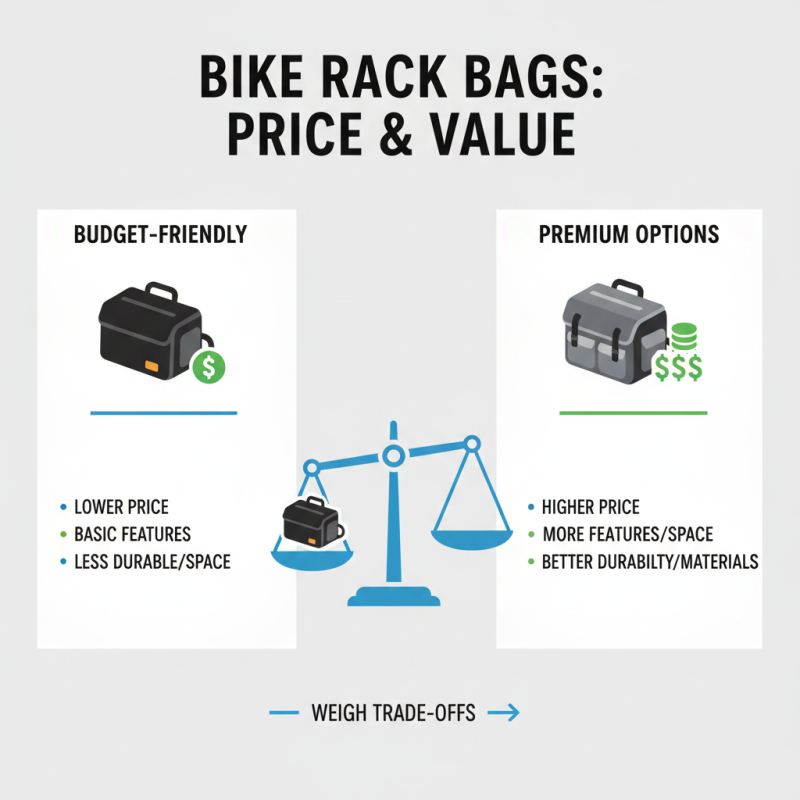
When selecting a bike rack bag, price is a key consideration. Budget-friendly options are available, offering basic features and functionality. However, these may lack durability or space. Higher-priced bags often boast additional pockets, better materials, and longer-lasting performance. Weighing these trade-offs is essential.
Consider the features you need. Some bags come with waterproof capabilities, which can be crucial for cyclists. Others may have reflective strips for added safety during night rides. Functionality should match your ride style. A minimalist design suits some, while others may prioritize storage space. Noticing imperfections in a bag's stitching or zipper quality is wise. These details can impact longevity.
Think about the size. A too-small bag may limit what you can carry. Meanwhile, an oversized bag can be bulky and unwieldy. Finding that perfect balance is important. You may need to experiment with different styles and sizes. This could lead to some dissatisfaction initially. However, with careful exploration, a suitable option will emerge.