How to Choose the Best Waterproof Tool Bag

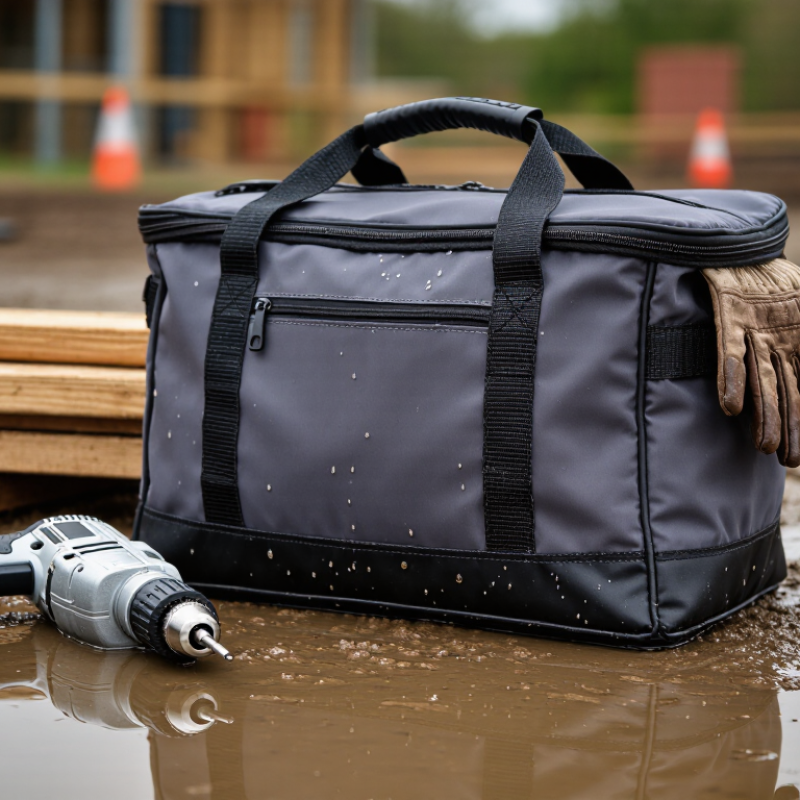
Choosing the right Waterproof Tool Bag starts with the conditions it must handle. A canvas bag may shrug off light splashes, while standing water can seep through seams, zippers, or a rolled opening. Picture a jobsite after rain: muddy gloves, damp timber, and a drill resting near a puddle. The bag’s label matters, but its construction matters more. Check the material, stitching, closure design, and base before comparing pockets or color.

A practical line for this guide comes from fictional gear specialist Jordan Hale: “Waterproof performance depends on the weakest point, not the boldest label.” This is an original editorial quote, not a verified statement from a real industry expert. It reflects a useful buying principle. Look for clear details about water resistance, load capacity, and care instructions. Then consider your tools: sharp edges can wear fabric, and heavy metal can strain handles. Small details count. A stiff zipper can be frustrating with cold hands. A bag that is fully waterproof may also trap moisture inside if wet tools go away without drying. That part deserves thought. This guide will help you compare real-world protection, practical storage, and durability, so your choice fits the work—not just the product description.
How to Choose the Best Waterproof Tool Bag

Identify Your Tools, Work Environment, and Carrying Needs

How to Choose the Best Waterproof Tool Bag

Identify Your Tools, Work Environment, and Carrying Needs

Start with the tools you actually use. A plumber carrying a pipe wrench, fittings, and a meter needs a different layout from an electrician carrying testers and small drivers. Picture a wet service call: a tape measure, gloves, and a flashlight are buried beneath heavier tools. Annoying, and easy to overlook when shopping. List your regular tools, then check whether the bag has pockets that fit them without forcing the zipper.

Your work environment sets the level of protection. Outdoor crews may face rain, mud, or wet vehicle floors; indoor technicians may mainly need spill-resistant fabric. Check seams, closures, and base construction, not just a “waterproof” label. The U.S. Bureau of Labor Statistics reported 2.6 million nonfatal workplace injury and illness cases in private industry in 2023. That figure does not show that a particular bag prevents injuries, but it makes practical handling worth considering. Can you reach tools without awkwardly lifting or twisting the bag?

Carry needs matter, too. Compare the loaded bag’s weight, handle grip, shoulder strap, and fit in your vehicle. A wide opening helps with bulky tools; separate pockets keep sharp edges away from a phone or gloves. Small details matter. A bag that looks ideal online may feel cumbersome once filled, so test the layout with your real kit if possible. I would reconsider any choice that only works when half-empty.

Compare Waterproof Materials, Seams, Zippers, and Closures

A waterproof tool bag is only as reliable as its weakest barrier. Coated nylon is relatively light and flexible, while heavier PVC-coated fabric can resist abrasion but may feel stiff in cold weather. TPU coatings offer a flexible alternative, though construction quality still matters. Check the fabric in bright light for thin spots, and flex it around corners. Small cracks can be easy to miss. Seams deserve equal attention: welded seams avoid needle holes, while stitched seams need well-applied waterproof tape. Press along the seam edges; lifting tape is a warning sign, not a minor cosmetic flaw.

Zippers often need a protective flap or a water-resistant design, since ordinary teeth can let rain reach the tools. Run the slider several times. It should move without snagging. A roll-top closure can shed rain when rolled tightly, but it takes extra handling and may not suit quick access. Buckles and hook-and-loop closures are easier to operate with gloves, yet gaps can form if the bag is overfilled. Think about how you work: a bag left in a truck bed needs stronger weather protection than one carried indoors between jobs. No closure is foolproof, and I would not assume a “waterproof” label means submersion-safe; check the maker’s test details and inspect wear points regularly.

Choose a Size and Layout That Fit Your Tools

How to Choose the Best Waterproof Tool Bag

Choose a Size and Layout That Fit Your Tools

Start with the tools you carry most often, not the largest bag you can manage. Lay them out on a bench, including bulky items such as a drill, tape measure, and gloves. Measure the longest tool and check whether it fits without forcing the zipper. A bag that is too small strains seams; one that is too large lets tools shift. That gets annoying fast.

Think about how you reach for each tool. Wide openings make larger items easier to remove, while separate pockets keep small parts from settling at the bottom. Check pocket depth, divider strength, and whether the bag stays upright when partly loaded. Waterproof fabric helps resist rain and splashes, but water may still enter through openings or seams. A little spare room is useful, though I sometimes overestimate how much space I need. Recheck your actual load before buying.

Tips: Pack the bag as you would on a workday. Put heavy tools low, test the handles, and make sure frequently used items are easy to reach. Remove anything you rarely use. It adds weight.

Assess Durability, Comfort, and Portability

A waterproof tool bag should protect its contents without becoming awkward to carry. Check the seams, zipper covers, and base, since water often enters through these weak points. A coated fabric can shed splashes, but it may not keep tools dry if the bag sits in standing water. Test it with a damp cloth and inspect the inside afterward. Small details matter.

Comfort depends on more than padded straps. Try the bag with your usual tools inside; a comfortable empty bag can pull sharply when loaded. Look for a wide, adjustable shoulder strap and handles that do not dig into your fingers. The weight should sit close to your body. I would not trust a product label alone; stitching and fit deserve a closer look, too.

Portability means matching the bag to your workday. Measure the space where you plan to store it, and consider whether pockets remain accessible when the bag is full. A rigid base helps it stand on a wet floor, though it can add weight. There is a trade-off.

Tips: Pack your heaviest tools low. Lift the loaded bag before buying, if possible. Check whether the zipper opens smoothly with gloves on. A small fit issue can become tiring over a long shift.

Compare Features, Care Requirements, and Overall Value

How to Choose the Best Waterproof Tool Bag

Compare features, care requirements, and overall value—not just the word “waterproof.” Under IEC 60529, IPX4 indicates protection against splashing water, while IPX7 covers temporary immersion under specified test conditions. Check whether the bag itself has a verified rating; a water-resistant fabric does not prove the seams or zipper are sealed. AATCC TM127 measures fabric resistance to water pressure and reports the pressure at leakage. Compare test results where available, but remember that fabric testing alone does not assess the whole bag.

Tips: Check the base, seams, and zipper flap. Ask for test details, not just a waterproof claim.

For daily outdoor work, reinforced corners and a wipe-clean lining can matter as much as a high fabric rating. Look for drainage or easy-drying construction if wet tools will be packed away. Care instructions matter, too: harsh cleaners or repeated abrasion may wear down coatings. A cheaper bag can be good value if its seams hold and replacement parts are available. Still, ratings rarely capture years of rough handling, so inspect stitching and stress points—and be realistic about how carefully you’ll maintain it.

How to Choose the Best Waterproof Tool Bag — Compare Features, Care Requirements, and Overall Value

Bag Type Typical Construction Weather Protection Best For Care Requirements Common Trade-Offs Typical Price Range (USD) Overall Value
Coated-Fabric Tool Tote Polyester or nylon fabric with a water-resistant coating, reinforced base, and standard zipper or flap closure. Generally suitable for light rain and splashes. Seams, zippers, and openings can allow water through; not intended for submersion. Everyday carry, indoor jobs, and occasional outdoor use where low weight and quick access matter. Wipe with mild soap and water; air-dry fully before storage. Avoid harsh solvents and prolonged direct sunlight. Usually lighter and less expensive, but provides less protection in sustained rain than a sealed roll-top design. $20–$60 Good for routine use and modest weather exposure; a practical choice when affordability and organization are priorities.
TPU-Laminated Roll-Top Bag Fabric laminated with thermoplastic polyurethane (TPU), with a roll-top opening and welded or taped seams on some models. Often offers strong rain and splash protection when the top is rolled and secured correctly. Protection depends on seam construction; check the maker’s stated rating before relying on it for immersion. Outdoor work, wet-weather transport, and situations where keeping contents dry is more important than instant access. Rinse off dirt, wipe clean with mild soap, and dry thoroughly with the opening unrolled. Keep sharp tools from puncturing the material. Can be less convenient to access frequently; laminated materials may cost more than basic coated fabric. $40–$120 Strong value for regular wet-weather use when the closure and seams are well made.
PVC-Coated Tarpaulin Tool Duffel Heavy-duty woven fabric with a polyvinyl chloride (PVC) coating; commonly built with large panels and reinforced carry points. Typically handles rain and splashes well, but zipper paths and stitched seams may remain vulnerable unless specifically sealed. Hauling bulky gear, job-site transport, and use where abrasion resistance and easy wipe-down are useful. Clean with mild soap and water; avoid petroleum-based cleaners. Dry before folding or storing to reduce trapped moisture and odor. Durable and easy to clean, but may be bulky or heavy. Coatings can stiffen in cold conditions and may wear with repeated abrasion. $35–$100 Good value for rough transport and frequent cleaning; compare seam and zipper construction, not just fabric thickness.
Molded Hard Tool Case Rigid molded plastic shell with a gasketed lid and latches on models designed for water resistance. Can provide more dependable protection from dust and water when the lid, gasket, and latches are designed and tested for that purpose. Ratings vary by model. Protecting sensitive tools, electronics, or precision equipment during transport and storage. Wipe the shell clean; inspect the gasket for grit, damage, or compression. Keep the sealing surface clean and replace worn seals as needed. Offers strong impact protection but is heavier, less flexible to carry, and often has less convenient access than a soft bag. $40–$180+ Worth the higher cost for valuable or delicate contents; less economical for general hand tools that need frequent access.

Note: Price ranges are broad indicative estimates for common consumer and trade-grade products, not quotes for a specific model. Water protection varies with closures, seams, wear, and correct use; look for a clearly stated test rating if a defined level of protection is essential.