China Best Motorcycle Storage Bag Manufacturer?
Choosing the China Best Motorcycle Storage Bag Manufacturer requires more than comparing catalog prices. A dependable supplier should understand daily riding conditions, export quality expectations, and practical motorcycle storage needs. The best evaluation begins with product evidence, not attractive photographs.
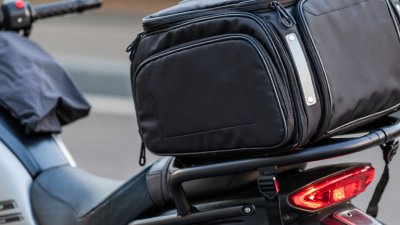
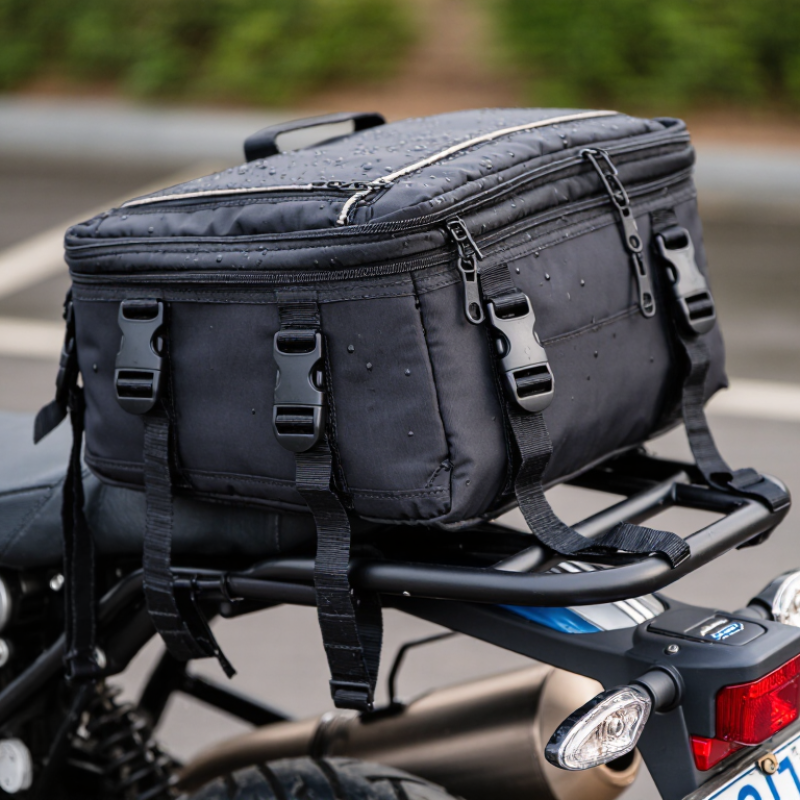
A well-designed Motorcycle Storage Bag should resist rain, vibration, dust, and repeated opening. Inspect the fabric thickness, stitching density, zipper quality, buckle strength, and mounting straps. Check whether the bag stays stable near the rear rack or passenger seat. Heat resistance also matters when the bag sits close to an exhaust system. Small details matter.
Rain finds weak seams.
Experienced manufacturers usually provide clear material specifications, sample approvals, production photographs, and inspection records. They should explain waterproof ratings honestly, rather than calling every coated fabric “fully waterproof.” Independent testing, consistent measurements, and traceable production information can support supplier credibility. Communication matters too. A factory that answers technical questions clearly may be more reliable than one offering the lowest quotation.
Still, no supplier is perfect. A sample may perform well but reveal production differences later. Buyers should compare several samples, review packaging quality, and test mounting hardware under realistic conditions. This process takes time, but it reduces costly surprises. The final choice should balance durability, customization, delivery control, after-sales support, and verified manufacturing experience. A careful review helps importers, brands, and distributors identify a capable Chinese partner with confidence, while leaving room for honest improvement.
What Makes a Motorcycle Storage Bag Manufacturer the Best in China?
What makes a motorcycle storage bag manufacturer the best in China? Reliable production begins with real riding conditions, not attractive samples. China’s motorcycle production exceeded 20 million units in 2023, according to China Association of Automobile Manufacturers statistics. That scale demands stable capacity and consistent quality. A capable manufacturer should use abrasion-resistant fabric, sealed seams, corrosion-resistant zippers, and reinforced mounting points. Each detail matters when a bag faces rain, dust, heat, and road vibration.
Professional evidence separates serious suppliers from ordinary workshops. Look for material certificates, batch inspection records, and finished-product testing. ISO 4892-3 can guide artificial weathering tests for outdoor materials. Internal drop, load, and vibration tests should also reflect actual motorcycle use. However, no factory is perfect. Many suppliers test the fabric, yet overlook buckle fatigue after repeated loading. That gap deserves honest discussion.
Tips: Request a pre-production sample and inspect stitching inside the bag. Ask for test conditions, not only test results. Confirm dimensions after loading. Check whether recycled fabric affects strength or waterproof performance. The best manufacturer will explain these limits clearly, provide traceable production records, and accept reasonable design adjustments. Communication speed also matters, especially when changing mounting straps or reflective panels. A small pilot order can reveal packing errors, color variation, and inconsistent stitching before larger production begins.
Key Types and Features of Motorcycle Storage Bags
Choosing the best motorcycle storage bag manufacturer starts with understanding bag types and practical features. Tail bags suit daily riding and usually attach with adjustable straps. Tank bags keep phones, maps, and small tools within easy reach. Panniers offer more capacity for touring, while handlebar bags work well for lighter items.
Material quality matters. Look for abrasion-resistant fabric, reinforced seams, and water-resistant zippers. A removable rain cover adds protection during sudden showers. Strong buckles should stay secure over rough roads. Reflective panels can improve visibility in low light. However, a larger bag is not always better. Excess weight may affect balance, steering, and braking.
Tips: Check the motorcycle’s mounting space before buying. Test the straps with gloves on. Pack heavy tools low and close to the bike’s center. Measure your helmet or rain gear first. I once chose a bag by appearance alone, and the loose mounting points became annoying after several rides. That small mistake changed my view of product testing. Reliable manufacturers should provide clear dimensions, load guidance, material details, and inspection standards instead of vague promises.
Manufacturing Standards, Customization, and Quality Control
China Best Motorcycle Storage Bag Manufacturer?
Manufacturing standards separate a dependable motorcycle storage bag from a polished sample. ISO 9001 certification data shows more than 1.26 million certificates worldwide in 2023 (ISO Survey 2023). Yet certification alone does not guarantee durable products. A capable manufacturer should document material inspection, production controls, and corrective actions.
For outdoor bags, request measurable specifications. These may include fabric denier, coating thickness, hydrostatic pressure, seam strength, and zipper-cycle results. ASTM D751 provides relevant methods for coated fabrics. Customization should cover dimensions, mounting points, reflective panels, drainage openings, and internal dividers. A good factory confirms fit with a physical motorcycle model, not only a drawing. Small errors matter. A strap placed two centimeters too high may rub against painted surfaces.
Quality control needs records at every stage. Inspectors can use AQL sampling for appearance, stitching, labels, and accessories. They should also complete water-spray, abrasion, tensile, and vibration tests. The Global Motorcycle Market report from IMARC Group identifies growing demand for practical motorcycle accessories, but market growth can encourage rushed production. That risk deserves attention. A cheap prototype may pass inspection while later batches weaken.
Tips: Ask for recent test reports, batch-traceability records, and pre-shipment photos. Check whether reports identify the tested material and test date. Request a pilot order before committing to volume. It is slower, but often reveals hidden stitching or fitting problems.
How to Choose the Right Supplier for Your Motorcycle Storage Needs
Choosing the right motorcycle storage bag supplier starts with product evidence, not attractive photographs.
The global motorcycle market was valued at about USD 106.3 billion in 2020, according to Allied Market Research. Growing demand increases supplier competition, but quality can vary sharply. Ask for material specifications, load ratings, seam construction, zipper cycle tests, and water-resistance results. A useful sample should survive vibration, rain, dust, and repeated opening beside a motorcycle.
Check the supplier’s production capability in detail. Request factory audit records, inspection procedures, monthly capacity, and defect-rate data. ISO 9001 certification can indicate structured quality management, although certification alone proves little.
Test the bag yourself. Fill it with tools, mount it to a real motorcycle, and inspect movement after several hours. Small details matter.
Buckles should remain accessible with gloves.
Straps should not touch hot exhaust parts.
Reflective panels should remain visible at night.
Cost needs careful review. The International Trade Centre reports that technical textile trade involves complex global supply chains, making material origin and processing worth verifying. A very low quotation may hide thinner fabric, weaker stitching, or inconsistent sizing. That is easy to miss.
Request a pre-production sample and a final random inspection. Confirm packaging, replacement policy, lead time, and communication procedures in writing.
I would also compare two or three production batches, because one excellent sample may not represent everyday output. Mistakes happen, even with experienced factories. A supplier willing to document them is often more dependable than one promising perfection.