2026 Top Makeup Storage Bags for Global Buyers?

For global buyers in 2026, a Makeup Storage Bag must offer more than attractive styling. Product photos may hide loose stitching, awkward dividers, or zippers that catch after repeated use. Small details matter. This guide surveys popular formats and practical checks for retailers, distributors, and sourcing teams comparing suppliers.

It considers capacity, weight, lining, compartment layout, handle strength, and ease of cleaning. A compact pouch may suit daily touch-ups, while a structured case can protect bottles and palettes during travel. Buyers should compare sample dimensions with real products, then test seams and closures under ordinary handling. Ask suppliers for material specifications, color consistency, and clear quality-control records. Claims about durability or recycled content deserve supporting evidence, not just a neat label. Some points need judgment; one checklist cannot fit every customer.

The selections are a starting point, not a universal ranking. Price, minimum order quantity, customization options, lead time, and packaging can change the value of an otherwise strong design. A bag that looks premium may feel bulky in a small retail display. That is worth admitting. We focus on observable features and questions buyers can verify with samples, helping readers make better-informed decisions for their own markets. Supplier performance can vary, and one sample cannot guarantee every production run.
2026 Top Makeup Storage Bags for Global Buyers?

What Makeup Storage Bags Are and How They Organize Cosmetics

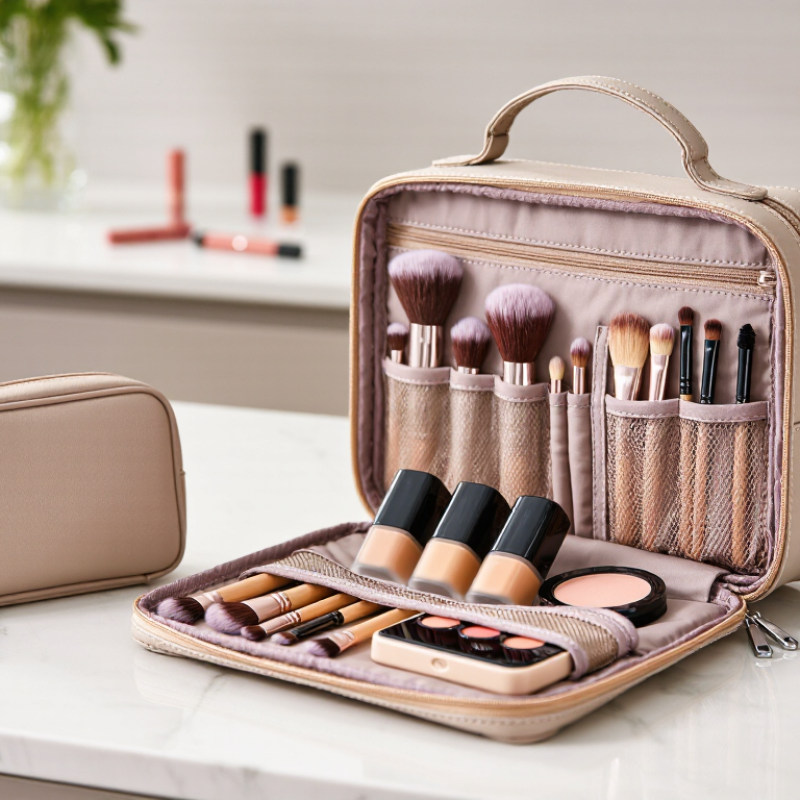
A makeup storage bag is a portable case designed to hold cosmetics and small grooming tools together. It may have one open compartment or several pockets, elastic loops, and wipe-clean lining. The shape matters: a soft pouch fits easily into luggage, while a structured case can protect pressed powders from knocks. Small details help. A sturdy zipper is easier to use when your hands are busy, and a clear pocket makes frequently used items visible. Not every feature suits every routine.

To organize cosmetics, group items by use rather than placing everything together. Keep daily products in one section, brushes in a sleeve, and occasional-use items in a separate pocket. Store liquid products upright when the bag allows, and check caps before travel; a loose lid can leave a messy surprise. For a shared bathroom counter, choose a bag that opens wide enough to see its contents without unpacking it. At home, remove products you no longer use and wipe the lining regularly. There is no perfect arrangement. A pocket that works well for one person may feel awkward to another, so adjust the layout after a few trips.

2026 Top Makeup Storage Bags for Global Buyers

What Makeup Storage Bags Are and How They Organize Cosmetics

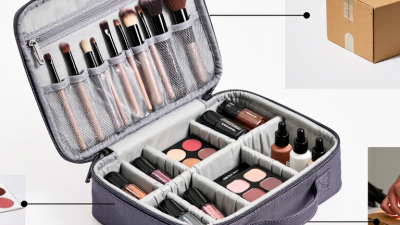
How to use this example: A makeup storage bag keeps cosmetics grouped and protected for travel or everyday use. This illustrative 12-item kit groups products by type, helping buyers choose compartments that suit their own routine; the counts are an example, not market research.

Common Bag Types, Materials, and Features in 2026

Common Bag Types, Materials, and Features in 2026

Makeup storage bags generally fall into four practical styles: flat zip pouches, structured cases, hanging organizers, and larger compartmented bags. Flat pouches fit easily into handbags or luggage. Structured cases protect bottles and palettes from being crushed. Hanging designs work well in small bathrooms, though their hooks and seams need careful inspection. A roomy bag can hold more, but it may become awkward when fully packed.

Polyester and nylon are popular for their light weight and resistance to everyday scuffs. Coated fabrics can be easier to wipe clean, while cotton canvas offers a softer feel but may absorb spills. Recycled-content textiles are also available; buyers should check what the material claim covers rather than relying on a label alone. No fabric is perfect. Even a water-resistant outer layer cannot prevent every leak from reaching other items.

Useful features include wipeable linings, mesh pockets, adjustable dividers, and smooth-running zippers. Look closely at stitching around handles and corners, where strain often shows first. Small details matter. A clear pocket helps locate brushes, but it can show stains over time. Buyers comparing samples should test the zipper repeatedly and check whether dividers stay in place. I would not treat one sample as a guarantee: production batches can vary, and that is worth discussing before placing a large order.

How to Compare Capacity, Protection, Portability, and Care

For global buyers, compare makeup bags by usable space, not exterior dimensions. Grand View Research valued the global cosmetics market at USD 262.21 billion in 2022 and forecast 4.2% annual growth through 2030. More products can mean more storage needs, but a roomy bag is not automatically practical. Check whether tall bottles fit upright and brush handles lie flat. Small details matter.

Protection depends on construction. A wipe-clean lining helps with powder spills, while padded walls can cushion pressed compacts. A divider keeps pencils from scraping delicate items, but too many pockets waste space. UN Tourism reported 1.4 billion international tourist arrivals in 2024, reaching 99% of 2019 levels. For frequent travel, a secure zipper and a compact shape matter; water-resistant fabric is not necessarily waterproof.

Portability is a balance: a large handle is easy to grab, yet bulky when packed beside clothing. Compare the empty weight, handle stitching, and how fully loaded bags sit in a suitcase. For care, removable inserts and washable linings simplify cleanup; follow the maker’s care instructions and air-dry thoroughly. One trade-off remains: clear panels make contents visible, but can show scuffs quickly. I would test the zipper with a full load, not just an empty sample.

Global Buyer Considerations: Compliance, Sourcing, and Shipping

Global buyers should treat compliance as part of makeup bag design, not as paperwork to handle at the last minute. Ask suppliers for material specifications, production records, and test reports that match the actual bag, including its lining, zipper, and printed finish. Requirements vary by destination, so confirm applicable product and labeling rules with a qualified local adviser. A clean sample is not enough.

Sourcing checks should go beyond price and catalog photos. Request a pre-production sample, inspect stitching around the handles, and test zippers with a realistic load of brushes and small containers. Ask how color changes and material substitutions are approved. A supplier may describe a fabric as water-resistant, but buyers should clarify what that means and request supporting test details. Small details matter.

Shipping costs can shift with carton size, packing density, and seasonal capacity. Confirm carton dimensions, gross weight, shipment terms, and the documents your broker needs before production is complete. For long routes, ask how bags are protected from moisture and compression; folded corners can leave marks. I would not rely on one successful sample shipment as proof that every order will arrive the same way. A small pilot order can reveal gaps, though it adds time and cost.

2026 Top Makeup Storage Bags for Global Buyers? — Global Buyer Considerations: Compliance, Sourcing, and Shipping

Bag Format Typical Use Common Materials and Construction Indicative Product Specifications Compliance and Quality Checks Sourcing and Shipping Considerations
Flat zip pouch Everyday storage for a small selection of makeup, brushes, or travel-size items. Woven polyester or nylon outer fabric; polyester lining; zipper closure. Usually a slim, flexible format with little or no internal organization. Confirm finished dimensions and usable interior space with a physical sample. Request material and colorfastness test information appropriate to the destination market. Check zipper operation, seam strength, lining, and labeling requirements. Lightweight and generally easy to pack flat. Compare packed dimensions as well as unit weight because parcel and air-freight charges can depend on dimensional weight.
Structured cosmetic case Home storage or travel when products need more protection and organization. Polyester or nylon fabric with foam padding, a structured panel, or a wipe-clean lining. Often includes a wider base, compartments, or elastic loops. Check internal measurements against the intended product assortment. Inspect padding consistency, seams, closure strength, and any coating for peeling or odor. Ensure product descriptions accurately identify material and care properties. Structure can increase carton volume and shipping cost. Ask suppliers for packed-carton dimensions, gross weight, units per carton, and packing configuration.
Transparent PVC or TPU pouch Quick product visibility and separation of toiletries or cosmetics inside luggage. Clear PVC or TPU panels with welded or stitched seams and a zipper closure. Flexible, easy-to-view construction; panel thickness and seam method vary by design. Verify clarity, flexibility, and closure performance using samples. Identify the exact plastic material and request relevant substance documentation for the destination market. Check for leakage at seams if the bag is intended to contain liquids. Clear panels can crease or scratch in transit. Use protective packing and confirm whether individual polybags or other packaging are required by the buyer.
Hanging organizer Travel or bathroom storage where products need to be accessed while the bag is suspended. Woven synthetic fabric, multiple pockets, zipper closures, and a hook or hanging loop. Typically folds for packing and opens into several compartments. Check hook strength, pocket dimensions, and the organizer's folded size. Test seams and attachment points under the expected load. Review labeling and material information for the markets where the item will be sold. Multiple layers and hardware can add weight. Confirm packed size and protect hooks or other rigid components to prevent damage to surrounding goods.
Brush roll or brush case Storing and separating makeup brushes, applicators, or small tools. Polyester, nylon, or coated fabric; stitched brush sleeves; tie, snap, or zipper closure. Long, foldable format with brush slots of varying widths. Compare slot lengths with the intended brush assortment and check that closures secure the roll. Check stitching, color transfer, and any coating or finish. Avoid product claims such as “antibacterial” unless they are substantiated and permitted in the target market. Usually packs flat, but longer dimensions may affect carton layout. Confirm folded dimensions and protective packaging for shipment.
Recycled-fabric cosmetic bag Buyers seeking a bag made with recycled textile content or a documented lower-impact material choice. May use recycled polyester fabric with conventional lining, zippers, and trims. Available in flat or structured designs. Request the stated recycled-content percentage and clarify which components it covers. Ask for traceable documentation supporting recycled-content claims. Check that labels and marketing statements match the evidence and applicable local rules. Confirm material availability, color consistency, and lead time for the specified fabric. Recycled content does not by itself establish that the finished product is recyclable.
Custom-logo promotional pouch Retail sets, event giveaways, and private-label programs requiring custom artwork or packaging. Commonly polyester, nylon, or cotton fabric with screen printing, heat transfer, embroidery, or a sewn label. Size and decoration are configurable. Approve artwork placement, color, print scale, and a production sample before mass production. Check that artwork, labeling, and any product claims are authorized and accurate. Specify acceptable color variation and inspection criteria in the purchase order. Custom materials and decoration can affect minimum order quantities and lead times. Confirm approval deadlines, production time, carton markings, and delivery terms before booking freight.

Buyer note: Requirements depend on the destination country, product composition, intended user, and marketing claims. For example, EU rules may address chemical substances in articles and product safety, while U.S. children’s-product requirements apply when a product is designed or intended primarily for children. Confirm applicable obligations with a qualified compliance professional, and verify current import, labeling, packaging, and shipping requirements before placing an order. Dimensions and construction details above are indicative; confirm final specifications with the supplier.

How to Match a Makeup Storage Bag to Different Needs

2026 Top Makeup Storage Bags for Global Buyers?
How to Match a Makeup Storage Bag to Different Needs

Choosing the right makeup storage bag starts with how it will be used. A commuter may need a slim pouch that fits beside a phone, while a traveling makeup artist may need several compartments for brushes and palettes. Measure the products you carry most often. A bag that looks roomy online can feel cramped once bottles are packed inside.

Material and construction matter, too. For daily use, a wipe-clean lining helps with loose powder or small spills. Check that the zipper moves smoothly and the seams feel secure, especially around handles. Small details matter. A clear pocket can make frequently used items easier to find, but it may show stains sooner. That trade-off is easy to overlook.

For travel, compare the bag’s dimensions with your usual luggage and consider whether the contents need extra protection. A padded divider can help prevent pressed powders from cracking, though it takes up space. Buyers ordering for a team or retail range should also compare sample quality, usable capacity, and care instructions rather than relying on photos alone. I might still choose a simpler design over one with many pockets; extra sections are not useful if they are too small for real products.