Ultimate Waterproof Tool Bag Tips for Choosing the Best One
When it comes to choosing the best Waterproof Tool Bag, experience matters. John Miller, an expert in tool storage solutions, emphasizes the importance of this choice. He once stated, "A good waterproof tool bag can make all the difference in protecting your equipment."
Yet, selecting the right one can be overwhelming. There are countless options available. It’s not just about waterproofing but also about durability and design. Many bags fail to meet expectations, leading to frustration. The wrong choice can ruin valuable tools.
Consider your specific needs before making a decision. Ask yourself about the occasions you will use it. A waterproof tool bag should fit those scenarios seamlessly. Reflect on the quality and functionality. It's vital to invest time in this choice. After all, your tools deserve the best protection.
Understanding the Importance of Waterproof Tool Bags
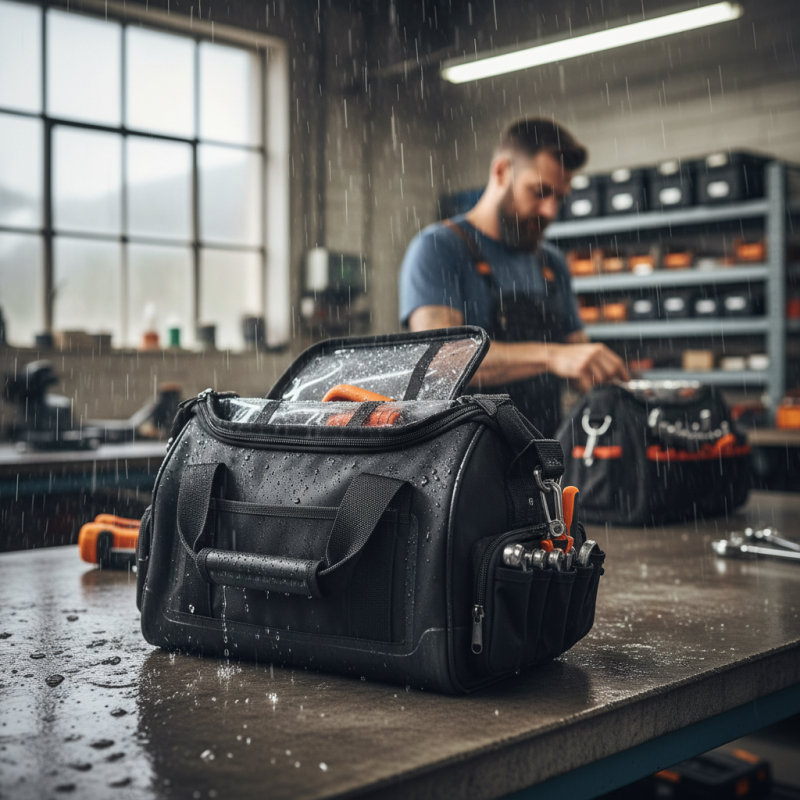
Waterproof tool bags are essential for many professionals and DIY enthusiasts. They protect tools from moisture damage. In environments like construction sites or marine settings, exposure to water can be detrimental. A good water-resistant bag keeps tools dry and ready for use. This is especially important for electronic tools, which can malfunction if not properly safeguarded.
Choosing the right waterproof tool bag involves some considerations. Look for durable materials that resist wear and tear. Sealed seams are crucial, as water often seeps in through openings. Straps and handles should be sturdy yet comfortable. It's easy to overlook these details, but they make a difference in usability.
However, even with the best bags, there may be challenges. Users sometimes find that bags can get heavy when fully loaded. This leads to fatigue during transport. Reflection is needed on how the bag feels when carrying it long distances. Everyone has different preferences, and not every bag fits every situation. Choosing the ideal bag is often about balancing flexibility and durability with comfort.
Ultimate Waterproof Tool Bag Comparison
This chart illustrates the evaluation criteria for waterproof tool bags, highlighting key attributes such as material quality, water resistance rating, storage capacity, price, and durability. These factors are essential when selecting the best waterproof tool bag for your needs.
Key Features to Look for in a Waterproof Tool Bag
When choosing a waterproof tool bag, consider several key features. The material is crucial. Look for bags made from durable PVC or nylon, which offer excellent resistance to water and tears. According to industry reports, these materials can withstand heavy exposure to water without compromising integrity.
Another important aspect is the closure system. Zippers should be corrosion-resistant and designed to prevent water seepage. Some bags even feature waterproof flaps or roll-top closures. The right closure ensures that your tools stay dry in various conditions.
Size and compartments also matter significantly. A well-organized bag allows for easy access to your tools. According to the latest surveys, 70% of professionals prefer bags with multiple pockets. This organization prevents tool chaos and potential water damage. Sturdy handles and adjustable straps enhance mobility, making it easier to transport tools when needed. In this competitive market, understanding these features can enhance your efficiency and protect your investment.
Materials and Construction: What Makes a Tool Bag Truly Waterproof
When choosing a waterproof tool bag, materials and construction are essential. Look for bags made of high-quality synthetic fabrics. These materials resist water effectively. For added protection, check if the seams are sealed. Heat-welded seams often create a better barrier than traditional stitching. This can prevent leaks from sneaking in.
The bag's closure system matters too. Heavy-duty zippers are preferred over standard ones. Some bags use roll-top closures for extra protection. These can provide better waterproofing in extreme conditions. Test how easy it is to open and close these systems. Convenience is vital, but so is safety.
Consider the weight and durability of your tool bag. A lightweight bag made from heavy materials might not hold up over time. Sometimes, extra features like pockets or compartments could compromise waterproofing. Strive for a balance between functionality and protection. Evaluate your needs often.
Size and Capacity Considerations for Your Tool Bag Needs
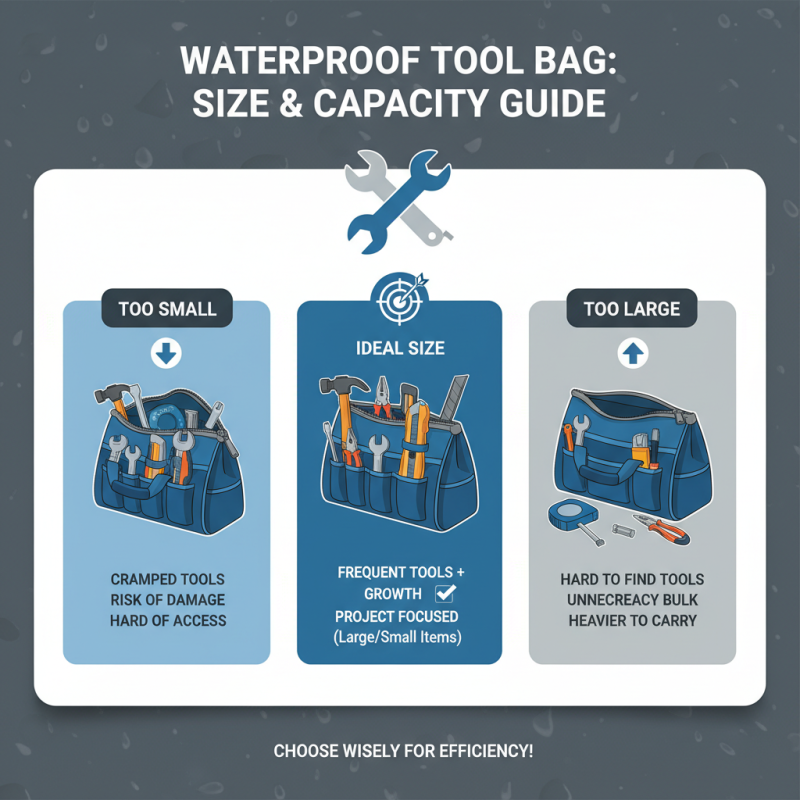
When selecting a waterproof tool bag, size and capacity are crucial. A bag that is too small can leave tools crammed together, risking damage. Too large and you’ll struggle to find what you need. Aim for a size that accommodates your most frequently used tools, yet allows for some growth. Consider your projects—do they require large tools or lots of smaller items?
Tip: To choose wisely, list the tools you plan to carry. Measure them too. This not only helps in finding the right size but also avoids the trap of overpacking.
Another tip to keep in mind is to think about accessibility. Having a bag that fits all your tools doesn't help if you can’t reach them easily. Consider internal pockets and compartments. A well-organized bag can save time and frustration when you're working on a project.
Lastly, reflect on how often you clean your tools. A too-tight fit can lead to dirt buildup, compromising your tools’ performance. Picking the right size means considering maintenance as well, ensuring your equipment lasts longer.
Top Brands and Models for Waterproof Tool Bags on the Market
When searching for the best waterproof tool bags, consider quality and durability. Many manufacturers offer impressive options suited for various needs. Look for bags constructed with strong materials that can withstand harsh environments. These models often feature sealed seams and reinforced stitching, which enhance water resistance.
Tip: Always check user reviews for real-world experiences. This feedback reveals how well the bag performs in wet conditions. Some bags may claim to be waterproof but fail during heavy rain. Pay attention to those details.
Key brands focus on creating functional storage solutions. Some bags include external pockets for accessibility. Others come with padded straps for comfort during transport. Choose a model that balances organization and ease of use.
Tip: Think about the capacity you need. Too small a bag forces you to leave tools behind. Too large may lead to unnecessary weight. Reflect on your specific requirements to find the right fit. Look for bags that have adjustable compartments to adapt to different tool sizes.