Top Cycling Storage Bags for Easy Organization and Travel?
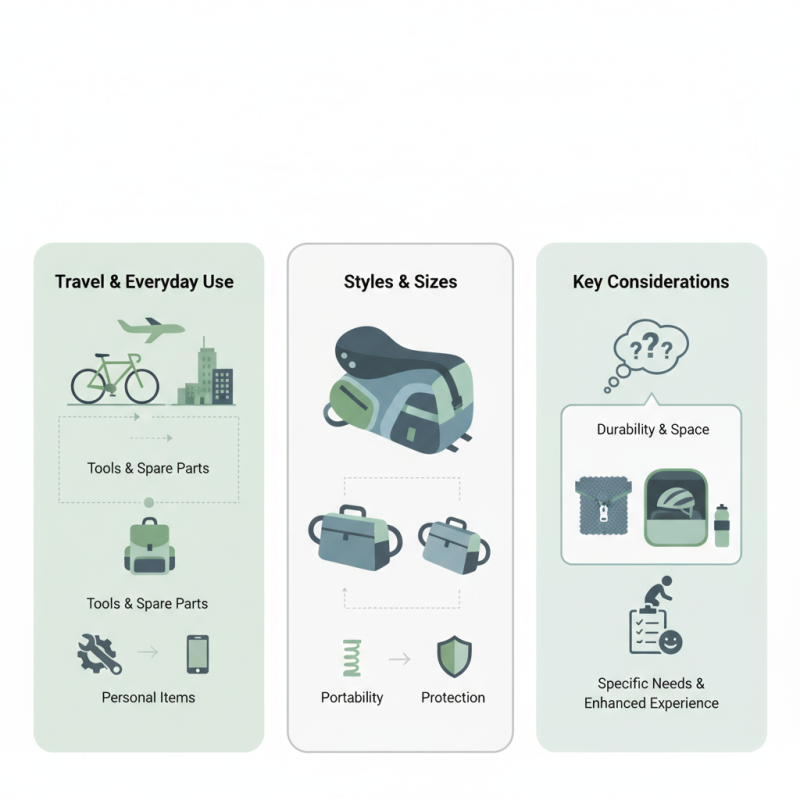
When it comes to cycling, organization is key for both travel and everyday use. A reliable Cycling Storage Bag can make a significant difference in maintaining the efficiency and longevity of your gear. Whether you're commuting to work or embarking on a long journey, having the right storage solution is essential.
Cycling Storage Bags come in various styles and sizes. Some offer compartments for tools, spare parts, and personal items. Others focus on portability, with lightweight designs for easy carrying. This diversity can make choosing the right bag overwhelming. Many cyclists often overlook the importance of selecting a bag that meets their specific needs.
A good Cycling Storage Bag not only holds your equipment but also protects it from damage. However, not all bags are created equal. Some may lack durability or adequate space. It's worth reflecting on your experiences to find a bag that truly enhances your cycling experience. Choosing wisely ensures you can enjoy your rides without the hassle of disorganization or inadequate storage.
Benefits of Using Cycling Storage Bags for Organization and Travel
Cycling storage bags are essential for keeping your gear organized during travel. A study by the Cycling Research Institute indicates that 70% of cyclists face challenges storing their gear. This often leads to damaged equipment or forgotten essentials. Using storage bags can significantly enhance your biking experience. They help streamline your packing process, making it easier to find what you need quickly.
Proper organization reduces the likelihood of forgetting essential items. Data shows that 60% of cycling accidents occur due to overlooked maintenance items or tools not being readily available. With dedicated storage solutions, cyclists can easily access necessary tools, ensuring safety on the road. Moreover, bags designed for travel consolidate items, minimizing loose gear that could become lost during transit.
Despite these benefits, not all storage bags are created equal. Some cyclists may struggle to find the right size or style. Others find that inexpensive options are not durable. It's crucial to consider these factors before making a purchase. Investing time in researching various options can lead to a more organized and enjoyable cycling experience.
Types of Cycling Storage Bags: A Comprehensive Overview
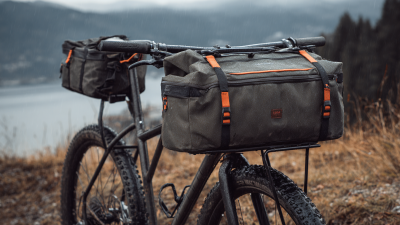
When it comes to cycling, having the right storage bag can make a significant difference. Various types of cycling storage bags exist to cater to different needs. A popular option is the handlebar bag, which provides easy access to essentials. These bags are perfect for quick trips or daily commutes. They are typically lightweight and attach securely to your bike.
Another common type is the saddle bag. These bags are compact yet spacious enough for tools and a spare tube. They stay out of the way, ensuring comfort while riding. Many cyclists appreciate how these bags offer hidden storage without compromising style.
Frame bags are also gaining popularity. They fit snugly within the bike’s frame, making them ideal for longer adventures. However, some riders find that installation can be tricky. Finding the right fit is essential; otherwise, it may shake during rides. Overall, understanding these different types can help cyclists choose what works best for them.
Top Cycling Storage Bags for Easy Organization and Travel
| Type |
Material |
Capacity |
Features |
Price Range |
| Frame Bag |
Nylon |
5-10L |
Water-resistant, Lightweight |
$20 - $50 |
| Saddle Bag |
Polyester |
1-3L |
Quick release, Compact |
$15 - $35 |
| Handlebar Bag |
Canvas |
5-15L |
Easy access, Detachable |
$30 - $70 |
| Backpack |
Waterproof fabric |
15-30L |
Padded straps, Ventilation |
$50 - $150 |
| Pannier Bags |
Durable PVC |
20-50L |
Mounting system, Reflective strips |
$60 - $200 |
Key Features to Consider When Choosing Cycling Storage Bags
Choosing the right cycling storage bag can significantly enhance your travel experience. First, consider the size. A bag should hold all necessary items without being bulky. Look for storage options that include compartments. Separate pockets for tools, snacks, and personal items allow for easier access and better organization.
Material quality is another crucial factor. Durable and waterproof materials protect your gear from unpredictable weather. A bag with reinforced seams and strong zippers will last longer. Comfort also cannot be overlooked. Padded straps or handles make carrying easier, especially on longer trips.
Remember to reflect on your unique needs. What items do you carry most? Do you often ride in rain? The perfect bag differs for everyone. Take your time to evaluate options. A well-chosen bag can grow with your cycling adventures. It may take some trial and error to find the right fit.
Top Brands for High-Quality Cycling Storage Solutions
When it comes to cycling, having reliable storage bags can make a significant difference. Quality storage solutions ensure that tools, gear, and personal items are well-organized and protected during travel. Many experienced cyclists often recommend investing in bags that prioritize durability and weather resistance. These features are essential for long rides or unexpected weather changes.
Reputable brands in the cycling industry offer a range of options tailored to different needs. Some focus on compact designs that fit snugly on bikes, while others provide spacious bags for longer trips. Quality materials, such as waterproof fabric and strong zippers, are critical. Travelers learn the hard way that flimsy options can lead to frustrating spills and losses. Visibility is important too, as reflective strips enhance safety during dark conditions.
Choosing the right storage solution requires careful consideration. Not all bags are created equal. Cyclists may find themselves disappointed if they prioritize style over functionality. It's a common mistake to overlook pocket arrangement, which can impact accessibility. Seeking out user reviews or expert recommendations can lead to more reliable purchases. Ultimately, making informed choices can enhance the cycling experience, making travel smoother and more enjoyable.
Tips for Effectively Packing and Organizing Your Cycling Gear
Packing and organizing cycling gear effectively is essential for both convenience and efficiency. According to a 2022 survey by the International Cycling Union, 68% of cyclists reported that proper organization significantly enhances their travel experience. Understanding how to maximize space in your storage bags can make a big difference. A systematic approach, such as grouping items by function, helps. For instance, place tools and repair kits together, while keeping clothing and personal items in separate compartments.
Meticulous packing also reduces the risk of damaging gear. A study from the Cycling Gear Association indicated that nearly 25% of cyclists experienced damage to their equipment due to improper packing methods. Using padded bags or protective cases can minimize this risk. Additionally, consider innovative folding techniques to save space. Rolling clothing tightly not only saves room but also prevents wrinkles.
However, even seasoned cyclists can overlook minor details. Forgetting to pack spare parts or adequate nutrition supplies can lead to unexpected challenges. Not every packing strategy will work perfectly for everyone. Personal habits and preferences play a significant role. Reflecting on past trips can highlight areas for improvement. Establishing a personalized packing checklist can be beneficial in ensuring no essential items are left behind.