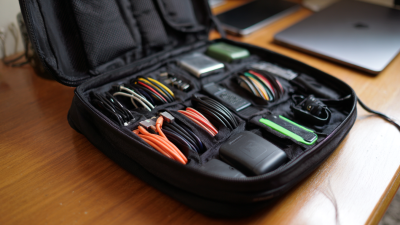
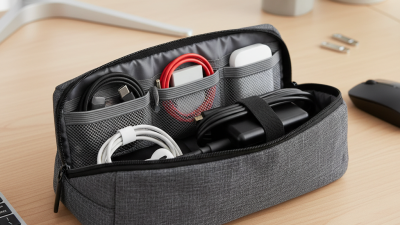
In today's digital age, keeping your cables organized is crucial. The right Cable Storage Bag can make all the difference. With so many devices relying on various cables, a cluttered environment can lead to frustration. Finding the best storage solution becomes essential for efficiency.
Choosing a Cable Storage Bag involves considering size, material, and functionality. An effective bag should accommodate different cable types, from chargers to HDMI cords. High-quality materials ensure durability and protection. However, not all products meet expectations, leading to dissatisfaction.
Experience shows that a well-chosen Cable Storage Bag enhances your workspace. Yet, many users overlook the importance of proper organization. It’s easy to underestimate how a simple storage solution can simplify daily routines. Reflecting on personal needs can lead to better choices. Investing time in selecting the right bag pays off in the long run.
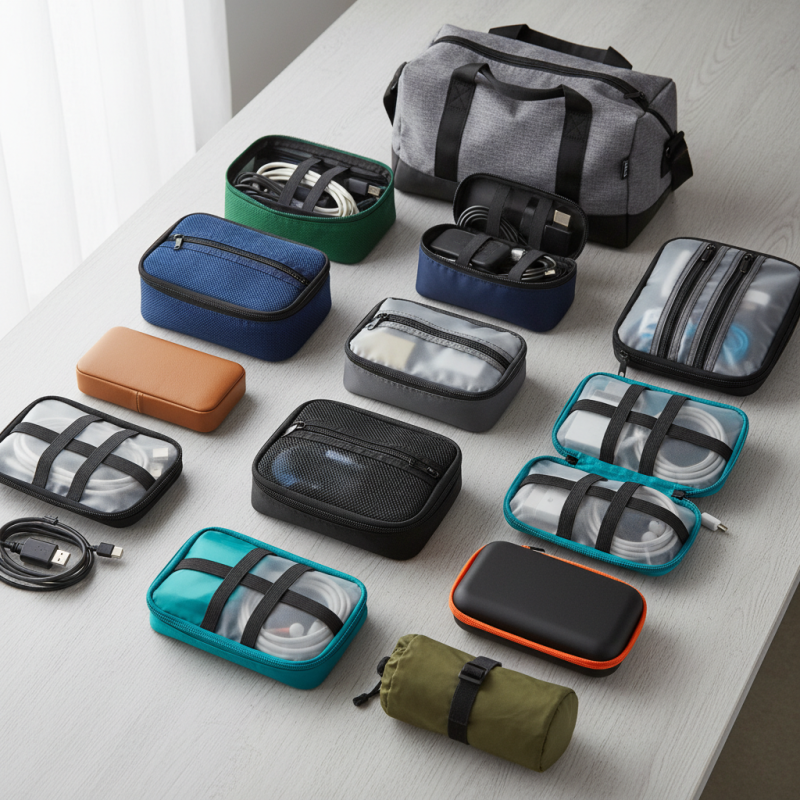
When choosing a cable storage bag, consider the size. A bag should accommodate various cable lengths. Look for adjustable dividers. They create sections for items of different sizes, which helps with organization. A multi-compartment design allows easy access to each cable.
Material is important too. Look for durable, yet lightweight fabrics. Water-resistant materials can protect cables from moisture. Reinforced stitching adds to the bag’s strength. You need a bag that withstands everyday use.
**Tips:** Choose a bag with a clear identification system. Labels or see-through compartments save time when searching for cables. A padded exterior can also protect your items during transit. Consider portability; a lightweight design makes it easy to carry. Subpar bags may result in tangled cables, frustration, and loss of time. Evaluate your needs before making a purchase.
| Model | Dimensions | Material | Capacity | Price Range | Best For |
|---|---|---|---|---|---|
| Compact Organizer | 10 x 6 x 4 inches | Water-resistant Nylon | Up to 10 cables | $15 - $25 | Travel and Daily Use |
| Deluxe Pouch | 12 x 9 x 3 inches | Durable Polyester | Up to 20 cables | $20 - $30 | Home and Office |
| Portable Case | 11 x 7 x 5 inches | Canvas | 10 to 15 cables | $18 - $28 | Outdoor and Traveling |
| Traveler's Kit | 9 x 6 x 2 inches | Synthetic Leather | Up to 8 cables | $12 - $22 | Business Travelers |
| Multi-Pocket Organizer | 15 x 10 x 5 inches | Nylon with Compartments | 20+ cables | $25 - $35 | Home Organization |
| Tech Gear Bag | 14 x 8 x 4 inches | Ballistic Nylon | 15 cables | $30 - $40 | Gadgets and Gear |
| Slimline Bag | 13 x 6 x 2.5 inches | Soft Fabric | 5 to 10 cables | $10 - $20 | Casual Users |
| Heavy-Duty Storage | 18 x 12 x 6 inches | Reinforced Polyester | 30+ cables | $40 - $60 | Professional Use |
| Tech Backpack | 18 x 12 x 8 inches | Polyester with Padding | 20 cables | $50 - $80 | Students and Commuters |
| All-in-One Organizer | 12 x 10 x 4 inches | Eco-Friendly Fabric | 15+ cables | $22 - $32 | Eco-Conscious Users |
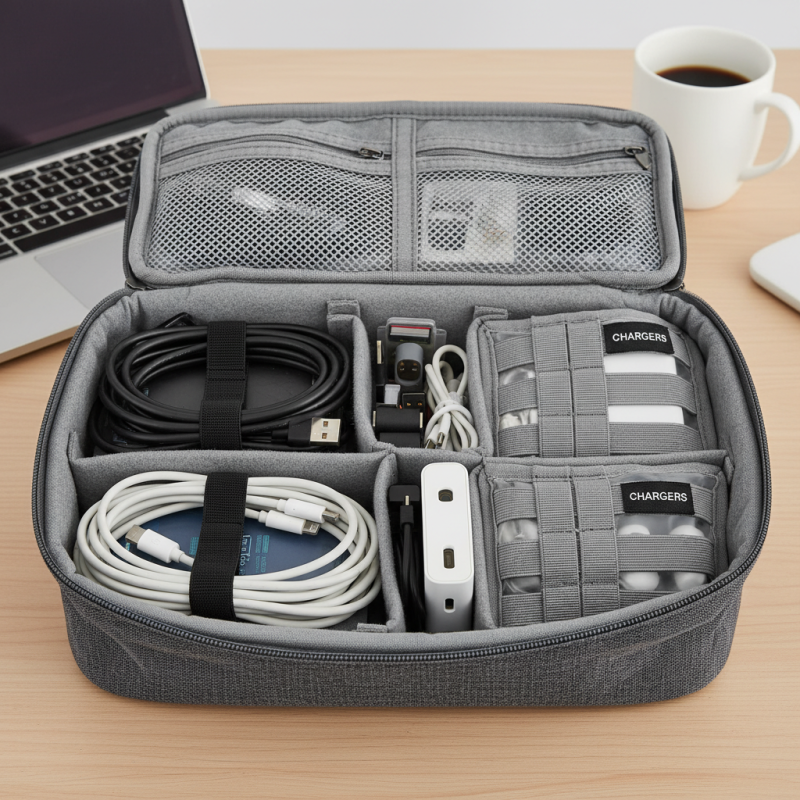
When organizing cables, choosing the right storage bag can greatly enhance efficiency. Look for bags with multiple compartments. They help prevent tangles and make locating cables easier. A well-designed bag should also have clear dividers. This allows for quick identification of specific cables without rummaging through a jumble. Consider bags with soft interiors too. They protect cables from scratches and damage.
Another feature to consider is portability. A lightweight bag with a comfortable handle simplifies transportation. Many users appreciate bags with adjustable straps. This feature offers flexibility and can ease carrying heavy loads. Water-resistant materials can add an extra layer of protection against spills, essential for travelers or mobile professionals.
While these features enhance efficiency, personal habits play a vital role too. Regularly reviewing stored cables can prevent clutter. It’s easy to accumulate outdated or broken cables. Setting aside time for this can be challenging, yet it’s essential for maintaining organization. Finding the right balance between the right storage bag and good habits ensures that efficiency is not just a goal but a reality.
Cable storage has become increasingly important in today’s tech-driven world. A recent report indicated that the global market for cable management products is projected to grow by 15% over the next five years. With the rise of remote work and smart home devices, effective organization has never been more critical.
When it comes to selecting cable storage bags, an efficient design can make a significant difference. Many top-rated bags are crafted from durable materials. These bags often include multiple compartments for various cable lengths and types. According to a survey, 70% of users appreciate bags with labeled sections for quicker access. This feature not only saves time but can also reduce cable damage from improper storage.
However, not all storage solutions live up to expectations. Some bags may lack sufficient padding, leading to wear and tear over time. Additionally, users often find that smaller bags limit their ability to store larger or thicker cables. While many claim to provide optimal organization, the right choice largely depends on individual needs and usage habits. Finding a balance between size, compartmentalization, and material quality is essential for effective cable management.
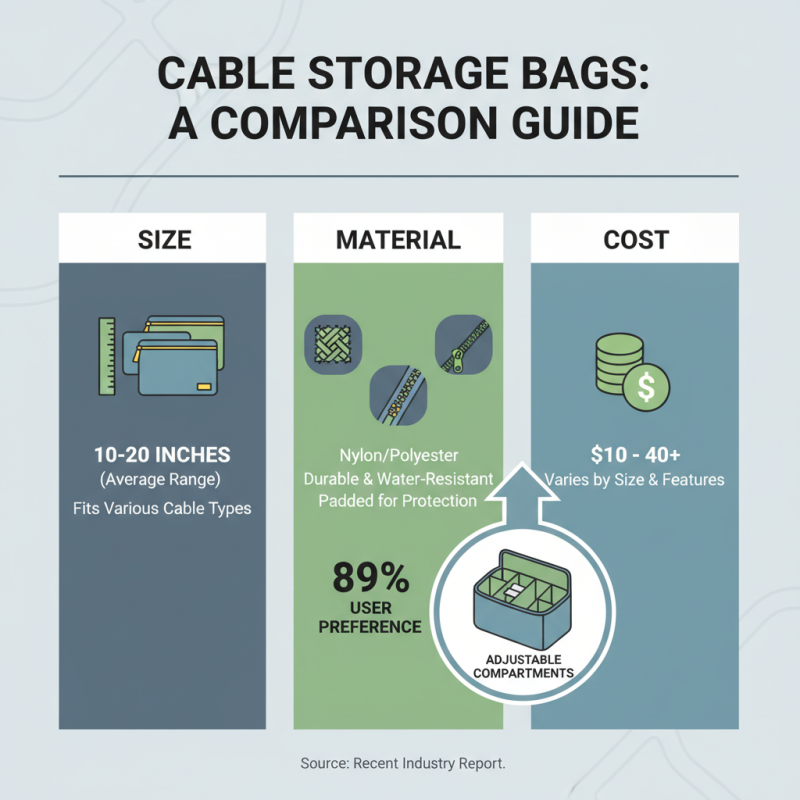
When organizing cables, selecting the right storage bag is crucial. Various factors affect usability, including size, material, and cost. A recent report found that 89% of users prefer bags with adjustable compartments. This feature enhances flexibility, accommodating different cable types. The average bag size ranges from 10 to 20 inches, fitting various needs.
Materials also play an essential role. High-quality nylon and polyester are popular due to their durability. A study indicated that bags made with waterproof fabrics retain shape and resist wear and tear better—over 70% of users report lower replacement costs with these materials. However, identifying the perfect balance between quality and price can be challenging.
Costs vary significantly, from $10 to over $50. Budget options often lack features like padding or compartmentalization. This can lead to tangled cables and frustration. Investing in a sturdy, organized bag might save time and money in the long run. Many users recognize the need for quality but may struggle to justify the expense. Making an informed choice requires careful consideration of personal needs and experiences.
Maintaining and cleaning cable storage bags is crucial for their longevity. Dust and moisture can easily accumulate inside these bags. Regularly check your bags for any signs of wear, tear, or dirt. A simple routine can help keep them in good condition.
For cleaning, use a damp cloth and mild soap to wipe the exterior. Ensure you dry them thoroughly to prevent mold. If your bag has removable compartments, don’t forget to clean those as well. Sometimes, it’s easy to overlook the insides.
Storage bags can fade over time. Avoid placing them in direct sunlight. When not in use, store them in a cool, dry place. Reflect on how often you utilize these bags. If you find yourself buying new ones frequently, consider if you are truly organized. Assessing your habits can lead to better management of your cable storage solutions.
This chart illustrates the popularity scores of various types of cable storage bags, showcasing how different options rank in terms of user preference and utility.