How to Choose the Best Waterproof Tool Bag for Your Needs?
Choosing the right Waterproof Tool Bag can be challenging. With various options available, it’s easy to feel overwhelmed. However, understanding your needs is crucial in making the best choice. A Waterproof Tool Bag is essential for professionals and DIY enthusiasts alike. It protects your tools from moisture, ensuring they last longer and function better.
Consider the materials and construction. High-quality waterproof materials can safeguard your tools efficiently. Look for features such as waterproof zippers and reinforced stitching. These details may seem minor, but they play a significant role in durability. Additionally, the size and compartments can affect how well your tools stay organized. Think about what tools you’ll carry regularly.
Reflect on your storage habits and workspace. A Waterproof Tool Bag should not only fit your tools but also suit your working environment. You might find that a bag with more organization helps you save time. On the other hand, opting for a simpler design can be more practical. Overall, a thoughtful approach will help you select a Waterproof Tool Bag that truly meets your needs.
Understanding Waterproof Tool Bags: Key Features to Consider
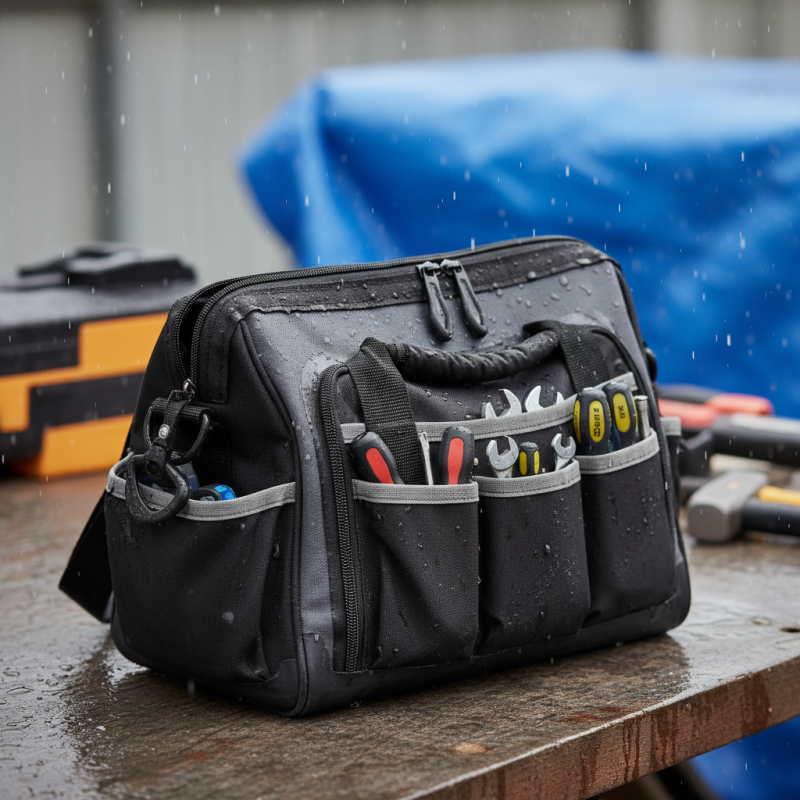
When selecting a waterproof tool bag, several key features deserve attention.
Material is crucial. Look for bags made from durable fabrics like PVC or heavy-duty nylon.
These materials offer enhanced waterproofing and resist wear and tear. Pay attention to zippers as well.
Waterproof zippers prevent moisture from seeping in. Sealed seams add an extra layer of protection,
so consider bags with this feature for peace of mind.
Size matters too. Choose a bag that suits your specific tools. A small bag may not accommodate larger items,
while an oversized bag can lead to disorganization.
Compartments make a difference. Having designated storage for various tools can improve accessibility
and save time when you need to find something quickly. Yet, too many pockets can complicate matters.
Aim for a balance between organization and simplicity.
Weight is another factor. A lightweight bag can enhance mobility.
While heavy-duty options offer protection, they can become cumbersome.
Experiment with different designs. Some bags are more rigid, while others are flexible.
Ultimately, it’s about your comfort and how you plan to use it.
Taking the time to analyze these features ensures you're equipped with the right tool bag for any environment.
Assessing Your Specific Needs: Size, Durability, and Functionality
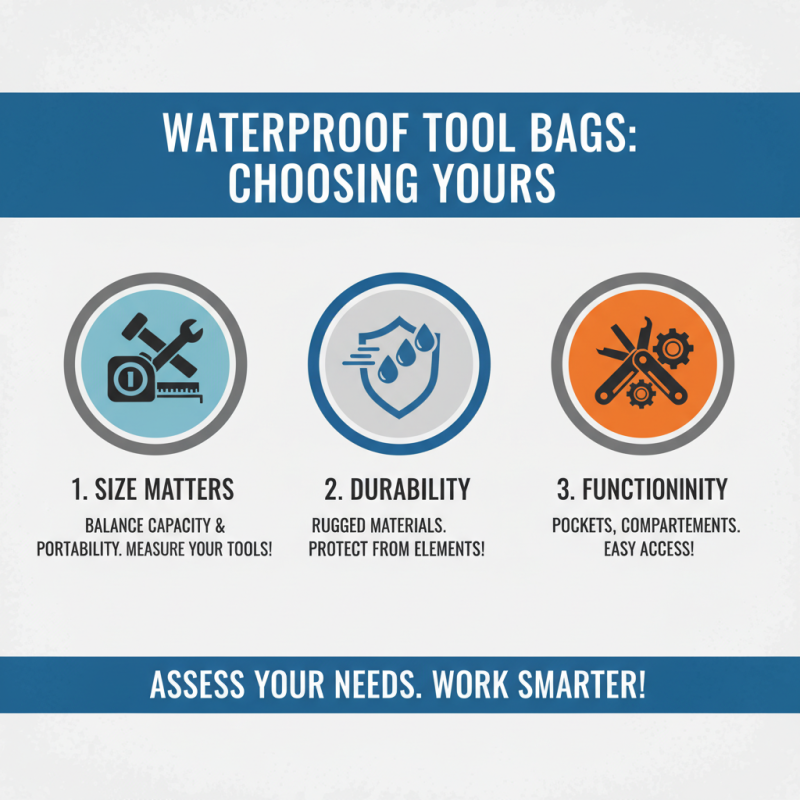
When it comes to selecting a waterproof tool bag, understanding your specific needs is crucial. Start by evaluating the size you require. Consider the tools you typically carry. A bag that is too small will lead to frustration and disorganization. On the flip side, an overly large bag can become cumbersome. Take measurements of your tools and make a choice that balances capacity and portability.
Durability is another key factor. Look for materials that can withstand harsh conditions. Heavy-duty fabrics can resist wear and tear. Ensure the zippers and seams are reinforced, as these are typically weak points. Think about the environments you frequently work in. Exposure to moisture should guide your choice, as not all bags offer the same level of waterproofing.
Functionality is about how well the bag can serve your daily tasks. Consider features like pockets, straps, and designs that allow for easy access. A well-organized bag saves time on projects. Reflect on your workflow; what tools do you need at your fingertips? Don’t forget to consider how the bag might perform under stress. A bag that looks great but doesn't hold up in real-world use isn’t practical. Investing time in these assessments will lead to better choices.
Material Options for Waterproof Tool Bags: Pros and Cons
Choosing the right material for waterproof tool bags is essential for durability and functionality. Most waterproof bags are made from nylon, PVC, or rubber materials. Each of these options has its own strengths and weaknesses. For example, nylon is lightweight and flexible, making it easy to carry. However, it can sometimes be prone to tearing under heavy pressure.
On the other hand, PVC is known for its excellent waterproof capabilities. It holds up well against harsh conditions but can be less breathable. This lack of airflow may lead to mold and odors if moisture gets trapped inside. Rubber offers robust protection as well, but it can be quite heavy, impacting portability. When selecting a material, think about how you will use the bag and the environments it will face.
Another consideration is the ease of cleaning. Some materials are more resistant to dirt and stains than others. This becomes critical for professionals who frequently work in messy environments. Reflecting on your practical needs can help guide your choice. There may be a temptation to prioritize waterproofing only, but neglecting durability could lead to deeper issues later on, such as frequent replacements or repairs.
How to Choose the Best Waterproof Tool Bag for Your Needs? - Material Options for Waterproof Tool Bags: Pros and Cons
| Material |
Pros |
Cons |
| Nylon |
Lightweight, flexible, and easy to carry |
May not be as durable as other materials, can wear out |
| Polyester |
Resistant to abrasion and water, good UV resistance |
Can be heavier than nylon, less flexible |
| PVC |
Highly waterproof and durable, easy to clean |
Can be stiff, less breathable |
| Canvas |
Strong and durable, classic style |
Can absorb water, may require treatment to be truly waterproof |
| TPU (Thermoplastic Polyurethane) |
Highly flexible, excellent waterproofing |
Can be more expensive, may not be as widely available |
Price Comparison: Budgeting for Quality vs. Cost-Effective Choices
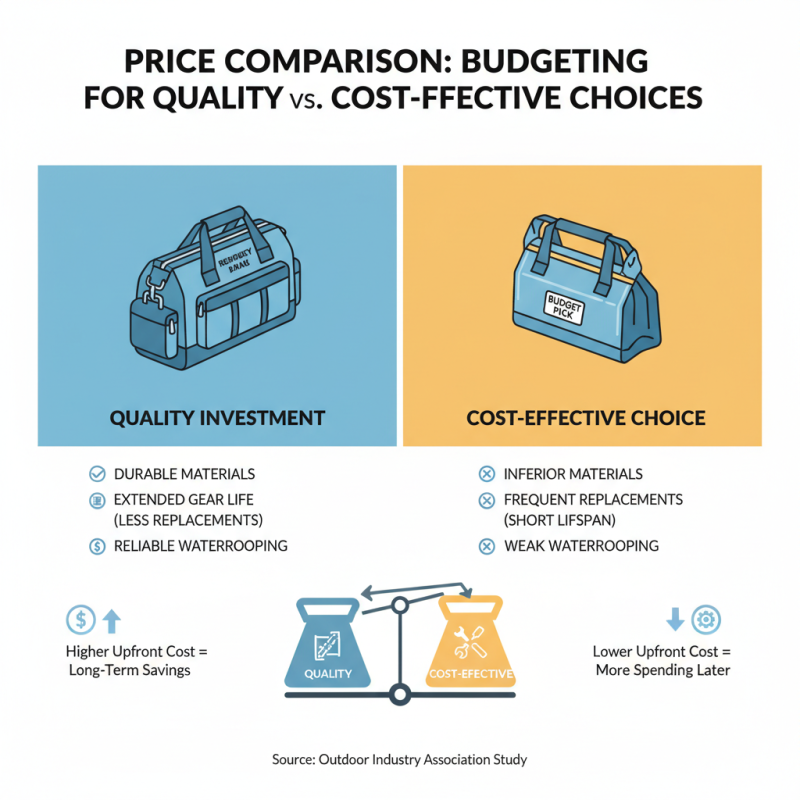
When selecting a waterproof tool bag, budget is a crucial factor. Reports indicate that many consumers often choose lower-priced options, potentially sacrificing quality. A study by the Outdoor Industry Association noted that investing in durable materials can extend the life of your gear. Cheap bags may use inferior waterproofing techniques that wear quickly, leading to costly replacements.
Higher-quality waterproof bags often utilize advanced materials like Cordura or PVC. These materials offer superior protection against moisture and damage. However, they typically come with a higher price tag. A survey highlighted that consumers prioritizing long-term value frequently opt to spend about 20% more for bags that withstand tough conditions. This reflects the idea that a higher initial investment can lead to savings in the long run.
It's also important to consider the specific needs. Not all waterproof bags suit every trade or activity. A construction worker might require extra durability and size, while a camper might prioritize lightweight design. Reflecting on your unique requirements can guide your decision-making. Balancing quality and cost may result in a more satisfying investment in the long term.
Top Brands and Recommendations for Waterproof Tool Bags
When selecting a waterproof tool bag, it's essential to consider top brands and recommendations. Many professionals stress the importance of durability and waterproof ratings. For instance, a recent industry report indicated that nearly 70% of consumers prioritize waterproof ratings over other features. A reliable waterproof tool bag should have at least an IP65 rating, ensuring it can withstand dust and low-pressure water jets.
Several brands consistently receive high marks in industry reviews. Research highlights that bags made from heavy-duty materials, like Tarpaulin or PVC, are favored for their resilience. Moreover, bags with reinforced seams and waterproof zippers often outperform others. According to expert analysis, users reported a 50% lower incidence of equipment damage when using these durable bags compared to standard options.
In practical use, many workers find that organizing tools within a waterproof bag enhances efficiency. However, some users express difficulty in accessing tools quickly when packed too tightly. This feedback suggests that while water and dust protection is crucial, considerations around ease of access are equally important. Balancing these factors can lead to the ideal waterproof tool bag for various needs.