How to Choose the Best Heavy Duty Tool Bag for Your Needs in 2025
Choosing the right Heavy Duty Tool Bag is essential for both professionals and DIY enthusiasts who require durability and functionality in their equipment. As we step into 2025, the wide array of options available can make the selection process overwhelming. A Heavy Duty Tool Bag serves not only as a storage solution but also as a way to keep your tools organized and easily accessible. Understanding your specific needs will guide you in making an informed decision.
In this ever-evolving market, innovation plays a crucial role in enhancing the utility and performance of Heavy Duty Tool Bags. Features such as reinforced stitching, water resistance, and ergonomic designs have become increasingly important, catering to the demands of users who rely on these bags for everyday tasks. By assessing factors such as size, material, and compartmentalization, you will be better equipped to choose a Heavy Duty Tool Bag that fits both your tools and your work style.
In the following sections, we will delve deeper into the qualities to look for when selecting a Heavy Duty Tool Bag, ensuring you find the perfect match that meets your needs and endures the rigors of your projects in the years to come.
Understanding Heavy Duty Tool Bags: Key Features to Consider
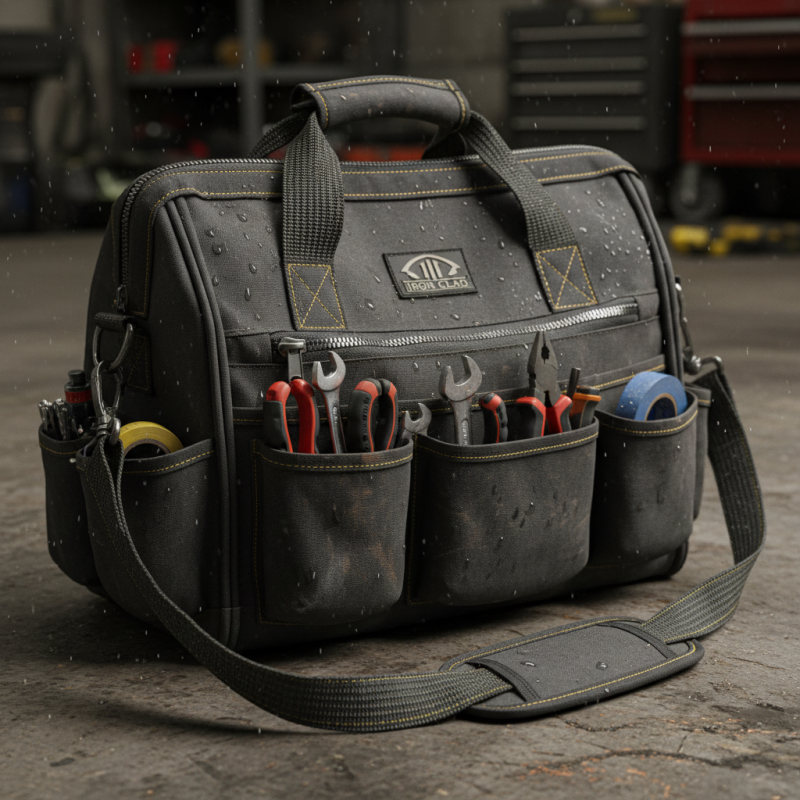
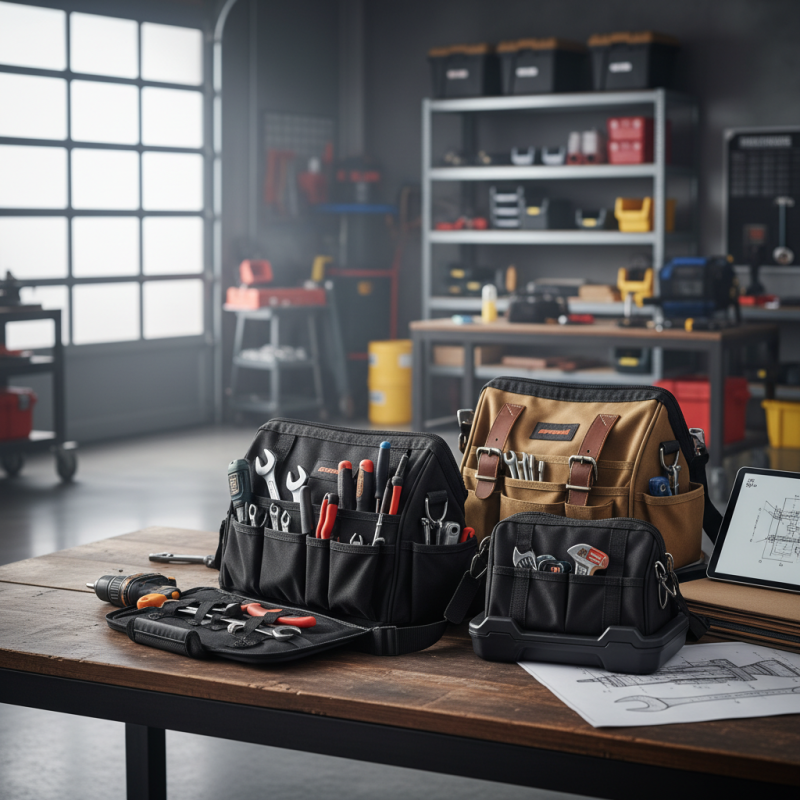
When selecting a heavy-duty tool bag, understanding the key features is crucial to making an informed decision. First and foremost, durability is a primary consideration. Look for bags made from high-quality materials such as reinforced fabric or heavy-duty polyester, which can withstand wear and tear from regular use. Additionally, water-resistant or waterproof options provide protection for tools against moisture, making them ideal for various work environments.
Another important feature to consider is organization. A good heavy-duty tool bag should have multiple compartments and pockets to keep tools organized and easily accessible. Consider bags with adjustable dividers that allow you to customize the interior space according to your needs. Furthermore, features such as padded shoulder straps and sturdy handles enhance portability and comfort, especially when transporting heavy loads. Evaluating these aspects will ensure that you choose a tool bag that not only meets your specific requirements but also withstands the demands of rugged use.
How to Choose the Best Heavy Duty Tool Bag for Your Needs in 2025
| Feature |
Description |
Importance Level |
| Material Quality |
Durable fabrics like ballistic nylon or heavy-duty canvas for tear resistance. |
High |
| Storage Capacity |
The ability to accommodate various tools and gear without overcrowding. |
High |
| Weight |
The total weight of the bag should be manageable, considering the tools it carries. |
Medium |
| Pocket Organization |
Multiple pockets for easy access and organization of smaller tools and accessories. |
High |
| Weather Resistance |
The ability to withstand rain and moisture to protect tools from rust and damage. |
High |
| Portability |
Features like padded handles, adjustable straps, or wheels for easy transport. |
Medium |
Assessing Your Specific Needs: Crafting the Perfect Tool Bag Profile
When assessing your specific needs for a heavy-duty tool bag, the first step is to consider the types of tools you regularly use. Whether you are a professional tradesperson, a DIY enthusiast, or someone who enjoys tackling home improvement projects, understanding the size, weight, and quantity of your tools is essential. A bag that accommodates large power tools will differ significantly from one designed for smaller hand tools.
Take inventory of your toolkit, and envision how you prefer to organize your tools—whether by size, function, or frequency of use. This initial evaluation will help tailor a bag that enhances accessibility and efficiency during your projects.
Next, think about the environment in which you'll be using the tool bag. Heavy-duty options are designed to withstand tough conditions, but not all are equal in terms of weather resistance, durability, and overall construction. If your work involves exposure to the elements, look for materials that offer water resistance and added protection from abrasions. Additionally, consider the bag's portability features, such as padded handles, adjustable shoulder straps, and weight distribution, which can significantly impact your comfort while working.
By carefully crafting this tool bag profile based on your unique requirements, you can ensure that your investment serves you well, making each task smoother and more productive.
Material Matters: Choosing Durable Fabrics for Long-Lasting Use
When selecting a heavy-duty tool bag, the material used in its construction is of paramount importance. The fabric of the bag should not only withstand the rigors of daily use but also protect the tools stored within from various environmental factors. Heavy-duty nylon, polyester, and canvas are popular choices due to their durability and resistance to wear and tear. Nylon, for instance, is known for its exceptional tensile strength and water resistance, making it an ideal option for those who work in varied weather conditions. Similarly, polyester offers excellent abrasion resistance, ensuring that your tool bag maintains its integrity over time.
In addition to fabric choice, attention must be paid to the bag's stitching and reinforcement. Double-stitched seams and reinforced corners can significantly enhance the bag's lifespan, preventing premature wear at high-stress points. Furthermore, features like water-resistant coatings or additional protective layers can provide added security against moisture and dirt, ensuring that your tools remain in optimal condition. By prioritizing these material considerations, you can invest in a tool bag that not only meets your needs today but also stands the test of time for years to come.
Capacity and Organization: Finding the Right Size and Layout
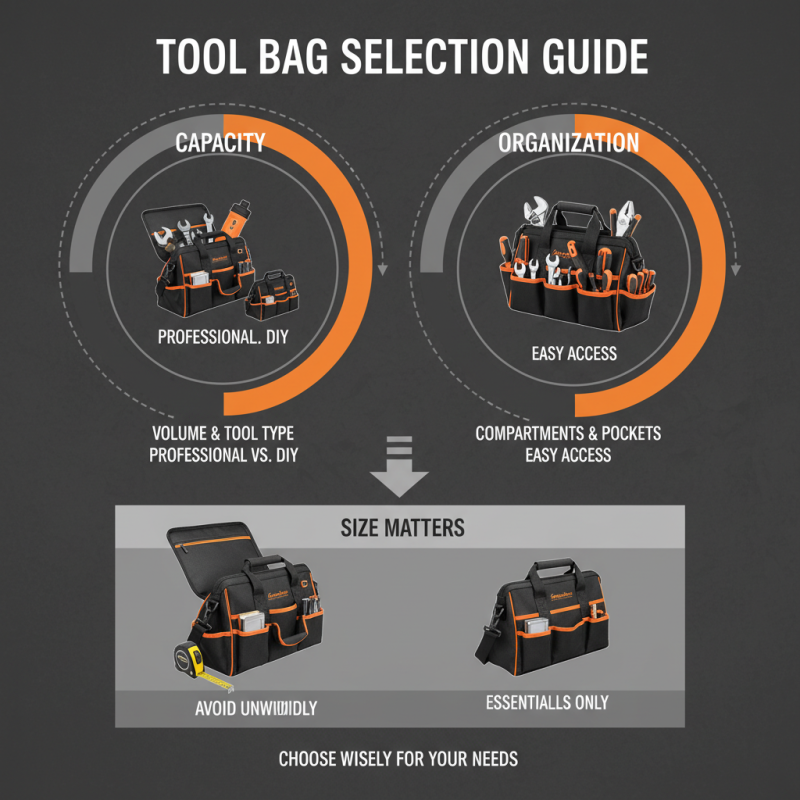
When choosing a heavy-duty tool bag, capacity and organization are critical factors to consider to ensure it meets your requirements. The size of the bag should match the volume and type of tools you typically carry. A larger capacity bag might be suitable for professionals with numerous tools, while a compact design can benefit DIY enthusiasts who need just the essentials. It's essential to assess the dimensions of the bag in relation to your tools, ensuring there's enough space without making it unwieldy or difficult to transport.
Apart from size, the internal layout plays a significant role in keeping your tools organized and easily accessible. Bags with multiple pockets, compartments, and dividers can help you categorize your tools according to size or purpose, preventing damage and confusion. Consider bags with specialized sections for items like screwdrivers, wrenches, and power tools, which can save time during work sessions by allowing quick identification. Additionally, external pockets or loops can be ideal for storing items that need to be readily available while working, enhancing efficiency on the job site.
Comparing Brands: Evaluating Quality and User Reviews for 2025
When selecting a heavy-duty tool bag for your needs in 2025, evaluating brand quality and user reviews is crucial. Various manufacturers offer a range of options, each promising durability and functionality. To make an informed decision, it is essential to compare these brands based on the materials used in their construction, the design features they provide, and the warranties they offer. A tool bag made from robust, water-resistant fabrics will likely withstand heavy use and environmental exposure better than cheaper alternatives.
User reviews serve as a valuable resource when assessing the real-world performance of tool bags. Exploring firsthand experiences can reveal insights into how well a product holds up over time, how easy it is to organize tools, and its overall practicality in daily operations. Pay attention to patterns in feedback, such as consistent praises or complaints about specific features like pocket arrangement, zipper durability, or comfort while carrying. By synthesizing these evaluations, you can identify the tool bag that aligns with your specific requirements, ensuring you invest in a reliable and efficient solution for your tool storage needs.
Comparing User Ratings for Heavy Duty Tool Bags in 2025
This chart compares user ratings for various heavy-duty tool bags in 2025 based on collected reviews. Each bar represents the average user rating on a scale from 1 to 5.