Best Medical Equipment Bags for Efficient Healthcare Solutions?
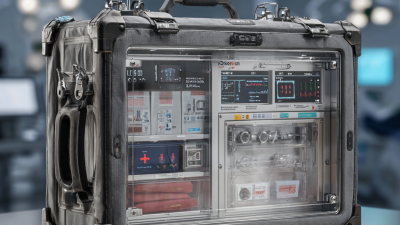
In the fast-paced world of healthcare, a high-quality Medical Equipment Bag is essential. According to recent market reports, the global healthcare logistics market is projected to reach $236 billion by 2027. This growth underscores the need for efficient transport solutions. Medical professionals rely on specialized bags to ensure that vital equipment is organized and accessible.
Choosing the right Medical Equipment Bag can directly impact operational efficiency. These bags vary in size, material, and design. For example, durable, waterproof materials protect sensitive equipment. A well-organized bag enhances response times in critical situations. However, not all bags meet the rigorous needs of healthcare providers.
Many practitioners report frustrations with lower-quality bags that fail under pressure. Inconsistent straps or weak zippers can lead to operational delays. This reflects the importance of thorough evaluation when selecting a Medical Equipment Bag. Ultimately, investing in reliable solutions is crucial for delivering quality patient care.
Best Medical Equipment Bags: Key Features and Benefits for Healthcare
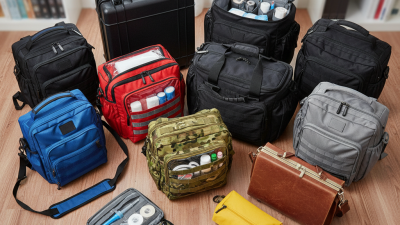
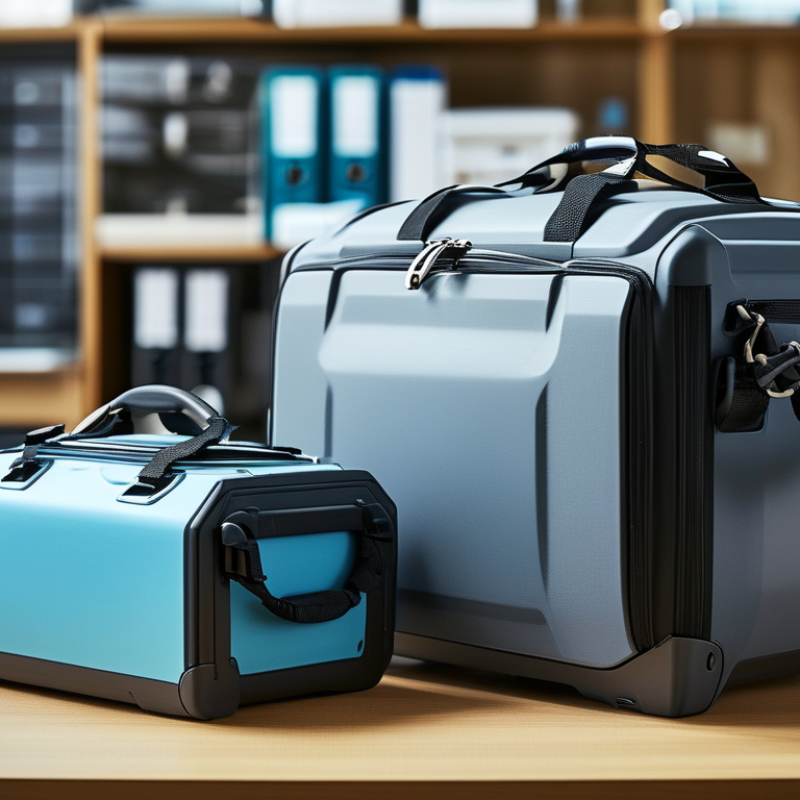
When choosing medical equipment bags, understanding key features can enhance healthcare efficiency. A well-designed medical bag should prioritize organization. Multiple compartments allow easy access to supplies. This design reduces search time in emergencies. Durable materials are also crucial. They must withstand daily use while offering protection for sensitive equipment.
Tips: Consider bags with padded interiors. This provides extra protection for delicate items. Look for waterproof materials. They ensure that equipment stays dry in various conditions. Lightweight options can minimize fatigue during transportation.
Another important aspect is visibility. Reflective strips or bright colors make it easier to spot bags on busy hospital floors. Additionally, look for ergonomic handles and adjustable straps. Comfort is essential, especially during long shifts. However, not every bag may offer these features perfectly. Evaluate your needs and try different bags to find the best fit.
Best Medical Equipment Bags for Efficient Healthcare Solutions
| Bag Type |
Material |
Capacity |
Features |
Weight |
Price Range |
| Emergency Trauma Bag |
Durable Nylon |
30 L |
Multiple compartments, Waterproof |
1.5 kg |
$50 - $100 |
| Surgical Instrument Bag |
Medical Grade Fabric |
20 L |
Sterile pockets, Easy to clean |
1 kg |
$30 - $70 |
| Portable IV Therapy Bag |
Water-Resistant Polyester |
25 L |
Padded straps, Insulated pockets |
1.2 kg |
$40 - $80 |
| Diagnostic Equipment Bag |
Sturdy Canvas |
15 L |
Modular design, Quick access |
0.8 kg |
$25 - $60 |
| Sterilization Transport Bag |
Plastic Coated Fabric |
35 L |
Breathable material, Secure closure |
1.3 kg |
$45 - $95 |
Understanding Different Types of Medical Equipment Bags in the Market
When choosing medical equipment bags, understanding your needs is crucial. Different types serve various purposes. Consider the size, material, and organization features. For instance, trauma bags come with compartments for emergency supplies. They are compact yet spacious. Medical staff can quickly access critical gear.
In contrast, transport bags focus on mobility. They often include wheels and ergonomic handles. These bags are ideal for professionals on the go. Their durable design withstands daily use. However, frequent transport can lead to wear and tear. Regular checks and maintenance can extend their lifespan.
Also, consider the type of equipment you carry. Some bags are designed for specific tools like defibrillators or IV supplies. These tailored options offer better organization. However, they may not be versatile for different situations. Finding a balance between customization and scalability is essential. Always reflect on your current and future needs.
Best Medical Equipment Bags for Efficient Healthcare Solutions
Critical Materials Used in Manufacturing Medical Gear Bags and Their Quality
In the healthcare sector, the quality of medical equipment bags is essential for efficient operations. These bags are often made from critical materials such as nylon, polyester, and PVC. Each material has distinct advantages but also presents challenges. Nylon is lightweight and durable, yet it can be prone to wear over time. Polyester offers water resistance but might lack the same tear strength. PVC bags are often cheaper but may not be biodegradable, raising concerns about environmental sustainability.
Data from the Healthcare Equipment Manufacturers Association indicates that over 60% of hospitals see equipment mishaps due to inadequate storage solutions. This highlights the need for well-designed bags. Investing in high-quality materials can mitigate risks associated with misplaced tools or contamination.
Tip: Always assess the bag’s fabric thickness and stitching quality to ensure longevity. Opt for features like reinforced seams for added durability.
Choosing the right medical bag is crucial. Consider aspects such as weight, size, and ease of cleaning. An inefficient bag can lead to increased operational costs.
Tip: Regularly review bag maintenance protocols to ensure they meet safety standards. Outdated or worn bags may not provide the protection required in critical situations.
Industry Standards and Compliance for Medical Equipment Transport Bags
When choosing medical equipment transport bags, industry standards play a crucial role. Compliance with health regulations ensures patient safety and promotes best practices. These bags must meet specific guidelines set by healthcare authorities. Each bag should provide protection for sensitive equipment during transit. Durability and safety are non-negotiable aspects for healthcare providers.
Materials used in manufacturing these bags need careful consideration. They should be easy to clean and resistant to wear and tear. Zipper quality is often overlooked but essential. A faulty zipper can compromise the contents, affecting patient care. Regular inspection of bags is recommended. This practice can help identify wear before it leads to failures.
Healthcare professionals also benefit from training on proper usage. Understanding the limitations of each bag can prevent mishaps. While some bags are waterproof, they might not be puncture-proof. Ongoing education about standards is vital. It can improve compliance, but gaps may still exist in real-world applications. Connecting with experienced peers may help address these issues.
Market Trends: Growth and Innovations in Medical Equipment Bag Solutions
The medical equipment bag market is evolving rapidly, driven by innovations and heightened demand. According to a recent market report, the global medical bags market is projected to grow at a compound annual growth rate (CAGR) of 7.4% from 2023 to 2030. The shift towards advanced materials and designs enhances both functionality and user experience.
Innovation is key in this sector. Companies are increasingly incorporating features like antimicrobial coatings, ergonomic designs, and customizable compartments. These advancements address the challenges of storage, mobility, and infection control in healthcare settings. The rise of telehealth has further increased the need for portable medical equipment bags that can support remote patient monitoring.
Tip: When selecting a medical bag, consider the specific needs of your practice. Look for features that simplify organization and transport.
There are areas that still require improvement. Some bags fail to meet certain safety standards, impacting medical professionals' efficiency. This highlights the need for thorough testing and adherence to regulations. Even as trends push for space optimization and lightweight materials, durability remains a vital consideration.
Tip: Regularly review the performance and condition of your medical bags. Ensuring they meet your evolving needs is crucial for effective healthcare delivery.